Nyanza Serotine (Pseudoromicia nyanza): A Comprehensive Overview
Introduction
The Nyanza Serotine, scientifically known as Pseudoromicia nyanza, is a fascinating bat species belonging to the family Vespertilionidae. This bat is known for its discreet nature and elusive behavior, making it a subject of interest among mammalogists and wildlife enthusiasts. Despite its inconspicuous presence, the Nyanza Serotine plays a crucial role in its ecosystem, contributing to insect population control and pollination.
Physical Description
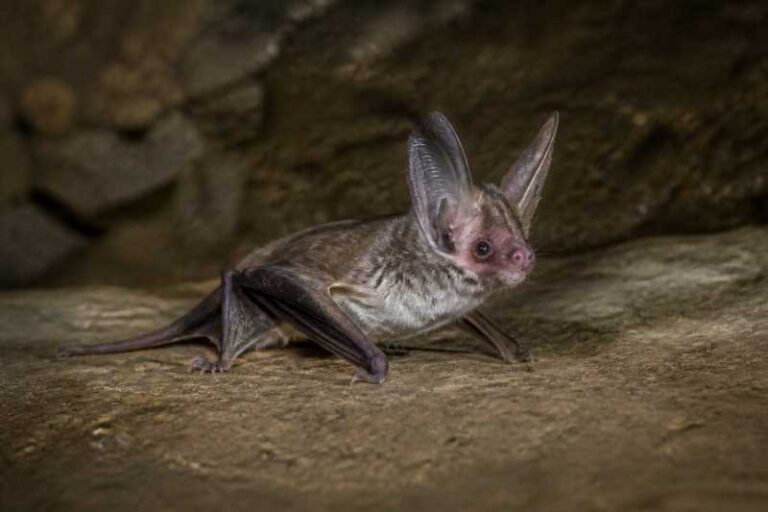
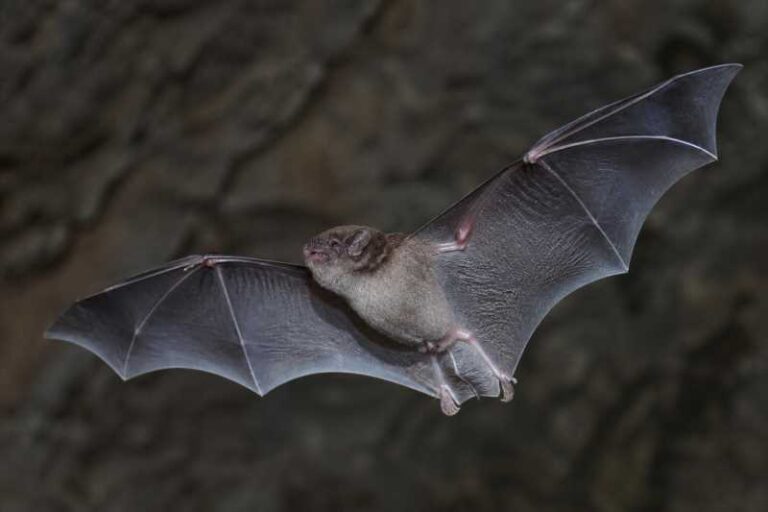
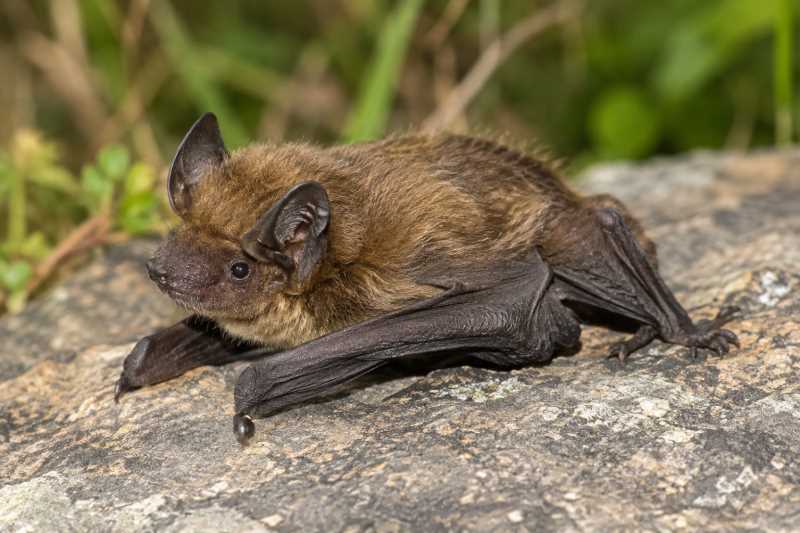
The Nyanza Serotine is a small bat, characterized by its distinctive fur and wing structure. Its body length typically ranges from 4 to 6 centimeters, with a wingspan reaching up to 25 centimeters. The fur is usually a dark brown or black, providing excellent camouflage against the night sky. Its ears are relatively short, rounded, and covered with fine hair, while the wings are long and narrow, adapted for agile flight.
The bat’s muzzle is blunt, and it possesses sharp teeth, which are crucial for its insectivorous diet. The Nyanza Serotine’s tail is relatively short, extending slightly beyond the edge of the uropatagium (the membrane that stretches between the legs and tail), a feature that aids in maneuverability during flight.
Range and Habitat
The Nyanza Serotine is predominantly found in sub-Saharan Africa, with its range extending across countries like Kenya, Uganda, Tanzania, and parts of the Democratic Republic of the Congo. This bat species is typically associated with tropical and subtropical regions, where it prefers habitats such as savannas, woodlands, and forest edges.
Although it is adaptable to various environments, the Nyanza Serotine generally favors areas with abundant insect populations, which are crucial for its survival. It often roosts in hollow trees, caves, and sometimes in buildings, demonstrating a degree of synanthropy (association with human settlements).
Behavior and Diet
The Nyanza Serotine is nocturnal, spending its days roosting in secluded locations and emerging at dusk to forage. Its flight is agile and swift, allowing it to efficiently catch airborne insects, which constitute the majority of its diet. This bat predominantly feeds on moths, beetles, and other small flying insects, employing echolocation to detect and capture its prey in the dark.
Socially, the Nyanza Serotine is relatively solitary, although it may be found in small groups during the breeding season. Communication among individuals is facilitated through a series of vocalizations and echolocation calls, which also play a role in navigation and hunting.
Identification Tips (Field Recognition Cues)
Field identification of the Nyanza Serotine can be challenging due to its elusive nature and the similarity of its appearance to other bat species. However, there are several cues that can aid in its identification:
- Size and Shape: Look for a small bat with a body length of 4–6 cm and a wingspan up to 25 cm.
- Coloration: Note the dark brown or black fur, which is often a distinguishing feature.
- Flight Pattern: Observe its agile and erratic flight at dusk, typical of insectivorous bats.
- Roosting Sites: Check for roosting in hollow trees or man-made structures.
Conservation Status (with Threats and Protections)
Currently, the Nyanza Serotine is classified as Least Concern by the International Union for Conservation of Nature (IUCN). However, like many bat species, it faces several threats that could impact its population numbers in the future.
Threats
- Habitat Loss: Deforestation and land conversion for agriculture and urban development are reducing available roosting and foraging habitats.
- Pesticide Use: The widespread use of pesticides can diminish insect populations, reducing the food supply for the Nyanza Serotine.
- Climate Change: Altered weather patterns and temperature changes can impact the distribution and abundance of prey.
Protections
Conservation efforts for the Nyanza Serotine include habitat protection and management strategies aimed at preserving forested areas and promoting sustainable land-use practices. Additionally, raising awareness about the ecological importance of bats can help foster community-based conservation initiatives.
Frequently Asked Questions
What does the Nyanza Serotine eat?
The Nyanza Serotine primarily feeds on flying insects, including moths and beetles, which it catches using echolocation.
Where can I find the Nyanza Serotine?
This bat species is found in sub-Saharan Africa, favoring habitats like savannas, woodlands, and forest edges.
How can I identify a Nyanza Serotine in the wild?
Look for a small bat with dark brown or black fur, agile flight patterns, and typical roosting sites such as hollow trees and buildings.
What threats does the Nyanza Serotine face?
The main threats include habitat loss, pesticide use, and climate change, all of which can impact its survival.
How does the Nyanza Serotine contribute to its ecosystem?
As an insectivorous bat, it helps control insect populations and contributes to pollination, maintaining ecological balance.
Related posts