Introduction
Fischer’s Little Fruit Bat (Rhinophylla fischerae) is a fascinating species belonging to the family Phyllostomidae, commonly known as leaf-nosed bats. This small fruit bat is native to South America and plays a crucial role in the ecosystem as a pollinator and seed disperser. Despite its importance, Fischer’s Little Fruit Bat remains relatively understudied compared to other bat species. This article aims to shed light on various aspects of its biology, ecology, and conservation, providing a comprehensive understanding of this unique mammal.
Physical Description
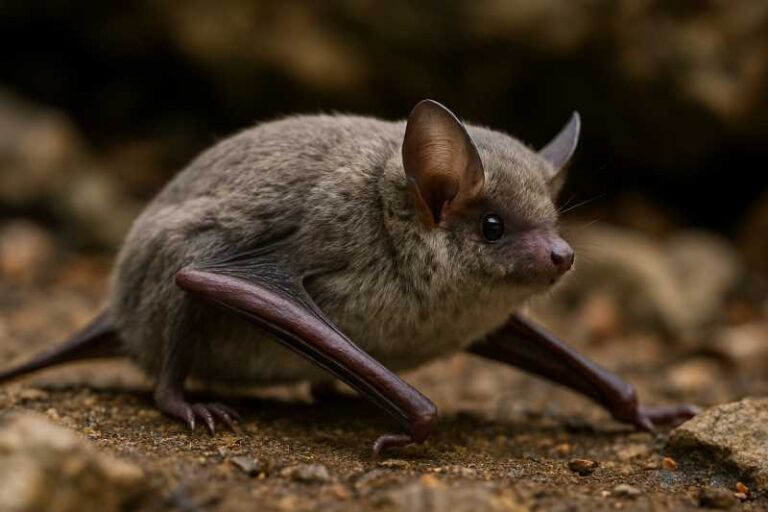
Fischer’s Little Fruit Bat is small in size, typically weighing between 10 to 15 grams, with a wingspan ranging from 25 to 30 centimeters. Its fur is generally a rich brown or grayish-brown color, which provides excellent camouflage among the foliage. The bat’s most distinctive feature is its leaf-shaped nose, a characteristic trait of the Phyllostomidae family. This nasal structure aids in echolocation, allowing the bat to navigate and forage efficiently in dense forest environments. Additionally, these bats have large, rounded ears and sharp, pointed teeth, adapted for their frugivorous diet.
Range and Habitat
Rhinophylla fischerae is predominantly found in the tropical rainforests of South America, including countries like Brazil, Peru, Ecuador, and Colombia. They inhabit lowland forests and are often associated with undisturbed forested areas rich in fruit-bearing trees. These bats prefer humid environments and are typically found at elevations ranging from sea level to 1,500 meters. Their presence in such diverse habitats underscores their adaptability and ecological importance in tropical ecosystems.
Behavior and Diet
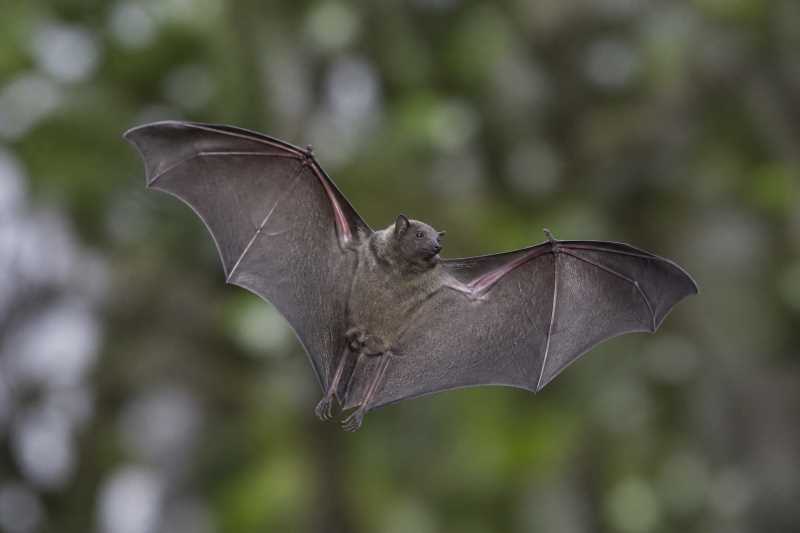
Fischer’s Little Fruit Bat is primarily nocturnal, emerging at dusk to forage for food. Their diet consists mainly of fruits, nectar, and occasionally insects, making them important agents of seed dispersal and pollination. They exhibit a unique feeding behavior known as ‘hover-gleaning,’ where they hover near fruiting trees and pluck fruits mid-flight. This behavior not only aids in their survival but also contributes to forest regeneration by dispersing seeds over wide areas.
Socially, these bats are known to form small colonies, often roosting in tree cavities, foliage, or abandoned buildings during the day. Their roosting behavior provides them with protection from predators and harsh weather conditions. Communication within colonies is facilitated through vocalizations and scent marking, essential for maintaining social bonds and territory establishment.
Identification Tips (field recognition cues)
Identifying Fischer’s Little Fruit Bat in the field can be challenging due to its small size and elusive nature. However, certain features can aid in recognition:
- Noseleaf: Look for the distinctive leaf-shaped nose, a hallmark of the Phyllostomidae family.
- Ears: Their large, rounded ears are prominent and aid in echolocation.
- Fur Color: Note the rich brown or grayish-brown fur that blends with forest vegetation.
- Flight Pattern: Observe their hovering flight behavior near fruiting trees during dusk.
Conservation Status (with threats and protections)
Currently, Fischer’s Little Fruit Bat is classified as "Least Concern" by the International Union for Conservation of Nature (IUCN). However, this status does not mean they are free from threats. Habitat loss due to deforestation, agricultural expansion, and urbanization poses significant risks to their populations. Additionally, climate change and pesticide use can further exacerbate these threats by altering their habitats and food availability.
Conservation efforts are essential to safeguard these bats and their habitats. Protecting large tracts of tropical rainforests, enforcing anti-deforestation laws, and promoting sustainable agricultural practices are crucial steps. Furthermore, increasing public awareness about the ecological roles of bats can foster community-driven conservation initiatives.
Frequently Asked Questions
1. What is the primary diet of Fischer’s Little Fruit Bat?
Fischer’s Little Fruit Bat primarily feeds on fruits, nectar, and occasionally insects. Their frugivorous diet makes them important seed dispersers in tropical ecosystems.
2. Where can Fischer’s Little Fruit Bat be found?
These bats are found in the tropical rainforests of South America, including Brazil, Peru, Ecuador, and Colombia, typically at elevations up to 1,500 meters.
3. How does Fischer’s Little Fruit Bat contribute to the ecosystem?
As a pollinator and seed disperser, Fischer’s Little Fruit Bat plays a critical role in forest regeneration and biodiversity maintenance. They help in spreading seeds and pollinating flowers, which supports plant growth and diversity.
4. What are the main threats to Fischer’s Little Fruit Bat?
The main threats include habitat loss due to deforestation, climate change, and pesticide use, which can reduce food availability and degrade their natural habitats.
5. How can we help in the conservation of Fischer’s Little Fruit Bat?
Supporting conservation efforts, advocating for sustainable land-use practices, and raising awareness about the ecological importance of bats can help protect Fischer’s Little Fruit Bat and their habitats.
Related posts