Introduction
The Caucasian squirrel, scientifically known as Sciurus anomalus, is a fascinating rodent species native to the subtropical and temperate forests of the Middle East and parts of Eastern Europe. Often overshadowed by its more famous relatives like the Eastern Grey Squirrel, the Caucasian squirrel boasts its own unique set of characteristics and ecological importance. This article will explore the physical attributes, habitat, behavior, and conservation status of the Caucasian squirrel, offering a comprehensive overview for enthusiasts and researchers alike.
Physical Description
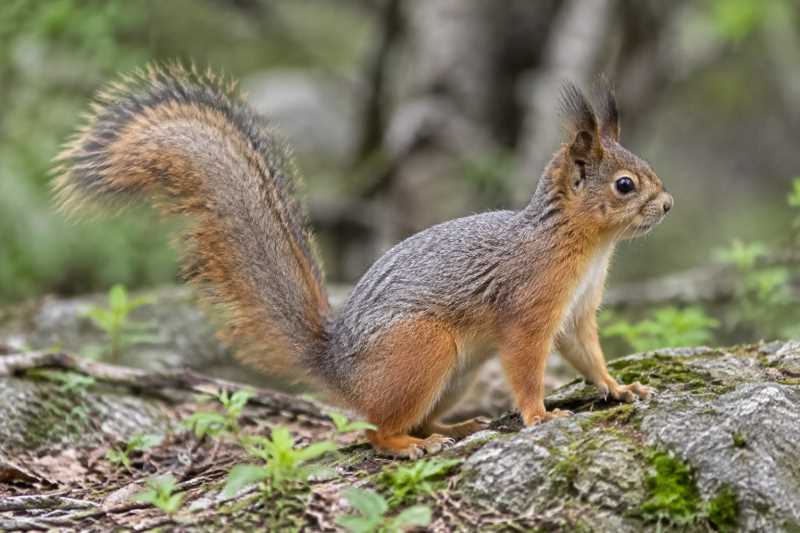
The Caucasian squirrel is a medium-sized tree squirrel distinguished by its robust physique and bushy tail. Adult individuals typically measure between 20 to 25 centimeters in body length, with tails adding an additional 15 to 20 centimeters. The weight can vary from 250 to 400 grams, reflecting their adaptable diet and habitat conditions.
One of the most striking features of the Caucasian squirrel is its fur, which exhibits a beautiful range of colors from reddish-brown to dark gray. The ventral side, or belly, is usually lighter, often white or pale gray. This color variation helps the squirrel blend into its forested environment, providing camouflage from predators.
Their large, expressive eyes are adapted for acute vision, an essential trait for navigating the arboreal world they inhabit. Additionally, their strong hind limbs and sharp claws are perfectly suited for climbing and foraging among tree branches.
Range and Habitat
The natural range of the Caucasian squirrel extends across the Middle East, including countries like Turkey, Iran, Iraq, and the eastern Mediterranean regions. They are also found in parts of the Caucasus, which lends the species its common name.
Caucasian squirrels primarily inhabit deciduous and mixed forests, favoring areas with dense tree cover and abundant food resources. They are often found in oak, pine, and beech forests, where they can easily forage for nuts and seeds. These squirrels are also adaptable to a variety of altitudes, ranging from lowland forests to mountainous regions, provided that their habitat offers ample food and nesting opportunities.
Behavior and Diet
Caucasian squirrels are diurnal creatures, meaning they are active during the day and rest at night. Their behavior is characterized by agility and curiosity, often seen leaping from branch to branch in search of food.
Their diet is varied and largely dependent on what is seasonally available. It predominantly consists of seeds, nuts, acorns, and fruits, but they also consume fungi, insects, and occasionally bird eggs. This diverse diet not only sustains them through different seasons but also plays a crucial role in forest ecology, as they help in seed dispersal and the propagation of plant species.
Socially, Caucasian squirrels are generally solitary creatures. However, during the breeding season, which occurs twice a year, males and females come together to mate. Females typically give birth to litters of 2-4 young after a gestation period of about 38 days.
Identification Tips (Field Recognition Cues)
Identifying the Caucasian squirrel in the field requires attention to several key features:
- Fur Coloration: Look for the distinct reddish-brown to dark gray fur with a lighter underbelly.
- Tail: Notice the bushy, long tail that is often held arched over the back.
- Ears: These squirrels have small, rounded ears without the tufts seen in some other species.
- Behavior: Observe their agile movements and typical foraging behavior among trees.
When trying to spot these squirrels, early morning or late afternoon is ideal, as they are most active during these times.
Conservation Status (with Threats and Protections)
The Caucasian squirrel is currently listed as Least Concern by the IUCN Red List, indicating that it is not at immediate risk of extinction. However, like many wildlife species, they face threats from habitat destruction, primarily due to logging, agricultural expansion, and urban development.
Loss of forest habitat can lead to reduced food availability and nesting sites, impacting their population numbers. Moreover, increased human activity can lead to direct mortality through roadkills and hunting.
Conservation efforts focus on protecting their natural habitats through the establishment of protected areas and promoting sustainable forestry practices. Some regions have enacted laws to limit hunting and preserve forested areas that are critical for their survival.
Frequently Asked Questions
- What is the natural habitat of the Caucasian squirrel?
The Caucasian squirrel thrives in deciduous and mixed forests of the Middle East and Eastern Europe, particularly in areas with dense tree cover and abundant food resources.
- Are Caucasian squirrels endangered?
Currently, the Caucasian squirrel is classified as Least Concern by the IUCN, though habitat destruction poses a significant threat to its population.
- What do Caucasian squirrels eat?
Their diet includes seeds, nuts, acorns, fruits, fungi, and insects, with occasional consumption of bird eggs, depending on the availability of resources.
- How can I identify a Caucasian squirrel in the wild?
Look for a medium-sized squirrel with reddish-brown to dark gray fur, a bushy tail, and agile movements in forested areas.
- When are Caucasian squirrels most active?
These squirrels are diurnal and are most active during the early morning and late afternoon, which are the best times for observation.
Related posts