Introduction
The Aru Flying Fox, scientifically known as Pteropus aruensis, is a remarkable species of bat that belongs to the Pteropodidae family. These fascinating creatures are native to the Aru Islands of Indonesia, known for their unique ecological niches and biodiversity. As a member of the megabat family, the Aru Flying Fox plays a critical role in seed dispersal and pollination, contributing significantly to the health of its ecosystem.
Physical Description
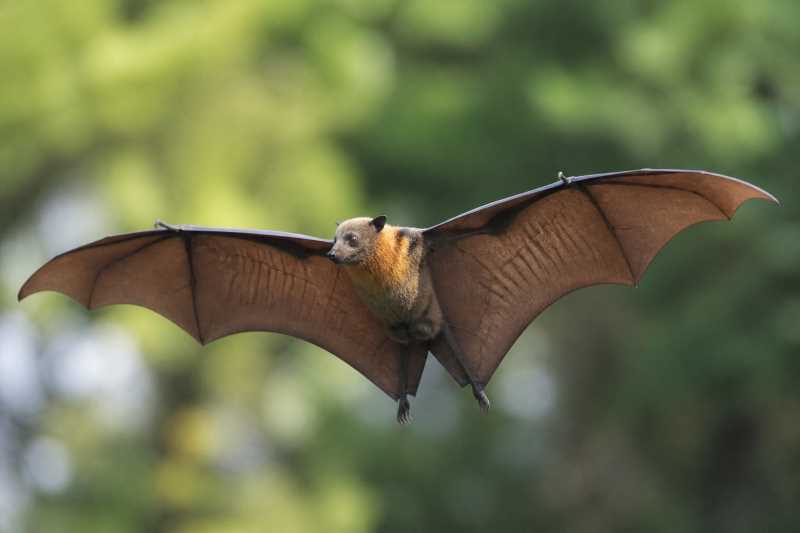
The Aru Flying Fox is a medium-sized bat with a wingspan ranging from 1.2 to 1.5 meters, making it an impressive sight in the wild. Its body length typically measures between 20 to 25 centimeters. This species is known for its striking appearance, characterized by a fox-like face, which is a common trait among flying foxes. The fur of the Aru Flying Fox is dense and varies in color from dark brown to reddish-brown, with a paler underside. The head is often a lighter shade, adding to the distinctive facial features.
One of the most notable physical features of the Aru Flying Fox is its large eyes, which provide excellent vision adapted to their nocturnal lifestyle. Unlike microbats, megabats like the Aru Flying Fox rely on their keen eyesight rather than echolocation to navigate and find food.
Range and Habitat
The Aru Flying Fox is endemic to the Aru Islands in Indonesia. This archipelago is part of the Maluku Province, located in the eastern part of the country. The islands are characterized by tropical rainforests, mangroves, and coastal ecosystems, which provide ideal habitats for these bats.
These flying foxes prefer habitats that offer ample fruiting trees, as their diet primarily consists of fruit and nectar. They are commonly found roosting in large colonies in trees, often near bodies of water. The availability of fruiting trees and their proximity to water sources are critical factors that determine their roosting sites.
Behavior and Diet
Aru Flying Foxes are nocturnal creatures, emerging in the evening to forage for food. They are frugivorous, with a diet primarily consisting of fruits such as figs, bananas, and mangos. Their feeding habits make them essential players in the ecosystem, as they help in the pollination of flowers and the dispersal of seeds, facilitating forest regeneration.
These bats exhibit a highly social behavior, often roosting in large colonies that can number in the thousands. Within these colonies, bats engage in grooming and social interactions, which are crucial for maintaining the health and cohesion of the group. During the day, they rest in trees, hanging upside down, and taking advantage of the shade and protection offered by the forest canopy.
Identification Tips (Field Recognition Cues)
Identifying the Aru Flying Fox in the wild can be an exciting challenge for wildlife enthusiasts. Here are some tips to help you recognize this species:
- Size and Wingspan: Look for a large bat with a wingspan of up to 1.5 meters.
- Facial Features: Note the fox-like face with large, expressive eyes.
- Fur Coloration: Observe the dense fur, which ranges from dark brown to reddish-brown, with a paler underside.
- Roosting Habits: During the day, they are often seen roosting in large colonies in trees.
- Flight Pattern: Watch for their slow, deliberate flight as they glide between trees in search of food.
Conservation Status (with Threats and Protections)
The Aru Flying Fox is currently listed as Near Threatened on the IUCN Red List. Several factors contribute to this status, primarily habitat loss due to deforestation for agriculture and infrastructure development. Additionally, hunting for bushmeat and traditional medicine poses a significant threat to their population.
Conservation efforts are underway to protect these bats, focusing on habitat preservation and legal protection from hunting. Environmental organizations and local governments are working together to establish protected areas and promote sustainable land-use practices that benefit both the bats and the local communities.
Frequently Asked Questions
Q1: What do Aru Flying Foxes eat?
A1: Aru Flying Foxes primarily eat fruits such as figs, bananas, and mangos. They also consume nectar, playing a crucial role in pollination and seed dispersal.
Q2: Where can I see Aru Flying Foxes in the wild?
A2: The Aru Flying Fox is endemic to the Aru Islands in Indonesia. They are often found roosting in large colonies in tropical rainforests and coastal areas.
Q3: How do Aru Flying Foxes contribute to the ecosystem?
A3: These bats are vital for their role in pollination and seed dispersal. By feeding on fruit and nectar, they help regenerate forests and maintain biodiversity.
Q4: Are Aru Flying Foxes endangered?
A4: They are currently listed as Near Threatened, facing threats from habitat loss and hunting. Conservation efforts are in place to protect their populations.
Q5: How can I help in the conservation of Aru Flying Foxes?
A5: You can support conservation efforts by donating to organizations focused on habitat preservation and raising awareness about the importance of bats in ecosystems.
Related posts