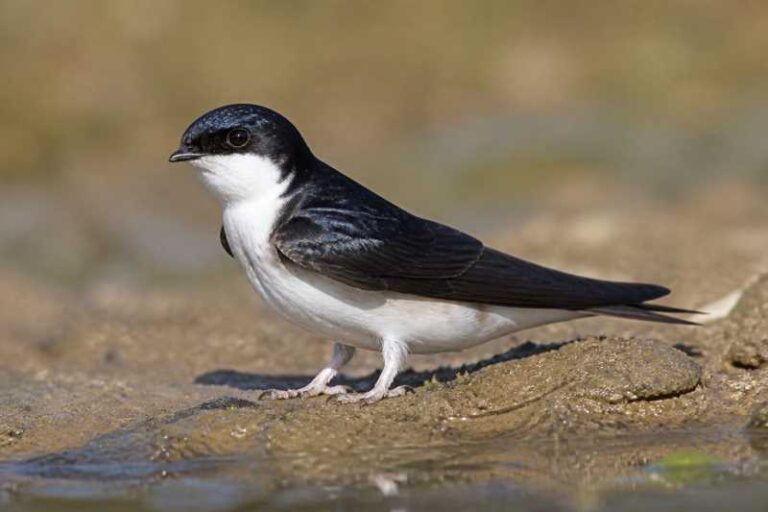
Discovering the Rufous-headed Tailorbird: A Jewel of the Montane Forests
Nature has its way of weaving the most exquisite tapestries, and among its many masterpieces is the Rufous-headed Tailorbird (Phyllergates heterolaemus). This diminutive bird, often overlooked due to its size and habitat, is a marvel of avian adaptation and beauty. Found predominantly in the montane forests of the Philippines, the Rufous-headed Tailorbird is a testament to the rich biodiversity of this archipelago. This article delves into the unique characteristics, habitat, and conservation status of this fascinating bird.
A Unique Member of the Cisticolidae Family
The Rufous-headed Tailorbird belongs to the family Cisticolidae, which is known for its small, insectivorous birds. While tailorbirds are generally distributed across tropical Asia, Phyllergates heterolaemus is endemic to the Philippines, specifically thriving in the montane forests of Mindanao. Its genus, Phyllergates, is characterized by small birds with distinctive sewing or tailoring skills used in nest construction, a behavior that is both intriguing and vital for their survival.
Physical Characteristics and Behavior
Measuring approximately 10 centimeters in length, the Rufous-headed Tailorbird is a small bird with a striking appearance. Its most distinguishing feature is its rufous (reddish-brown) head, which contrasts beautifully with its olive-green upperparts and lighter underparts. The bird has a fine, pointed bill, adapted for its insectivorous diet, which includes a variety of small insects and arachnids.
These birds are known for their active and restless behavior, often seen flitting through the undergrowth in search of food. Despite their small size, they are quite vocal, using a series of high-pitched calls to communicate with each other. This vocalization is especially useful during the breeding season when males engage in elaborate displays to attract females.
Habitat: The Montane Forests
The Rufous-headed Tailorbird is predominantly found in montane forests, which are characterized by cooler temperatures and high humidity. These forests are located at elevations of 1,000 meters and above, where the bird finds an abundance of food resources and nesting sites. The dense foliage provides ample cover from predators and harsh weather conditions, making it an ideal habitat for this species.
The bird’s preference for montane forests also highlights the importance of these ecosystems. Montane forests are vital for biodiversity, acting as reservoirs for numerous endemic species. Unfortunately, these areas are increasingly threatened by deforestation and habitat fragmentation, posing significant risks to the Rufous-headed Tailorbird and other endemic wildlife.
Breeding and Nesting
One of the most fascinating aspects of the Rufous-headed Tailorbird is its nesting behavior. As its name suggests, this tailorbird is adept at constructing intricate nests by stitching leaves together. Using its fine bill, the bird sews leaves with plant fibers or spider silk, creating a secure and concealed environment for its eggs and young.
The breeding season generally coincides with the rainy season when food is plentiful. Females typically lay two to three eggs, which are incubated for about two weeks. Both parents are involved in feeding the chicks, ensuring high survival rates of the offspring. This cooperative breeding strategy is crucial for the continuation of the species, especially given the environmental pressures they face.
Conservation Status and Challenges
The Rufous-headed Tailorbird is currently listed as Least Concern by the IUCN Red List. However, this status does not imply that the species is free from threats. Habitat destruction due to logging, agricultural expansion, and mining activities poses significant challenges to the bird’s survival. Moreover, climate change could alter the delicate balance of montane ecosystems, further endangering the species.
Conservation efforts are essential to protect the Rufous-headed Tailorbird and its habitat. Initiatives such as establishing protected areas, promoting sustainable land-use practices, and conducting further research on the species’ ecology and behavior are vital. Additionally, raising awareness about the importance of montane forests and their inhabitants can foster community engagement and support for conservation measures.
Conclusion
The Rufous-headed Tailorbird is a remarkable example of nature’s ingenuity. Its vibrant appearance, unique nesting behavior, and resilience in the face of environmental challenges make it a species worthy of admiration and protection. Ensuring its survival requires concerted efforts from conservationists, local communities, and policymakers alike. By safeguarding the montane forests and the biodiversity they harbor, we not only protect the Rufous-headed Tailorbird but also preserve the ecological balance that sustains countless other species.
For bird enthusiasts and conservationists, the Rufous-headed Tailorbird serves as a reminder of the wonders that thrive in the lesser-known corners of our planet. Its story is one of adaptation, beauty, and the urgent need for conservation action—a tale that continues to unfold in the verdant heights of the Philippines.
Related posts