Introduction
The Grand Roundleaf Bat, scientifically known as Hipposideros grandis, is a fascinating species of the Hipposideridae family. This species of bat is particularly notable for its unique echolocation abilities and distinct physical characteristics. Known for its roosting habits in caves and other secluded areas, the Grand Roundleaf Bat plays an essential role in maintaining the ecosystem balance by controlling insect populations. In this article, we delve into the various aspects of this intriguing mammal, including its physical description, habitat, behavior, and conservation status.
Physical Description
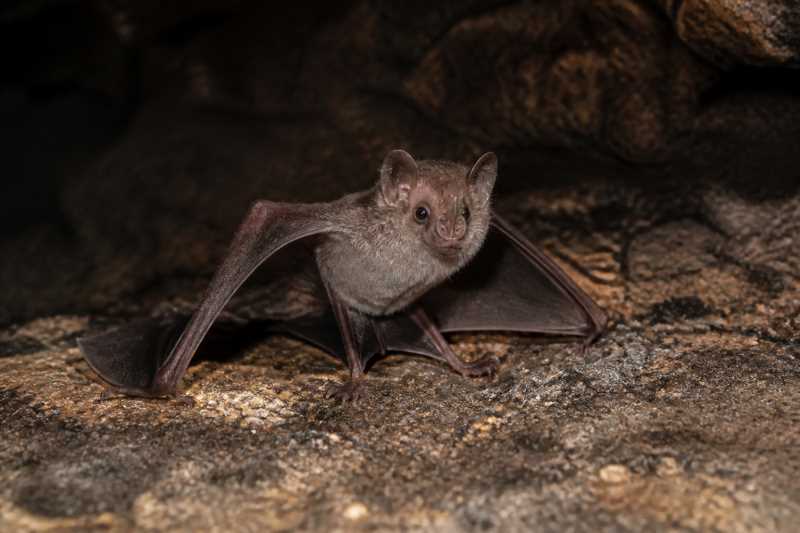
The Grand Roundleaf Bat is characterized by its robust build and significant size relative to other bats in its genus. Adults typically have a wingspan ranging from 30 to 40 centimeters, making it one of the larger species in the roundleaf bat family. The species is named for its distinct roundleaf-shaped nose, which is a critical adaptation that aids in its sophisticated echolocation system.
The fur of the Grand Roundleaf Bat is generally dark brown to a reddish hue, providing camouflage against the cave walls where it often roosts. Its ears are moderately large and rounded, enhancing its hearing capabilities, which are vital for hunting and navigation. The wings are long and narrow, optimized for agile flight in cluttered environments like forests and caves.
Range and Habitat
Hipposideros grandis is primarily distributed across Southeast Asia, with populations found in countries such as Thailand, Vietnam, Laos, and parts of Cambodia. This species prefers tropical and subtropical climates, residing in limestone caves, forests, and occasionally abandoned buildings that offer the dark, humid conditions ideal for roosting.
The choice of habitat is influenced by the availability of food sources and suitable roosting sites. Caves provide a stable environment, protecting them from predators and extreme weather conditions. Additionally, proximity to water bodies is often a key factor, as these areas tend to have higher insect populations, which are the primary food source for these bats.
Behavior and Diet
The Grand Roundleaf Bat is a nocturnal creature, with most of its activity concentrated during the night. During the day, it roosts in large colonies, which can number in the hundreds, providing warmth and protection through communal living. At night, these bats are active hunters, relying on their echolocation abilities to detect and capture prey.
Their diet predominantly consists of insects, including moths, beetles, and other flying invertebrates. The echolocation system of the Grand Roundleaf Bat is highly specialized, allowing it to emit high-frequency sounds that bounce off objects, helping it to locate prey with remarkable precision.
Identification Tips (Field Recognition Cues)
Identifying the Grand Roundleaf Bat in the wild involves several key characteristics:
- Noseleaf Structure: The distinctive roundleaf-shaped nose is a significant feature for identification.
- Coloration: Look for the dark brown to reddish fur, which is consistent across individuals of this species.
- Echolocation Calls: The call frequency of the Grand Roundleaf Bat is within the range of 80-110 kHz, which can be detected using bat detectors.
- Habitat Preference: Observing bats in large colonies within limestone caves or similar environments can be an indicator of their presence.
- Size and Wingspan: Larger size and wingspan compared to other regional bats can help differentiate this species.
Conservation Status (With Threats and Protections)
The Grand Roundleaf Bat is currently listed as a species of Least Concern by the International Union for Conservation of Nature (IUCN). However, like many bat species, it faces several threats that could impact its population numbers if not addressed.
Threats
- Habitat Destruction: Deforestation and land-use changes, particularly in Southeast Asia, threaten to destroy their natural habitats.
- Human Disturbance: Increased tourism and cave exploration can disrupt roosting sites.
- Climate Change: Alterations in temperature and precipitation patterns can affect food availability.
Protections
Efforts to protect the Grand Roundleaf Bat include:
- Protected Areas: Establishing and maintaining protected areas that include critical roosting sites.
- Research and Monitoring: Ongoing research to monitor population trends and understand ecological needs.
- Public Awareness: Increasing awareness about the ecological role of bats and promoting bat-friendly practices.
Frequently Asked Questions
What does the Grand Roundleaf Bat eat?
The Grand Roundleaf Bat primarily feeds on insects, including moths and beetles, using echolocation to hunt effectively during nighttime.
Where can the Grand Roundleaf Bat be found?
This species is mainly found in Southeast Asia, including countries like Thailand, Vietnam, and Laos, where it inhabits limestone caves and forests.
How does the Grand Roundleaf Bat use echolocation?
The bat emits high-frequency sound waves that bounce off objects and return as echoes, allowing it to navigate and locate prey with precision.
Are Grand Roundleaf Bats endangered?
Currently, the Grand Roundleaf Bat is classified as Least Concern. However, habitat loss and disturbance pose significant threats to its populations.
How can I help protect the Grand Roundleaf Bat?
Supporting conservation efforts, participating in awareness campaigns, and advocating for the protection of natural habitats can contribute to the conservation of this species.
Related posts