Southern Atlantic Tree-rat (Phyllomys sulinus)
Introduction
The Southern Atlantic Tree-rat, scientifically known as Phyllomys sulinus, is a captivating rodent species native to the dense forests of South America. With its unique adaptations and crucial ecological role, this mammal species deserves attention not just from scientists but also from wildlife enthusiasts and conservationists. This article delves into the various aspects of the Southern Atlantic Tree-rat, providing insights into its physical characteristics, habitat, behavior, and conservation status, alongside tips for identifying this elusive creature in the wild.
Physical Description
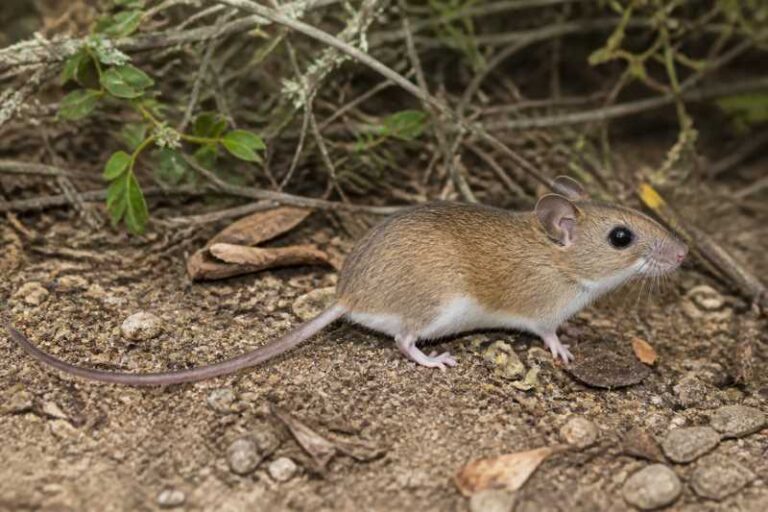
The Southern Atlantic Tree-rat is a medium-sized rodent characterized by its distinctive arboreal adaptations, which enable it to thrive in the forest canopy. Adult tree-rats typically measure between 20 to 25 centimeters in body length, excluding their tail, which adds an additional 15 to 20 centimeters. Their fur is dense and soft, with a color palette ranging from dark brown to a lighter, almost grey hue, providing excellent camouflage against tree bark.
One of the most notable features of the Southern Atlantic Tree-rat is its prehensile tail, which aids in navigation and balance among the trees. Their limbs are strong and equipped with sharp claws, essential for climbing and gripping branches. Additionally, they have large, expressive eyes that enhance their nocturnal vision, allowing them to forage efficiently during the night.
Range and Habitat
Phyllomys sulinus is endemic to the Atlantic Forest biome, a region known for its high biodiversity and endemism but also for its critical conservation status. This species inhabits the southeastern regions of Brazil, primarily within the states of Paraná, Santa Catarina, and Rio Grande do Sul. The Southern Atlantic Tree-rat prefers the dense, humid forests with abundant tree cover, which provide both food sources and protection from predators.
The Atlantic Forest, although heavily fragmented, still supports a high diversity of flora and fauna, making it a crucial habitat for the Southern Atlantic Tree-rat. The species is most commonly found in the mid to upper canopy levels, where it builds nests out of leaves and twigs.
Behavior and Diet
The Southern Atlantic Tree-rat is primarily nocturnal, spending the daytime hours in tree hollows or among dense foliage. At night, it becomes active, foraging for food and engaging in social interactions.
Its diet is primarily herbivorous, consisting of a variety of plant materials such as leaves, fruits, seeds, and bark. This diet not only sustains the tree-rat but also plays a significant role in seed dispersal, aiding forest regeneration. In addition to its herbivorous diet, the Southern Atlantic Tree-rat occasionally consumes insects, which provide a source of protein.
Socially, the tree-rat is generally solitary, although it may occasionally be observed in small family groups, particularly during the breeding season. Communication among individuals is facilitated through vocalizations and scent marking, the latter of which is crucial for establishing territory and attracting mates.
Identification Tips
Identifying the Southern Atlantic Tree-rat in the wild can be challenging due to its elusive nature and the dense forest habitat it occupies. However, certain field recognition cues can aid in its identification:
- Tail and Climbing Behavior: Look for a long, prehensile tail and agile climbing behavior in the forest canopy.
- Fur Coloration: Observe the dense, brown to greyish fur which blends seamlessly with the tree bark.
- Nocturnal Activity: Note any activity during dusk or nighttime, as this species is predominantly nocturnal.
- Vocalizations: Listen for soft vocalizations, which may indicate the presence of a tree-rat.
- Nest Structures: Spotting nests constructed from leaves and twigs in the canopy can also point to their presence.
Conservation Status
The Southern Atlantic Tree-rat is currently listed as Near Threatened by the International Union for Conservation of Nature (IUCN). The primary threats to its survival include habitat loss due to deforestation, agricultural expansion, and urban development. The fragmentation of the Atlantic Forest has further isolated populations, reducing genetic diversity and increasing vulnerability to environmental changes.
Conservation efforts are essential to preserve this species and its habitat. Protected areas and legal frameworks, such as the creation of national parks and wildlife reserves, have been established to safeguard portions of the Atlantic Forest. Additionally, reforestation projects and community-based conservation initiatives are crucial in promoting habitat restoration and connectivity.
Frequently Asked Questions
What does the Southern Atlantic Tree-rat eat?
The Southern Atlantic Tree-rat primarily consumes plant materials, including leaves, fruits, seeds, and bark. Occasionally, it supplements its diet with insects.
Where can I find the Southern Atlantic Tree-rat in the wild?
This species is endemic to the Atlantic Forest region in southeastern Brazil, particularly within the states of Paraná, Santa Catarina, and Rio Grande do Sul.
How can I identify a Southern Atlantic Tree-rat?
Look for a medium-sized rodent with a prehensile tail, dense brown to greyish fur, and nocturnal activity. Observing their agile climbing and nest structures in the canopy can also aid identification.
Why is the Southern Atlantic Tree-rat considered Near Threatened?
The species is Near Threatened primarily due to habitat loss from deforestation, agricultural expansion, and urban development, leading to fragmented populations and reduced genetic diversity.
What conservation efforts are in place for the Southern Atlantic Tree-rat?
Conservation efforts include establishing protected areas, implementing legal frameworks, promoting reforestation, and encouraging community-based conservation initiatives to restore and connect fragmented habitats.
Related posts