Introduction
The Plains Harvest Mouse (Reithrodontomys montanus), a small rodent native to North America, plays a vital role in its ecosystem. Known for its adaptability and resilience, this species thrives in various habitats across the central United States. Despite its diminutive size, the Plains Harvest Mouse has captured the interest of researchers and conservationists alike due to its ecological importance and the pressures it faces from environmental changes.
This article aims to provide an in-depth look at the Plains Harvest Mouse, exploring its physical characteristics, natural habitat, behaviors, and diet. Additionally, we will cover essential information on how to identify this species in the wild and discuss its current conservation status. Finally, we’ll address some frequently asked questions about this intriguing mammal.
Physical Description
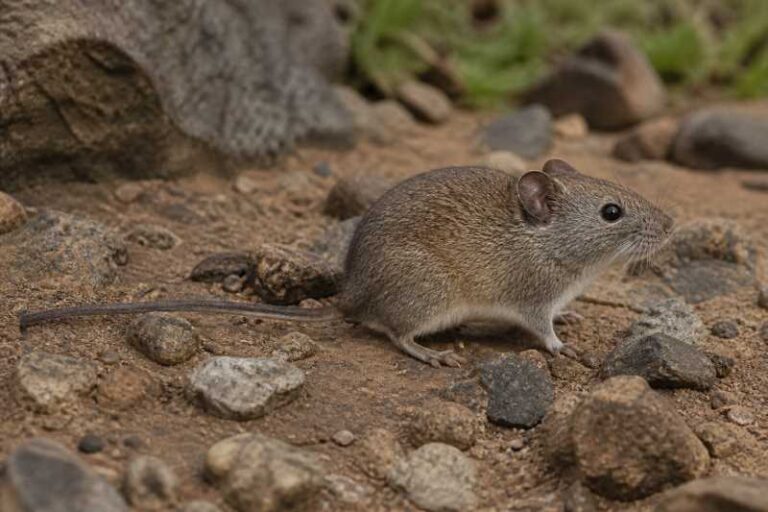
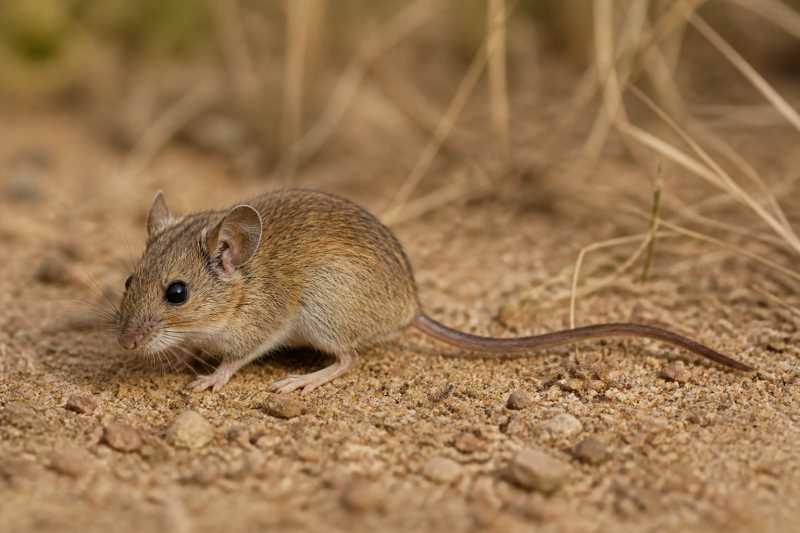
The Plains Harvest Mouse is a small rodent, with adults typically measuring between 5 to 7 inches (12 to 18 cm) in total length, including the tail. The tail itself accounts for nearly half the total length, measuring approximately 2.5 to 3.5 inches (6 to 9 cm). This species exhibits sexual dimorphism, with females generally being slightly larger and heavier than males.
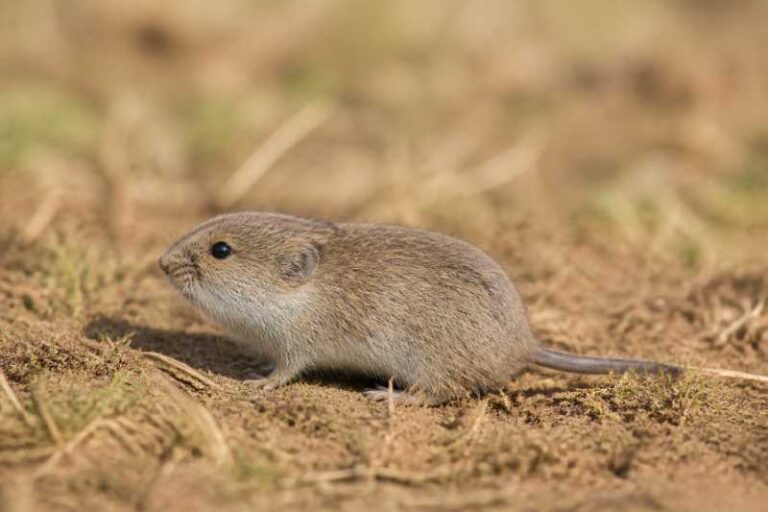
The coat of the Plains Harvest Mouse is soft and dense, providing essential insulation against temperature fluctuations. The dorsal side is usually a mix of grayish-brown, which aids in camouflage within its natural habitat. The ventral side, however, is significantly lighter, often exhibiting a whitish or light gray hue. One of the most distinguishing features of the Plains Harvest Mouse is its small, rounded ears and a slightly pointed snout, which are adaptations for detecting predators and foraging for food.
Range and Habitat
The geographic range of the Plains Harvest Mouse extends across the central United States, from southern South Dakota and southern Minnesota, southward through Nebraska, Kansas, and Oklahoma, reaching into parts of Texas and New Mexico. This distribution reflects the mouse’s affinity for grasslands and prairies, although it can also be found in agricultural fields and areas with a mix of grasses and shrubs.
Plains Harvest Mice prefer habitats that offer ample cover and food resources. They thrive in areas with dense grass cover, which offers protection from predators and harsh weather conditions. Agricultural lands, particularly those with crops such as wheat and corn, provide abundant food sources, though such environments also expose them to agricultural practices and chemical use.
Behavior and Diet
The Plains Harvest Mouse is primarily nocturnal, engaging in most of its activities under the cover of darkness. This behavior helps reduce its visibility to predators, which include birds of prey, snakes, and carnivorous mammals. Despite their nocturnal nature, these mice may also be active during dawn and dusk.
Socially, Plains Harvest Mice are generally solitary, except during the breeding season when they pair up for mating. They construct nests using grasses and other plant materials, often located in underground burrows or dense vegetation.
The diet of the Plains Harvest Mouse is omnivorous, consisting largely of seeds and grains, which they forage for on the ground. They also consume insects and green vegetation, which provide necessary proteins and nutrients. Their diet can vary seasonally, depending on the availability of food sources.
Identification Tips
Identifying the Plains Harvest Mouse in the field can be challenging due to its small size and elusive nature. However, there are several cues that can aid in recognition:
- Size and Shape: Look for small rodents with a body length of 5 to 7 inches, including a long, slender tail.
- Coloration: The back is typically grayish-brown, while the belly is whitish.
- Ears and Snout: Note the small, rounded ears and slightly pointed snout.
- Habitat: Check areas with dense grass cover or agricultural fields, particularly during nighttime or twilight hours.
Conservation Status
The conservation status of the Plains Harvest Mouse is currently listed as Least Concern by the International Union for Conservation of Nature (IUCN). Despite this classification, the species faces several threats that could impact its populations in the future.
Threats
- Habitat Loss: The conversion of grasslands to agricultural land and urban areas poses a significant threat to the natural habitats of the Plains Harvest Mouse.
- Pesticides and Chemicals: The use of pesticides in agricultural lands can have detrimental effects on the mouse population, either through direct poisoning or by reducing their food sources.
- Climate Change: Alterations in climate patterns can affect the availability of resources and suitable habitats for this species.
Protections
Conservation efforts for the Plains Harvest Mouse focus on preserving natural grassland habitats and promoting sustainable agricultural practices. Protected areas and wildlife reserves also play a crucial role in maintaining stable populations by providing safe environments where they can thrive.
Frequently Asked Questions
1. What does the Plains Harvest Mouse eat?
The Plains Harvest Mouse primarily feeds on seeds and grains found in its grassland habitat. It also consumes insects and green vegetation, which provide essential nutrients.
2. Where can the Plains Harvest Mouse be found?
This species is commonly found across the central United States, particularly in grasslands, prairies, and agricultural fields from southern South Dakota to Texas and New Mexico.
3. How does the Plains Harvest Mouse avoid predators?
Primarily nocturnal, the Plains Harvest Mouse avoids predators by being active at night, using its coloration for camouflage, and staying close to dense vegetation for quick cover.
4. Is the Plains Harvest Mouse endangered?
Currently, the Plains Harvest Mouse is not considered endangered and is classified as Least Concern, although habitat loss and agricultural practices pose potential risks.
5. How can I identify a Plains Harvest Mouse?
Look for small rodents with a body length of 5 to 7 inches (including the tail), grayish-brown dorsal coloring, whitish belly, small rounded ears, and a slightly pointed snout, typically found in grasslands or agricultural areas.
Related posts