Gould’s Wattled Bat: An In-depth Exploration
Introduction
Gould’s Wattled Bat, scientifically known as Chalinolobus gouldii, is a fascinating and adaptable species that thrives in a variety of environments across Australia. Named after the renowned 19th-century English ornithologist and naturalist John Gould, these bats are known for their distinctive facial features and versatile habits. This article delves into the intriguing world of Gould’s Wattled Bat, examining its physical features, habitat, behavior, and conservation status, while also providing tips for identification in the field.
Physical Description
Gould’s Wattled Bat is a medium-sized member of the Vespertilionidae family, known for its distinct facial structure and unique color pattern. These bats typically weigh between 12 to 20 grams, with a body length ranging from 55 to 65 millimeters. Their forearm spans approximately 45 to 50 millimeters, supporting their agile flight.
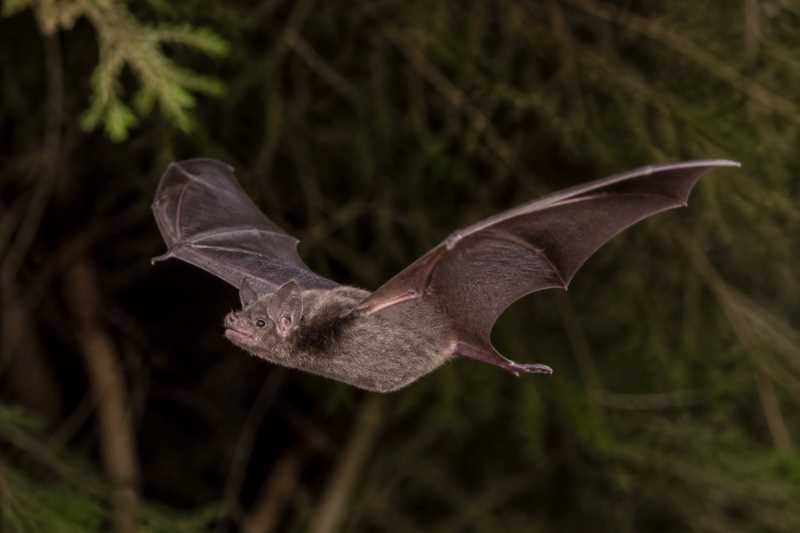
One of the most striking features of Gould’s Wattled Bat is the presence of fleshy lobes or "wattles" on either side of the face, which may aid in their echolocation abilities. Their fur is dense and dark, usually brown or black, with a lighter underbelly that provides subtle camouflage during roosting. The wings are long and narrow, allowing for swift and efficient flight patterns.
Range and Habitat
Gould’s Wattled Bat is endemic to Australia, found throughout most of the mainland and occasionally in Tasmania. Their adaptability allows them to inhabit a wide range of environments, from urban areas and agricultural lands to forests and woodlands.
In urban settings, these bats often roost in buildings, bridges, and other man-made structures, taking advantage of the warmth and protection these sites offer. In natural environments, they prefer hollows in trees or under loose bark, often roosting in colonies that provide safety and social interaction. Their flexible habitat preferences have contributed to their relative abundance compared to other bat species.
Behavior and Diet
Primarily nocturnal, Gould’s Wattled Bat emerges at dusk to forage for food. They are insectivorous, relying on a diet that includes moths, beetles, and other flying insects. Their feeding strategy involves swift, agile flight combined with precise echolocation, allowing them to hunt effectively even in complete darkness.
Social behavior is a notable aspect of Gould’s Wattled Bat’s ecology. They are known to roost in colonies that can range from a few individuals to several hundred. These social groups provide opportunities for mating, communication, and protection from predators.
Identification Tips (Field Recognition Cues)
Identifying Gould’s Wattled Bat in the field requires attention to several key characteristics:
- Facial Features: Look for the distinctive wattles, small fleshy lobes on either side of the face.
- Coloration: Note the dark fur with a lighter underbelly.
- Size: Medium-sized bat with a forearm length of 45 to 50 millimeters.
- Flight Pattern: Observe the swift, direct flight with rapid wing beats.
- Echolocation Calls: Use a bat detector to identify their specific echolocation frequency, which typically ranges around 40 to 50 kHz.
Conservation Status (with Threats and Protections)
Currently, Gould’s Wattled Bat is classified as "Least Concern" on the IUCN Red List. This favorable status is due to their wide distribution and adaptability to various habitats. However, they still face threats that could impact their populations in the future.
Threats
- Habitat Loss: Urban expansion and deforestation can lead to the loss of natural roosting sites.
- Pesticides: The use of pesticides can reduce the availability of insect prey and expose bats to harmful chemicals.
- Climate Change: Alterations in climate patterns can affect food availability and roosting conditions.
Protections
Gould’s Wattled Bat benefits from several conservation measures:
- Protected Areas: Many of their habitats overlap with protected regions that safeguard natural resources.
- Urban Conservation Initiatives: Efforts to preserve urban green spaces and install bat boxes help support urban populations.
- Public Awareness Campaigns: Educating the public about the ecological role and importance of bats in pest control and biodiversity.
Frequently Asked Questions
What does Gould’s Wattled Bat eat?
Gould’s Wattled Bat primarily feeds on insects, including moths, beetles, and other flying insects. They are expert hunters, using echolocation to track and capture their prey in flight.
Where can I find Gould’s Wattled Bat in Australia?
These bats are widespread across mainland Australia and can be found in various environments, from urban areas to forests and woodlands. They roost in both natural and man-made structures.
How does Gould’s Wattled Bat use echolocation?
Gould’s Wattled Bat emits high-frequency sound waves that bounce off objects and return to the bat’s ears, allowing it to navigate and hunt in the dark. Their echolocation calls typically range between 40 to 50 kHz.
What are the main threats to Gould’s Wattled Bat?
The primary threats include habitat loss due to urbanization, pesticide use affecting food supply, and climate change impacting roosting and feeding conditions.
How can I help conserve Gould’s Wattled Bat?
Supporting local conservation efforts, installing bat boxes, and reducing pesticide use in gardens can help protect and sustain Gould’s Wattled Bat populations.
Related posts