Introduction
The Gobi Altai Mountain Vole, scientifically known as Alticola barakshin, is a small mammal that inhabits the rugged terrains of Central Asia. It belongs to the family Cricetidae and plays a crucial role in its ecosystem as both prey for larger predators and as a consumer of vegetation. This elusive species is adapted to survive in the harsh, mountainous region of the Gobi Altai, which is characterized by extreme temperatures and sparse vegetation. Understanding the biology and ecology of Alticola barakshin is essential for its conservation, especially as environmental changes and human activities continue to threaten its habitat.
Physical Description
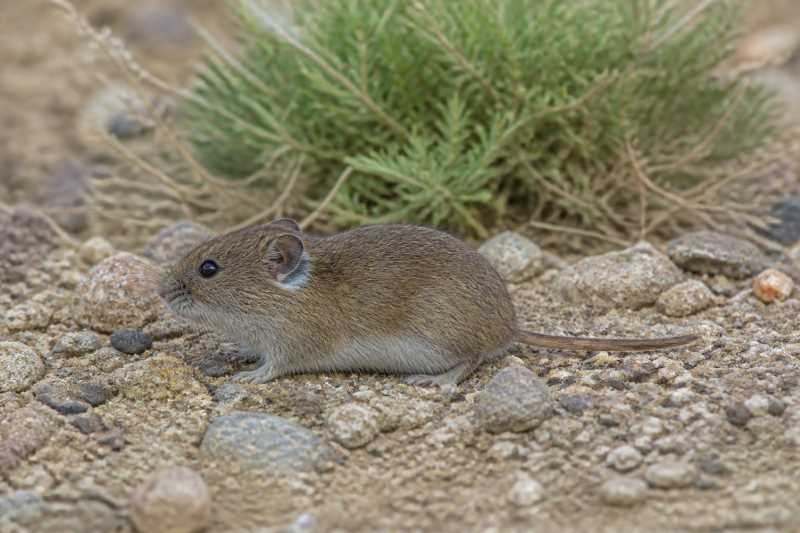
The Gobi Altai Mountain Vole is a small rodent with distinct physical features that suit its mountainous habitat. Typically, an adult vole measures between 10-12 centimeters in length, excluding the tail, which adds an additional 3-5 centimeters. Its fur is thick and dense, providing insulation against the cold. The coloration of the fur is generally a mix of gray and brown, which offers excellent camouflage against the rocky landscapes where it resides. The voles have small, rounded ears and a blunt snout, adaptations that help reduce heat loss and allow for efficient burrowing. Their paws are strong with sharp claws, enabling them to dig and navigate their rocky environment effectively.
Range and Habitat
Alticola barakshin is endemic to the Gobi Altai mountain range, which stretches across parts of Mongolia and northern China. This vole favors high-altitude environments, typically between 2,000 and 3,500 meters above sea level. The habitat is characterized by rocky outcrops, sparse vegetation, and significant temperature fluctuations between day and night. Such environments require the voles to be highly adaptable, as they must find food and shelter in an ecosystem where resources are limited. The Gobi Altai region’s climate, marked by cold winters and relatively mild summers, influences the vole’s life cycle and behavior.
Behavior and Diet
The Gobi Altai Mountain Vole is primarily nocturnal, spending much of the daylight hours in burrows to avoid predators and extreme temperatures. These burrows are often complex networks that provide protection and storage for food. The vole’s diet is herbivorous, consisting mainly of grasses, seeds, and occasionally roots. During the warmer months, they are active foragers, storing food to sustain them through the harsher winter months when resources are scarce. Socially, these voles are generally solitary, although they may be observed in small groups during the breeding season or when resources are abundant.
Identification Tips (Field Recognition Cues)
Identifying the Gobi Altai Mountain Vole in the field involves several key features:
- Size and Shape: Look for a small rodent with a compact body, measuring around 10-12 cm in length (excluding the tail).
- Fur and Coloration: Note the thick, dense fur that is typically a mix of gray and brown. This coloration helps them blend into their rocky surroundings.
- Ears and Snout: The small, rounded ears and blunt snout are distinctive and help reduce heat loss.
- Tail: A relatively short tail, approximately 3-5 cm, which is less than half their body length.
- Behavior: They are mostly nocturnal, so sighting them during the day can be rare unless they are disturbed from their burrows.
Conservation Status (With Threats and Protections)
The Gobi Altai Mountain Vole is currently classified as a species of Least Concern by the International Union for Conservation of Nature (IUCN). However, this status does not mean they are free from threats. The primary threats include habitat destruction due to mining and infrastructure development, climate change affecting their mountainous ecosystem, and predation by natural predators like birds of prey and foxes. Conservation efforts are focused on habitat protection and monitoring population trends to ensure that the species does not move towards a more threatened status. Protected areas within the Gobi Altai range serve as crucial refuges for these voles, and ongoing research aims to better understand their ecological role and adaptability to changing conditions.
Frequently Asked Questions
What is the Gobi Altai Mountain Vole’s primary diet?
The Gobi Altai Mountain Vole primarily feeds on grasses, seeds, and roots. Its diet is strictly herbivorous, and it relies on these food sources particularly during the warmer months to build up reserves for the winter.
How does climate change impact Alticola barakshin?
Climate change poses a significant threat to Alticola barakshin by altering the temperature and precipitation patterns in their mountainous habitat. This can affect the availability of food resources and suitable living conditions, potentially leading to population declines.
Are Gobi Altai Mountain Voles social animals?
Gobi Altai Mountain Voles are generally solitary, although they may gather in small groups during the breeding season or when food is abundant. They are primarily nocturnal and spend much time in their burrows.
Where can I observe Alticola barakshin in the wild?
To observe Alticola barakshin, one would need to visit the high-altitude regions of the Gobi Altai mountains in Mongolia and northern China. However, sightings are rare due to their nocturnal and reclusive nature.
What adaptations help the Gobi Altai Mountain Vole survive in its environment?
Key adaptations include their thick fur for insulation, small ears and a blunt snout to minimize heat loss, strong claws for digging, and a herbivorous diet that allows them to survive on the sparse vegetation available in their rocky habitat.
Related posts