Introduction
The Large-eared Vole (Alticola macrotis) is a small mammalian species belonging to the family Cricetidae. Known for its distinctively large ears, this vole is native to specific regions in Asia. Its unique adaptations and behaviors make it a subject of interest for researchers and wildlife enthusiasts alike. This article delves into various aspects of the Large-eared Vole, including its physical description, habitat, behavior, diet, and conservation status.
Physical Description
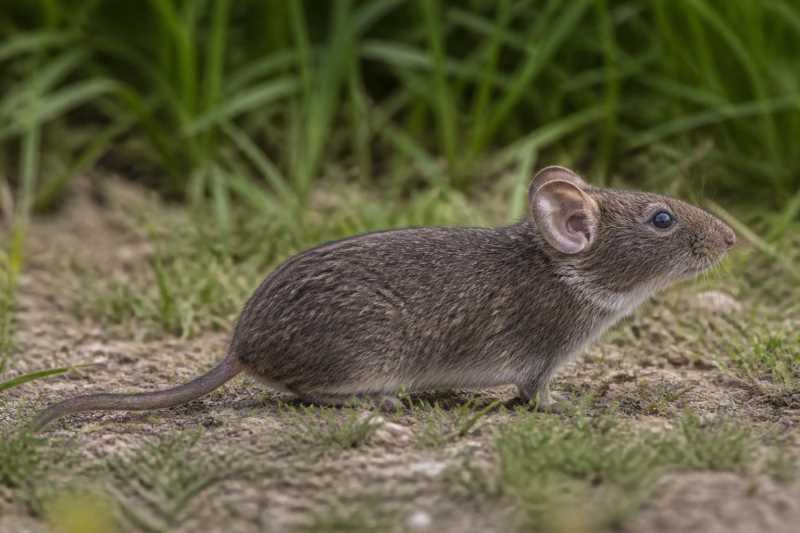
The Large-eared Vole is characterized by its relatively larger ears compared to other voles, which are believed to enhance its auditory capabilities in its native environment. These ears can range from 14 to 16 mm in length. The vole has a compact body structure, with a body length ranging from 90 to 120 mm, and a tail that measures about 28 to 45 mm. Its fur is typically dense and soft, with a coloration that ranges from gray to brown, providing camouflage against predators in its natural habitat. The underbelly is usually lighter, often displaying a whitish or pale gray color.
Range and Habitat
Alticola macrotis is predominantly found in the mountainous regions of Central Asia. Its range extends across parts of China, Mongolia, and Russia, where it inhabits alpine and subalpine zones. The vole favors rocky terrains and high-altitude grasslands, typically found at elevations between 2,000 and 4,500 meters. These areas provide ample cover and foraging resources necessary for the vole’s survival.
The vole’s habitat preference for rocky landscapes is attributed to the availability of crevices and burrows that offer protection from predators and harsh weather conditions. Additionally, the alpine meadows and steppe environments support a rich diversity of plant life, crucial for the vole’s diet.
Behavior and Diet
The Large-eared Vole is primarily nocturnal, engaging in most of its foraging and activity during the night. This behavior helps it avoid daytime predators. It is a solitary creature, although it may share burrow systems with other voles during the breeding season.
Diet-wise, the Large-eared Vole is herbivorous, feeding primarily on grasses, seeds, and herbs. Its diet varies seasonally, with a preference for fresh vegetation during the spring and summer months and dried plant material during the winter. The vole is known to store food in its burrows to survive the harsh winter months when resources are scarce.
Identification Tips (Field Recognition Cues)
Identifying the Large-eared Vole in the field can be challenging due to its small size and elusive nature. However, there are several cues that can aid in its recognition:
- Ear Size: Look for the noticeably large ears, which are a distinguishing feature compared to other vole species.
- Tail Length: The vole’s tail is relatively short, measuring less than half the length of its body.
- Fur Coloration: The gray to brown fur with a lighter underbelly can help in identification.
- Habitat: Observing the vole in rocky, high-altitude environments can confirm its identity.
- Behavioral Patterns: Noting nocturnal activity can differentiate it from other diurnal small mammals.
Conservation Status (with Threats and Protections)
The conservation status of the Large-eared Vole is currently classified as Least Concern by the International Union for Conservation of Nature (IUCN). Despite this, certain localized threats could impact populations.
Threats
- Habitat Loss: Agricultural expansion and human development in high-altitude regions can lead to habitat degradation.
- Climate Change: Alterations in temperature and precipitation patterns can affect the availability of resources and suitable habitats.
- Predation: Natural predators include birds of prey and small carnivorous mammals.
Protections
Conservation efforts focus on habitat preservation, particularly in protected areas where human impact is minimized. Continued research is essential to monitor population trends and potential threats, ensuring the species remains stable.
Frequently Asked Questions
What is the average lifespan of a Large-eared Vole?
The average lifespan of a Large-eared Vole in the wild is typically 1 to 2 years. Predation and environmental factors often limit their longevity.
How do Large-eared Voles adapt to cold environments?
Large-eared Voles have dense fur and a behavior of storing food for winter, which helps them survive harsh, cold environments.
Are Large-eared Voles social animals?
No, Large-eared Voles are generally solitary, except during the breeding season when they may share burrows with others.
What are the main predators of the Large-eared Vole?
The main predators include birds of prey such as hawks and owls, and small mammals like weasels and foxes.
How can I help in the conservation of Large-eared Voles?
Supporting conservation organizations and promoting habitat protection initiatives in their native regions can aid in their conservation.
Related posts