Introduction
The Giant Sulawesi Rat, scientifically known as Taeromys dominator, is a fascinating rodent species native to the Indonesian island of Sulawesi. This elusive mammal is part of the Muridae family, which encompasses a diverse range of rodent species. Despite its imposing name, the Giant Sulawesi Rat is a lesser-known species in the rodent world, offering a unique glimpse into the rich biodiversity of Sulawesi. Understanding the characteristics, habitat, and behavior of the Giant Sulawesi Rat is crucial for appreciating its role in the ecosystem and the conservation challenges it faces.
Physical Description
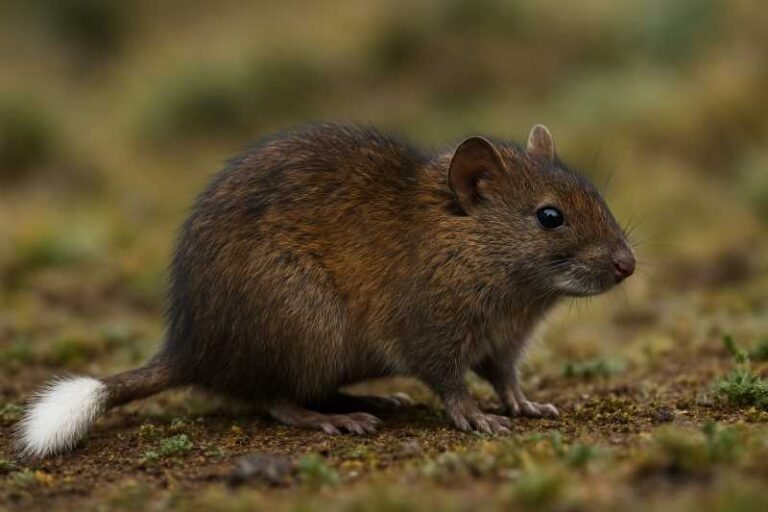
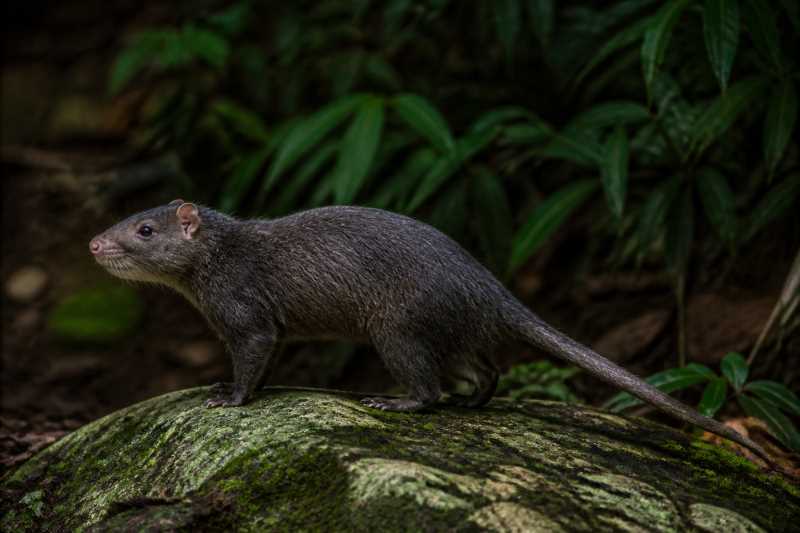
The Giant Sulawesi Rat is notable for its considerable size compared to other rat species. It typically measures approximately 25 to 30 centimeters in body length, with a tail that can add an additional 20 to 25 centimeters. This rat is distinguished by its robust and muscular build, which contributes to its "giant" reputation. Its fur is generally a dark brown or black, providing excellent camouflage in its natural habitat. The species possesses large, rounded ears and a pointed snout, typical of many rodent species. Its tail, covered in sparse hair, is relatively thick and aids in balance and mobility. The large size and unique physical characteristics of the Giant Sulawesi Rat make it a remarkable specimen in the rodent world.
Range and Habitat
The Giant Sulawesi Rat is endemic to the island of Sulawesi in Indonesia, where it inhabits a variety of forested environments. This species is predominantly found in lowland tropical forests, although it can also be encountered in montane forests at higher elevations. The dense forest cover provides ample protection and food resources, crucial for the survival of this species. The unique geography of Sulawesi, with its mountainous terrain and isolated valleys, has led to a high degree of endemism among its fauna, including the Giant Sulawesi Rat. The species’ range is limited to specific forest regions on the island, making it vulnerable to habitat disturbances.
Behavior and Diet
The Giant Sulawesi Rat is primarily nocturnal, emerging at night to forage for food. It is an omnivorous species, with a diet that includes a variety of plant materials, seeds, fruits, and small invertebrates. This flexible diet allows the rat to adapt to changes in food availability, a crucial trait in the dynamic forest ecosystem. The species is known for its solitary behavior, although it may occasionally be observed in small groups, particularly during feeding. The Giant Sulawesi Rat utilizes its keen sense of smell and hearing to locate food and navigate through the dense forest underbrush. Its nocturnal habits and elusive nature make it a challenging species for researchers to study in the wild.
Identification Tips (field recognition cues)
Identifying the Giant Sulawesi Rat in the field can be challenging due to its nocturnal habits and elusive nature. However, several key characteristics can aid in recognition:
- Size and Build: The Giant Sulawesi Rat is larger and more robust than most other rat species, with a body length of 25 to 30 centimeters.
- Fur Coloration: Its dark brown or black fur provides excellent camouflage in the forest environment.
- Tail: A thick, sparsely haired tail that can be as long as the body, aiding in balance.
- Behavior: Typically solitary and active during the night, look for evidence of its presence such as tracks or feeding signs.
Conservation Status (with threats and protections)
The conservation status of the Giant Sulawesi Rat is currently listed as Data Deficient by the International Union for Conservation of Nature (IUCN). This classification highlights the need for further research to accurately assess the population status and threats facing this species. However, several key threats have been identified that potentially impact the Giant Sulawesi Rat:
- Habitat Loss: Deforestation and land conversion for agriculture are significant threats to the rat’s forest habitat.
- Hunting and Trapping: Although not a primary target, the Giant Sulawesi Rat can fall victim to traps set for other species.
Efforts to conserve the Giant Sulawesi Rat should focus on habitat preservation and further research to fill knowledge gaps about its ecology and population dynamics. Protecting the forest habitats of Sulawesi is crucial for the survival of this and many other endemic species.
Frequently Asked Questions
What is the diet of the Giant Sulawesi Rat?
The Giant Sulawesi Rat is an omnivore, feeding on a diet that includes plant materials, seeds, fruits, and small invertebrates. This varied diet allows it to adapt to changes in food availability in its forest habitat.
Where can the Giant Sulawesi Rat be found?
This species is endemic to the island of Sulawesi in Indonesia, where it inhabits lowland and montane tropical forests. Its range is limited to specific forested areas on the island.
What are the main threats to the Giant Sulawesi Rat?
The primary threats include habitat loss due to deforestation and land conversion for agriculture. The species may also be affected by hunting and trapping activities within its habitat.
Related posts