Ruwenzori Sun Squirrel (Heliosciurus ruwenzorii)
Introduction
The Ruwenzori Sun Squirrel, scientifically known as Heliosciurus ruwenzorii, is a captivating species of rodent belonging to the family Sciuridae. This elusive creature is native to the Ruwenzori Mountains, a prominent range in East Africa that straddles the border between Uganda and the Democratic Republic of the Congo. Known for its vibrant appearance and unique behaviors, the Ruwenzori Sun Squirrel has garnered interest among mammalogists and wildlife enthusiasts alike.
As a member of the genus Heliosciurus, this sun squirrel shares its lineage with several other African tree squirrels, each adapted to specific ecological niches across the continent. The Ruwenzori Sun Squirrel, however, is distinct in its adaptation to the montane forest environment, making it a key species for understanding the biodiversity of the Ruwenzori region.
Physical Description
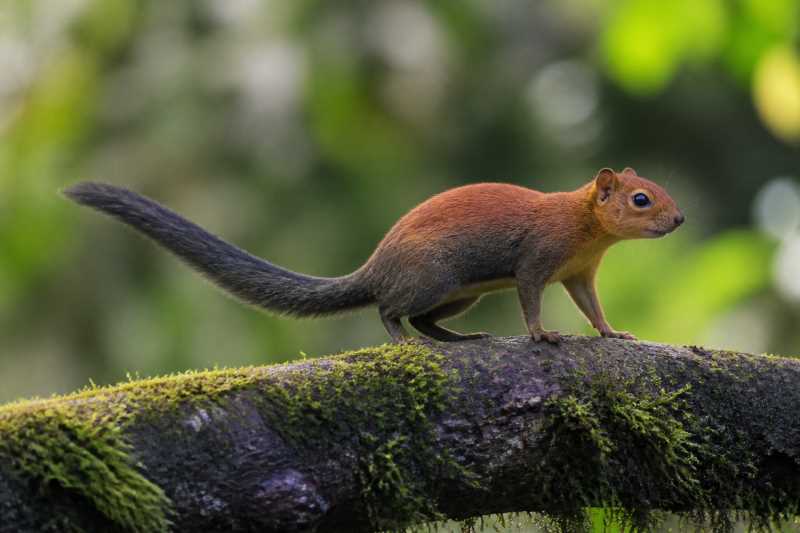
The Ruwenzori Sun Squirrel is a medium-sized rodent characterized by its strikingly colorful fur, which serves as a camouflage amidst the dappled sunlight of the forest canopy. The fur is predominantly a mix of grey and brown hues, with a subtle sheen that gives the squirrel its "sun" moniker. This sheen is particularly noticeable when the squirrel is basking in sunlight, aiding in both thermoregulation and predator avoidance.
Adult Ruwenzori Sun Squirrels typically measure between 25 to 35 centimeters in body length, with an additional 20 to 30 centimeters for the tail, which is bushy and often carried along the back. The tail not only aids in balance and agility among the treetops but also serves as a communication tool, signaling other squirrels through expressive flicks and movements.
The squirrel’s ears are small and rounded, with tufts that may change in prominence according to the season, providing excellent hearing to detect predators or communicate with mates. Its eyes are large and adapted for keen vision, crucial for navigating the complex arboreal environment.
Range and Habitat
The Ruwenzori Sun Squirrel is endemic to the Ruwenzori Mountains, an area renowned for its unique flora and fauna. These mountains, also known as the "Mountains of the Moon," host a variety of habitats, from dense montane forests to alpine meadows, providing a diverse ecological landscape for the squirrel.
Preferring the moist, evergreen forests, the Ruwenzori Sun Squirrel is typically found at altitudes ranging from 1,500 to 3,000 meters. These forests are characterized by a rich canopy of trees, undergrowth laden with mosses and lichens, and a cooler, moist climate compared to the surrounding lowlands.
Within this habitat, the squirrel exhibits a preference for areas with abundant fruit-bearing trees and a dense canopy that offers protection from aerial predators. The presence of water sources, such as streams and rivers, is also a critical factor in its habitat selection, providing hydration and influencing the distribution of food resources.
Behavior and Diet
Ruwenzori Sun Squirrels are diurnal creatures, primarily active during the day when they engage in foraging, social interactions, and territorial displays. Their diet is omnivorous, consisting mainly of fruits, seeds, and nuts, but they also consume insects and small vertebrates when available, showcasing their adaptability.
Foraging is a social activity, often performed in pairs or small family groups. This behavior serves not only for food acquisition but also for maintaining social bonds and cooperative defense against predators. The squirrels communicate through a series of vocalizations, including chirps and whistles, which may signal alarm, territoriality, or mating intentions.
Their arboreal lifestyle is facilitated by their remarkable agility, allowing them to leap significant distances between branches and navigate the forest canopy with ease. Nesting typically occurs in tree hollows or constructed dreys made from leaves and twigs, providing shelter and protection for their young.
Identification Tips (Field Recognition Cues)
Identifying the Ruwenzori Sun Squirrel in the wild involves observing several key characteristics:
- Coloration: Look for the distinctive grey-brown fur with a subtle sheen, particularly visible in sunlight.
- Tail: Note the bushy tail, often carried along the back and used expressively.
- Size: Observe the medium body size, with total lengths (including the tail) reaching up to 65 centimeters.
- Habitat: Spot them in montane forests at elevations between 1,500 and 3,000 meters.
- Behavior: Watch for their diurnal activity patterns and social foraging behavior.
Conservation Status (with Threats and Protections)
The conservation status of the Ruwenzori Sun Squirrel is currently listed as Least Concern by the International Union for Conservation of Nature (IUCN). However, this does not imply that the species faces no threats; rather, it indicates that it is not currently at immediate risk of extinction.
Threats
- Habitat Loss: The primary threat to the Ruwenzori Sun Squirrel is habitat destruction due to logging, agricultural expansion, and human settlement encroaching into the montane forests.
- Climate Change: Alterations in the climate can affect the delicate balance of their high-altitude ecosystems, impacting food availability and habitat conditions.
- Hunting: Although not a primary target, squirrels may be hunted for bushmeat or as bycatch in traps set for other animals.
Protections
Efforts to conserve the Ruwenzori Sun Squirrel include:
- Protected Areas: Much of the Ruwenzori Mountains fall within national parks and conservation areas, providing some legal protection against deforestation and habitat encroachment.
- Research and Monitoring: Continued scientific research and monitoring are essential to understanding population dynamics and ecological requirements.
- Community Engagement: Involving local communities in conservation efforts through education and sustainable resource management practices.
Frequently Asked Questions
Q1: What time of day are Ruwenzori Sun Squirrels most active? A1: Ruwenzori Sun Squirrels are diurnal, meaning they are most active during daylight hours, especially in the early morning and late afternoon when foraging is optimal.
Q2: How can you differentiate a Ruwenzori Sun Squirrel from other African squirrels? A2: Key differentiators include their unique grey-brown fur with a sheen, bushy tail, and specific habitat preferences for montane forests in the Ruwenzori Mountains.
Q3: What are the main threats to the Ruwenzori Sun Squirrel? A3: The main threats include habitat loss due to deforestation, climate change impacts on their ecosystem, and incidental hunting.
Q4: Are Ruwenzori Sun Squirrels social animals? A4: Yes, they often forage in pairs or small groups, maintaining social bonds and cooperating in defense and communication.
Q5: What conservation measures are in place for the Ruwenzori Sun Squirrel? A5: Conservation measures include habitat protection through national parks, community engagement, and ongoing research to monitor populations and threats.
Related posts