Introduction
The African Black White-toothed Shrew, scientifically known as Crocidura nigrofusca, is a fascinating mammalian species belonging to the family Soricidae. This diminutive creature is part of the larger group of white-toothed shrews, notable for their wide distribution across various regions in Africa. As a species, Crocidura nigrofusca has piqued the interest of researchers and conservationists due to its unique adaptations and ecological significance. In this article, we will delve into the physical characteristics, habitat preferences, behavioral patterns, and conservation status of this intriguing species.
Physical Description
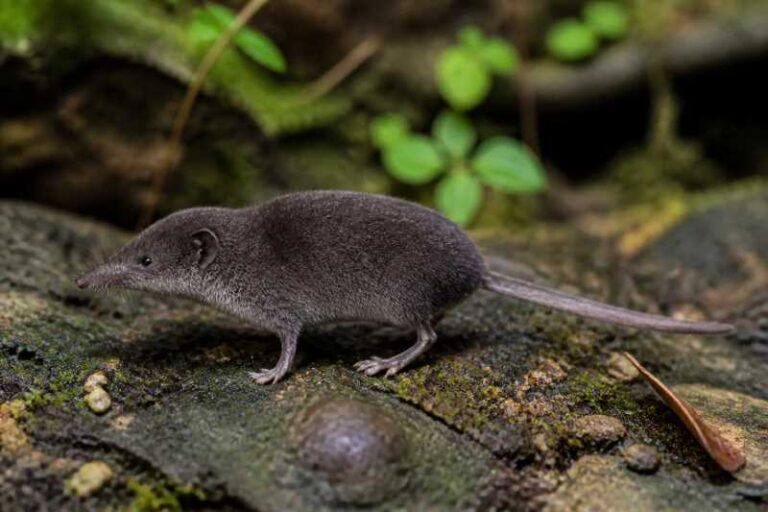
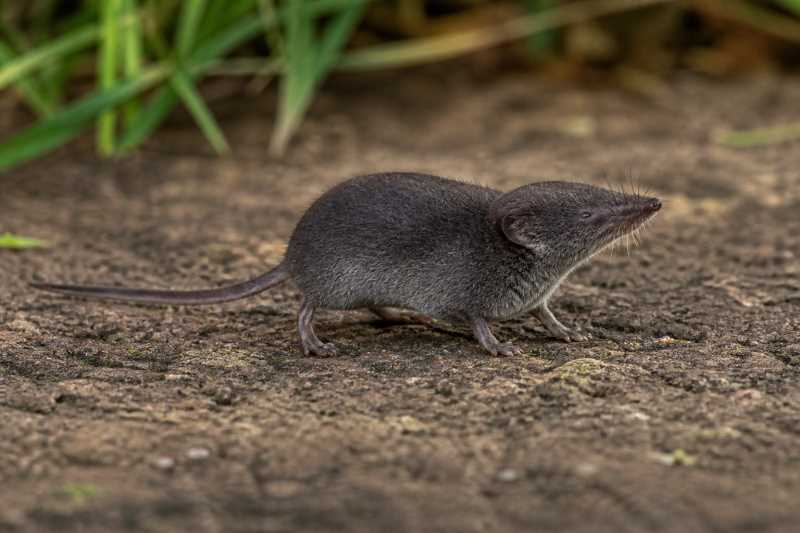
The African Black White-toothed Shrew is a small mammal characterized by a slender, elongated body typical of the shrew family. Adult individuals typically weigh between 8 to 15 grams and measure approximately 60 to 80 millimeters in body length, excluding the tail, which adds another 40 to 60 millimeters. The fur of Crocidura nigrofusca is generally dark brown to black, offering effective camouflage in the dense underbrush of its natural habitat.
One of the defining features of this shrew is its white-colored teeth, a trait that distinguishes it from other shrew species that predominantly have red-tipped teeth. The snout is pointed and elongated, housing highly sensitive whiskers that aid in tactile exploration of their environment. Their small eyes and ears are adaptations to their nocturnal lifestyle, with hearing and smell being more crucial than sight for foraging and avoiding predators.
Range and Habitat
Crocidura nigrofusca is predominantly found in sub-Saharan Africa, with a range that extends across several countries including Nigeria, Cameroon, Gabon, and parts of the Democratic Republic of the Congo. Their preferred habitats are dense tropical and subtropical forests, where they can exploit the abundance of leaf litter and undergrowth for food and shelter.
These shrews are adaptable to various forest types, from lowland rainforests to montane forests, but they tend to avoid open areas and heavily disturbed habitats. The thick vegetation of these forests provides the necessary cover from predators and environmental hazards, while also being rich in invertebrates that constitute their primary diet.
Behavior and Diet
As nocturnal animals, African Black White-toothed Shrews are most active during the night. They exhibit solitary behavior, with individuals maintaining defined territories that they defend vigorously against intruders. Communication between individuals is primarily through scent markings and ultrasonic vocalizations that are beyond the range of human hearing.
The diet of Crocidura nigrofusca mainly consists of insects and other small invertebrates like worms and larvae. Their high metabolic rate necessitates frequent feeding, and they spend a considerable amount of time foraging through leaf litter and soil to locate prey. The shrew’s sharp, white teeth are instrumental in capturing and consuming their prey efficiently.
Identification Tips (Field Recognition Cues)
Identifying Crocidura nigrofusca in the field can be challenging due to their elusive nature and the dense habitat they inhabit. However, there are several cues that can aid in their identification:
- Size and Shape: Look for a small, mouse-like creature with a slender body and elongated snout.
- Fur Color: Their dark brown to black fur is a key distinguishing feature.
- Teeth: If observed closely, the white teeth can help differentiate them from other shrews.
- Behavior: Note their nocturnal activity patterns and solitary behavior.
- Habitat: They are most likely to be found in dense forest undergrowth, avoiding open areas.
Conservation Status (with Threats and Protections)
The African Black White-toothed Shrew is currently classified as Least Concern by the International Union for Conservation of Nature (IUCN). However, like many small mammals, they face threats from habitat destruction due to logging, agriculture, and urbanization. These activities reduce their natural habitat and can lead to population declines.
Conservation efforts for Crocidura nigrofusca focus on preserving the integrity of their forest habitats. Protected areas and national parks play a crucial role in safeguarding the ecosystems these shrews rely on. Continued monitoring and research are essential to ensure that any changes in their population dynamics are detected early, allowing for timely conservation interventions.
Frequently Asked Questions
What is the primary diet of the African Black White-toothed Shrew?
The African Black White-toothed Shrew primarily feeds on insects and small invertebrates. Their diet includes worms, larvae, and various insects, which they actively hunt during the night.
How does the African Black White-toothed Shrew communicate?
These shrews communicate using ultrasonic vocalizations and scent markings. These methods are effective in their nocturnal, solitary lifestyle, allowing them to establish territories and find mates.
Where can the African Black White-toothed Shrew be found?
Crocidura nigrofusca is found in sub-Saharan Africa, particularly in countries like Nigeria, Cameroon, Gabon, and the Democratic Republic of the Congo. They inhabit dense tropical and subtropical forests.
What are the main threats to the African Black White-toothed Shrew?
The primary threats include habitat destruction from logging, agricultural expansion, and urban development, which reduce the availability of their natural forest habitats.
How can I identify the African Black White-toothed Shrew in the wild?
Identifying them involves looking for a small mammal with a dark brown to black fur, elongated snout, and white teeth. Observing their nocturnal and solitary behaviors can also be indicative.
Related posts