Introduction
The Geelvink Bay Flying Fox, scientifically known as Pteropus pohlei, is a captivating species of bat found in the unique ecosystems of Indonesia. This flying fox is a member of the family Pteropodidae, commonly referred to as the megabats or fruit bats. Known for their significant ecological roles, these bats are crucial for pollination and seed dispersal, contributing to the health and sustainability of the environments they inhabit. Despite their ecological importance, they face numerous threats that jeopardize their survival. This article delves into the various aspects of the Geelvink Bay Flying Fox, including its physical characteristics, natural habitat, behavior, and the conservation challenges it faces.
Physical Description
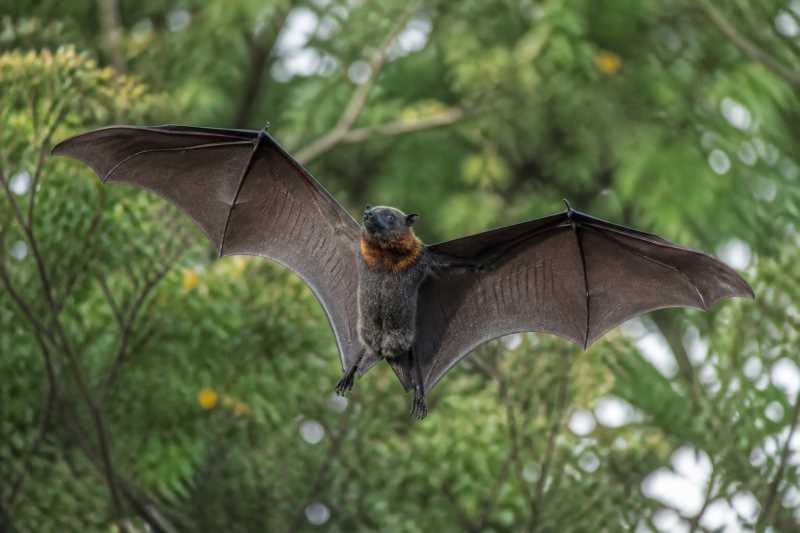
The Geelvink Bay Flying Fox is a large bat species characterized by its impressive wingspan and distinctive physical features. Adult individuals typically have a wingspan ranging from 1.2 to 1.5 meters, making them one of the larger bat species in their range. Their body length averages between 25 to 30 centimeters, with males generally being larger than females.
The fur of the Geelvink Bay Flying Fox is predominantly a striking golden-brown, with a darker mantle that extends from the head to the shoulders. The face is fox-like, with large, expressive eyes and a relatively short snout. Their ears are rounded, and unlike many smaller bat species, they lack the echolocation adaptations found in microbats. Instead, these bats rely on their keen eyesight and sense of smell to navigate and forage.
Range and Habitat
The Geelvink Bay Flying Fox is endemic to Indonesia, with its range primarily restricted to the islands surrounding Geelvink Bay, now known as Cenderawasih Bay. This region includes parts of the Vogelkop Peninsula in the western part of New Guinea and several smaller islands.
These flying foxes inhabit a variety of ecosystems, from coastal areas to tropical rainforests. They are typically found roosting in large colonies in trees near water bodies, such as rivers and coastal areas. The availability of fruiting trees significantly influences their habitat selection, as these provide both food and roosting sites.
Behavior and Diet
The Geelvink Bay Flying Fox is a nocturnal species, meaning it is most active during the night. During the day, they can be seen roosting in large colonies, often in exposed treetops where they can catch the sun’s warmth. These communal roosts are vital for social interaction and protection from predators.
Their diet primarily consists of fruit, nectar, and flowers, making them essential pollinators and seed dispersers in their ecosystems. They prefer a variety of fruits, including figs, mangoes, and guavas, and they play a vital role in maintaining the health of tropical forests by aiding the regeneration of plant life.
Identification Tips (Field Recognition Cues)
Identifying the Geelvink Bay Flying Fox in the wild can be a rewarding experience for wildlife enthusiasts. Key identification cues include:
- Size and Wingspan: Look for a large bat with a wingspan of up to 1.5 meters.
- Fur Coloration: Note the golden-brown body fur and darker mantle.
- Facial Features: Observe the fox-like face with large eyes and rounded ears.
- Roosting Habits: Spot them roosting in large colonies in treetops during the day.
Conservation Status (With Threats and Protections)
The Geelvink Bay Flying Fox is currently listed as a vulnerable species by the International Union for Conservation of Nature (IUCN). This status is primarily due to habitat destruction, hunting, and human disturbances.
Threats
- Habitat Loss: The primary threat to the Geelvink Bay Flying Fox is the destruction of its natural habitat due to deforestation for agricultural expansion and logging.
- Hunting: These bats are hunted for bushmeat and are sometimes considered pests by fruit farmers, leading to persecution.
- Climate Change: Changes in climate patterns can affect the availability of food resources and suitable roosting sites.
Protections
- Conservation Areas: Efforts are being made to establish protected areas to preserve vital habitats.
- Awareness Campaigns: Education and awareness programs are crucial in reducing hunting pressures and promoting coexistence with local communities.
Frequently Asked Questions
What role does the Geelvink Bay Flying Fox play in the ecosystem?
The Geelvink Bay Flying Fox is a key pollinator and seed disperser in its ecosystem. By feeding on fruits and nectar, it helps in the propagation of various plant species, contributing to forest regeneration and biodiversity.
Why are Geelvink Bay Flying Foxes endangered?
They are endangered primarily due to habitat loss from deforestation, hunting pressures, and climate change. These factors have led to a decline in their population, warranting conservation efforts.
How can we help conserve the Geelvink Bay Flying Fox?
Supporting conservation programs, promoting sustainable land use practices, and raising awareness about their ecological importance can aid in their preservation.
Are there any unique behaviors of the Geelvink Bay Flying Fox?
Yes, they exhibit unique social behaviors when roosting in large colonies, which provide protection and opportunities for social interaction. They also have a keen sense of smell, which they use to locate food.
What do Geelvink Bay Flying Foxes eat?
Their diet consists mainly of fruits, nectar, and flowers. They play a crucial role in pollination and seed dispersal, aiding in the maintenance of tropical forest ecosystems.
Related posts