Introduction
The Talaud Flying Fox, scientifically known as Acerodon humilis, is a fascinating and rare species of megabat from the Pteropodidae family. It is endemic to the Talaud Islands in Indonesia, where it occupies a critical ecological niche. As a member of the flying fox group, this species is notable for its large size and fruit-based diet. Despite its importance in the ecosystem, the Talaud Flying Fox faces numerous threats that have led to its classification as an endangered species. This article delves into the various aspects of this intriguing mammal, including its physical characteristics, habitat, behavior, and conservation status.
Physical Description
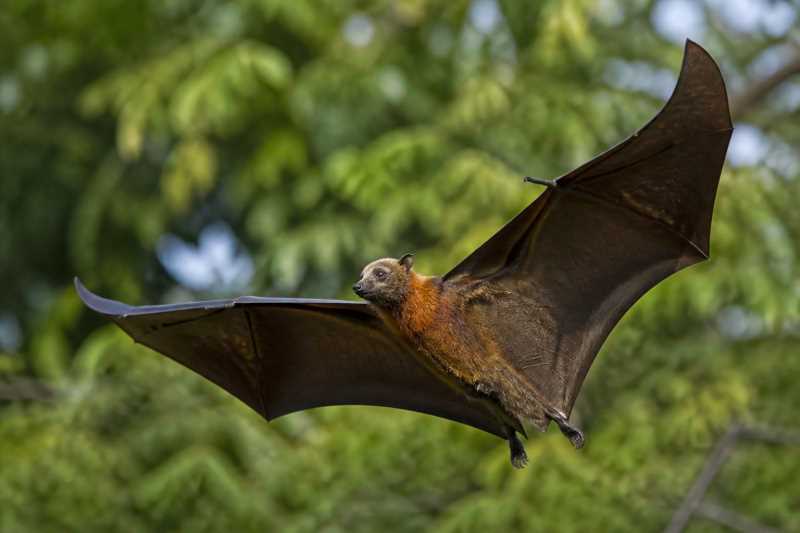
The Talaud Flying Fox is a medium-sized fruit bat distinguished by its striking appearance and features typical of the Acerodon genus. It has a wingspan that can reach up to 1.2 meters (approximately 4 feet), making it one of the larger bat species in its range. The body length typically measures between 20 and 24 centimeters (8 to 9.5 inches), with males generally larger than females.
Its fur is predominantly dark brown, with a slightly lighter hue on the underside, and a distinctive golden-brown around the neck and shoulders, giving it a ‘mane’ appearance. The face of the Talaud Flying Fox is notably fox-like, with a pointed snout and large, expressive eyes adapted for nocturnal activity. Its ears are relatively small and rounded compared to its head size, aiding in its unique acoustic profile.
Like other fruit bats, the Talaud Flying Fox lacks a tail, and its wings are long and leathery, adapted for extensive flight. The wing structure supports efficient gliding, allowing the bat to travel long distances in search of food.
Range and Habitat
The Talaud Flying Fox is endemic to the Talaud Islands, a group of islands located north of Sulawesi in Indonesia. This limited range renders the species particularly vulnerable to habitat disturbances. It primarily inhabits lowland tropical forests, which provide ample food resources and roosting sites.
These bats are frequently found in primary forests but have also been observed in secondary growth areas, plantations, and even mangroves, demonstrating some adaptability to habitat changes. However, the availability of suitable roosting sites and foraging areas remains a critical factor for their survival.
Behavior and Diet
The Talaud Flying Fox is primarily nocturnal, using the cover of night to forage for food and avoid predators. It is a highly social creature, often found roosting in large colonies that can number in the hundreds. These colonies are crucial for their survival, providing safety in numbers and facilitating social interactions necessary for mating and raising young.
Dietarily, the Talaud Flying Fox is frugivorous, with a preference for a variety of fruits, including figs, mangoes, and bananas. The species plays a vital role in seed dispersal, contributing to the health and regeneration of its native forest ecosystem. Occasionally, it may also consume flowers and nectar, aiding in pollination.
Identification Tips (Field Recognition Cues)
Identifying the Talaud Flying Fox in the field involves several key cues:
- Wingspan and Flight Pattern: Look for a large wingspan and a distinctive gliding flight pattern typical of flying foxes.
- Coloration: Note the dark brown fur with a lighter golden-brown ‘mane’ around the neck.
- Roosting Behavior: Observe large colonies roosting high in the canopy during the day.
- Sound: Listen for the characteristic vocalizations and rustling of leaves as they take flight at dusk.
Conservation Status (With Threats and Protections)
The Talaud Flying Fox is currently classified as Endangered on the IUCN Red List. The primary threats to its survival include habitat destruction due to logging and agricultural expansion, hunting for bushmeat, and human disturbance.
To combat these threats, conservation efforts are underway, including habitat protection initiatives and awareness campaigns to reduce hunting. Local and international conservation organizations are working to establish protected areas and engage local communities in sustainable land-use practices.
Frequently Asked Questions
What is the primary diet of the Talaud Flying Fox?
The Talaud Flying Fox primarily feeds on a variety of fruits, including figs, mangoes, and bananas. It may also consume flowers and nectar.
Where can the Talaud Flying Fox be found?
This species is endemic to the Talaud Islands in Indonesia, primarily inhabiting lowland tropical forests, secondary growth areas, and plantations.
Why is the Talaud Flying Fox endangered?
The Talaud Flying Fox is endangered due to habitat destruction, hunting for bushmeat, and human disturbance. Conservation efforts are focused on habitat protection and sustainable practices.
How does the Talaud Flying Fox contribute to the ecosystem?
The Talaud Flying Fox plays a crucial role in seed dispersal and pollination, contributing to forest regeneration and ecosystem health.
How can I help in the conservation of the Talaud Flying Fox?
Supporting conservation organizations, promoting sustainable practices, and spreading awareness about the species can aid in its conservation efforts.
Related posts