Indomalayan Pencil-tailed Tree Mouse (Chiropodomys gliroides): A Comprehensive Overview
Introduction
The Indomalayan Pencil-tailed Tree Mouse, scientifically known as Chiropodomys gliroides, is a fascinating rodent species native to Southeast Asia. Known for its distinctive tail resembling a pencil, this arboreal creature has captivated the interest of researchers and nature enthusiasts alike. This article delves into the various aspects of Chiropodomys gliroides, offering insights into its physical characteristics, habitat, behavior, and conservation status.
Physical Description
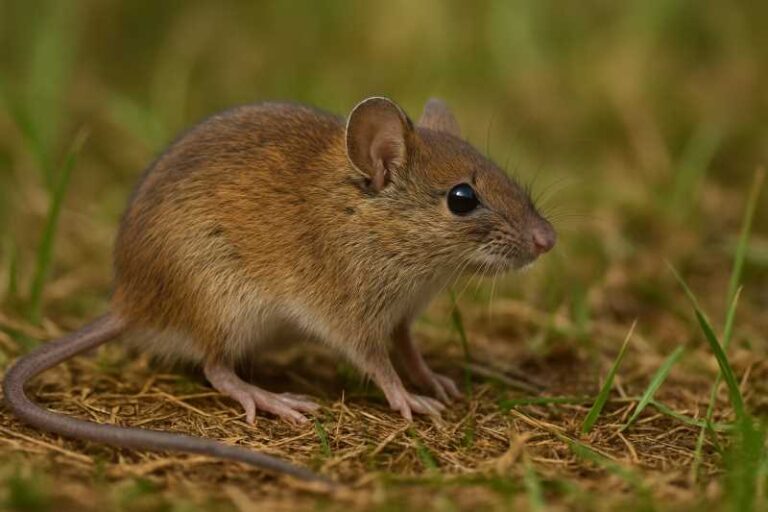
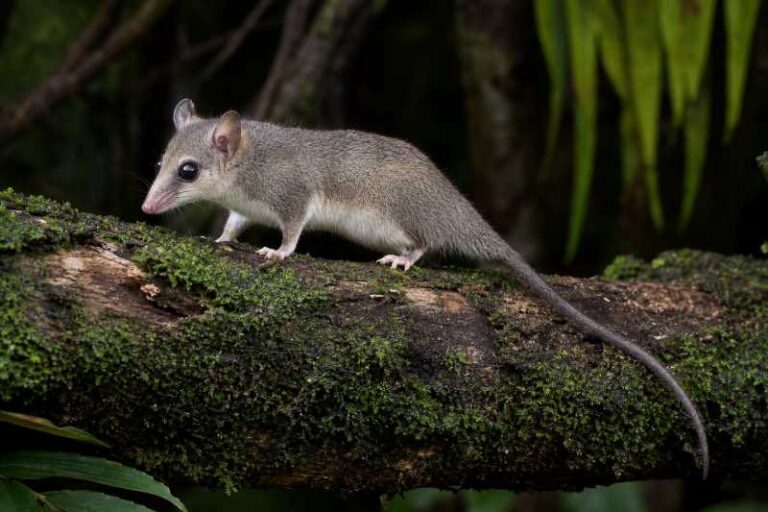
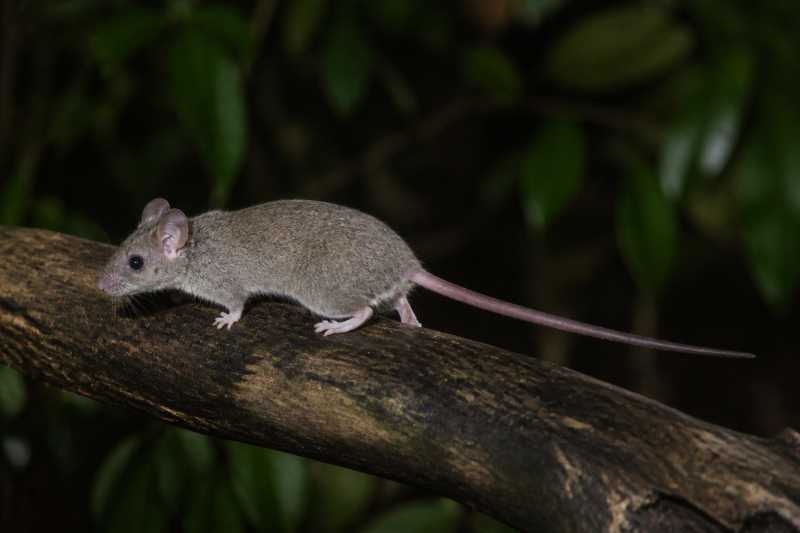
Chiropodomys gliroides possesses unique physical features that distinguish it from other rodent species. This small mammal typically measures between 10 to 12 centimeters in body length, with a tail that adds an additional 13 to 16 centimeters, often longer than the body itself. The tail’s pencil-like appearance is due to its cylindrical shape and sparse fur, which sets it apart from other tree-dwelling rodents.
The fur of the Indomalayan Pencil-tailed Tree Mouse is soft and dense, providing insulation against the variable climate of its native habitats. The dorsal side is usually a mix of gray and brown, offering excellent camouflage among tree branches, while the ventral side is lighter, often white or pale gray.
This species has large, prominent eyes adapted for nocturnal activity, along with whiskers that enhance its sensory perception in the dark. Its limbs are slender yet strong, equipped with sharp claws for climbing and gripping tree bark efficiently.
Range and Habitat
Chiropodomys gliroides is predominantly found in the Indomalayan region, encompassing countries such as Thailand, Malaysia, Indonesia, and parts of Vietnam and Cambodia. This species thrives in tropical and subtropical forests, particularly favoring lowland rainforests, peat swamps, and mangrove forests.
The arboreal nature of this rodent means it spends most of its life in the trees, utilizing the canopy for shelter and food. The dense foliage provides protection from predators and harsh weather conditions, while also offering ample opportunities to forage for sustenance.
Behavior and Diet
Primarily nocturnal, the Indomalayan Pencil-tailed Tree Mouse is most active during the night. This behavior helps it avoid daytime predators and exploit food resources without much competition. It is an agile climber, using its prehensile tail as an additional limb to navigate through branches effortlessly.
The diet of Chiropodomys gliroides is omnivorous, consisting mainly of fruits, seeds, and insects. It plays a crucial role in seed dispersal, aiding in forest regeneration. Occasionally, it may consume small vertebrates or bird eggs, depending on the availability of food resources.
Socially, these mice are relatively solitary but may be seen in pairs during the breeding season. They communicate through a series of vocalizations and scent markings, which help establish territory and attract mates.
Identification Tips (Field Recognition Cues)
Identifying Chiropodomys gliroides in the wild can be challenging due to its nocturnal and arboreal lifestyle. However, there are several cues that can aid in its recognition:
- Tail Appearance: Look for its distinctive pencil-like tail, which is longer than its body and sparsely furred.
- Eye Size: Large, prominent eyes are indicative of its nocturnal habits.
- Fur Color: A mix of gray and brown on the dorsal side with a lighter ventral side.
- Habitat: Typically found in tree canopies of tropical and subtropical forests.
Conservation Status (with Threats and Protections)
The Indomalayan Pencil-tailed Tree Mouse is currently listed as "Least Concern" on the IUCN Red List, indicating that it is not at immediate risk of extinction. However, this status does not mean it is free from threats.
Threats
- Habitat Loss: Deforestation for agriculture, logging, and urban development is the primary threat to its natural habitat.
- Climate Change: Alterations in climate patterns can affect the availability of food and suitable habitat.
Protections
Efforts to conserve Chiropodomys gliroides include:
- Protected Areas: Establishment of national parks and reserves in its native range.
- Sustainable Forestry Practices: Encouragement of responsible logging to minimize habitat destruction.
- Research and Monitoring: Ongoing studies to better understand population dynamics and habitat requirements.
Frequently Asked Questions
What is the natural habitat of the Indomalayan Pencil-tailed Tree Mouse?
The Indomalayan Pencil-tailed Tree Mouse primarily inhabits tropical and subtropical forests in Southeast Asia, particularly favoring lowland rainforests and mangrove forests.
How can I recognize Chiropodomys gliroides in the wild?
Look for its distinctive pencil-like tail, large eyes, and its presence in tree canopies. Its fur is typically gray and brown on the dorsal side, with a lighter ventral side.
What do Pencil-tailed Tree Mice eat?
Their diet is omnivorous, consisting of fruits, seeds, insects, and occasionally small vertebrates or bird eggs.
Are Indomalayan Pencil-tailed Tree Mice endangered?
Currently, they are listed as "Least Concern" but face threats such as habitat loss and climate change impacts.
What conservation efforts are in place for this species?
Conservation efforts include establishing protected areas, promoting sustainable forestry, and conducting research to monitor populations.
Related posts