Introduction
The natural world is brimming with fascinating creatures, each with unique adaptations that enable them to thrive in their specific environments. One such intriguing species is Ferreira’s Fish-eating Rat, scientifically known as Daptomys ferreirai. As the name suggests, this mammal has carved out a niche for itself by preying on aquatic life, showcasing an unusual dietary preference among rodents. This article delves into the various aspects of this remarkable species, from its physical characteristics to its behavior, habitat, and conservation status.
Physical Description
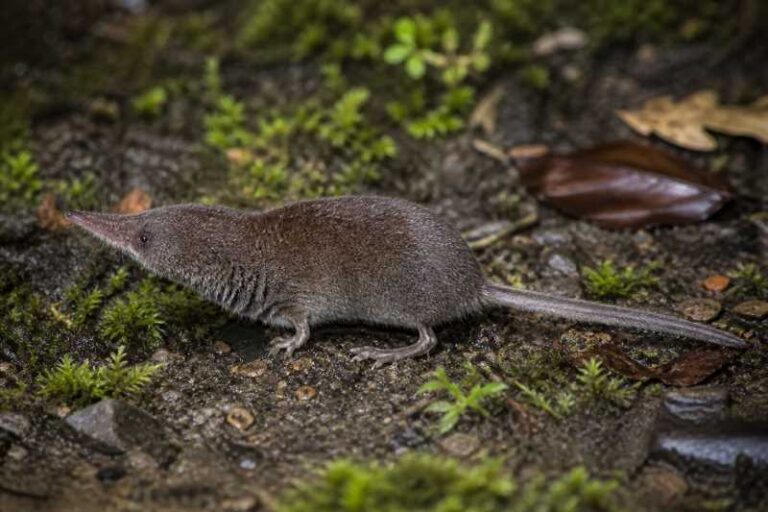
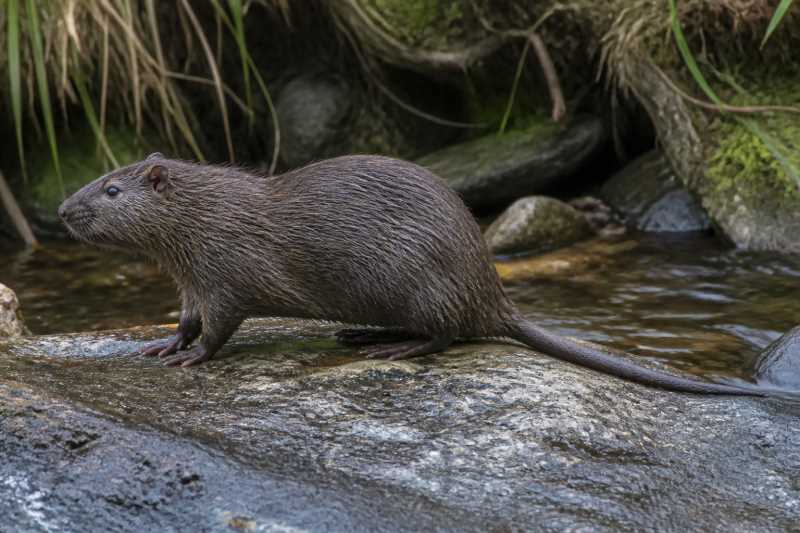
Ferreira’s Fish-eating Rat presents a distinctive appearance that sets it apart from other rodents. Typically, this species exhibits a sleek, streamlined body, an adaptation that aids in its semi-aquatic lifestyle. The fur is generally a dark brown or gray, providing excellent camouflage against the muddy waters and riverbanks it frequents.
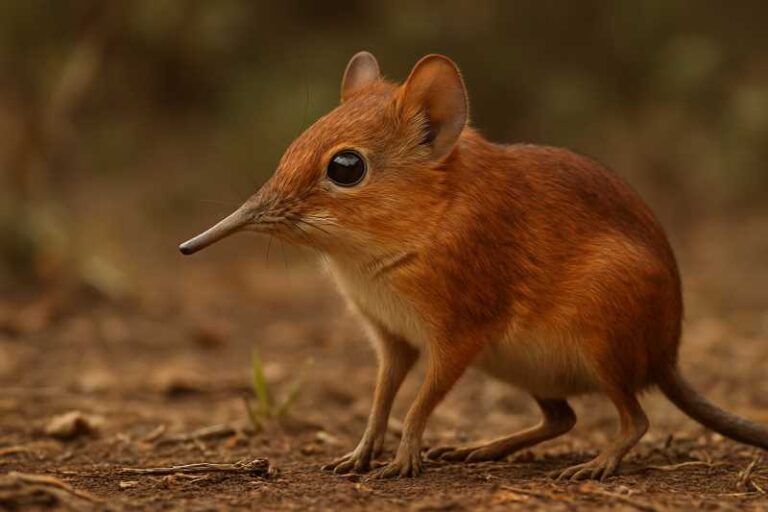
One of the most notable features is its elongated snout, which houses a set of sharp, robust teeth ideal for catching and consuming its aquatic prey. The rat’s limbs are moderately long, with webbed feet that enhance its swimming capabilities. The tail is also elongated, serving as a rudder, which allows it to navigate efficiently through water.
Range and Habitat
Daptomys ferreirai is predominantly found in the tropical and subtropical regions of South America. Its range extends across diverse landscapes, with a preference for areas rich in freshwater ecosystems such as rivers, streams, and wetlands. The rat is particularly abundant in regions where water bodies are surrounded by dense vegetation, which offers shelter and ample feeding grounds.
The habitat selection is closely linked to the availability of its primary food sources. As such, Ferreira’s Fish-eating Rat is often spotted in areas where fish and aquatic invertebrates are plentiful. Its adaptability to different aquatic environments highlights its evolutionary success as a specialized feeder.
Behavior and Diet
Behaviorally, Ferreira’s Fish-eating Rat is primarily nocturnal, venturing out under the cover of darkness to hunt. This nocturnal lifestyle reduces competition with other predators and minimizes exposure to potential threats. The rat is an adept swimmer, often seen diving and foraging in shallow waters.
The diet of Daptomys ferreirai mainly consists of small fish and aquatic invertebrates. It employs a combination of stealth and speed to capture its prey, often using its sensitive whiskers to detect vibrations in the water. This dietary specialization not only fulfills its nutritional requirements but also reduces competition with terrestrial rodent species.
Identification Tips (Field Recognition Cues)
Identifying Ferreira’s Fish-eating Rat in the field requires careful observation of several key traits:
- Habitat Preference: Look for this species near freshwater bodies with abundant vegetation.
- Physical Features: Note the sleek body, elongated snout, and webbed feet.
- Behavior: Observe nocturnal activity and aquatic hunting practices.
- Camouflage: Its dark fur blends well with the natural surroundings, making it less visible.
Conservation Status (with Threats and Protections)
Currently, the conservation status of Daptomys ferreirai is not well-documented, primarily due to its elusive nature and the limited research conducted on this species. However, like many other wildlife species, it faces potential threats from habitat destruction, pollution, and climate change. The degradation of freshwater ecosystems poses a significant challenge, as it directly impacts the availability of its food sources.
Efforts to protect this species would benefit from broader conservation initiatives aimed at preserving wetlands and riverine habitats. Establishing protected areas and promoting sustainable land-use practices are vital steps in ensuring the survival of Ferreira’s Fish-eating Rat.
Frequently Asked Questions
What adaptations help Ferreira’s Fish-eating Rat catch fish?
Ferreira’s Fish-eating Rat has developed several adaptations that aid in catching fish, including sharp teeth for gripping prey, webbed feet for swimming, and sensitive whiskers for detecting vibrations in water.
Where can I observe Ferreira’s Fish-eating Rat in the wild?
To observe this species, visit tropical and subtropical regions of South America, focusing on freshwater bodies with rich vegetation where the rat is likely to hunt and reside.
How does Ferreira’s Fish-eating Rat contribute to its ecosystem?
As a predator of fish and aquatic invertebrates, Ferreira’s Fish-eating Rat plays a role in controlling these populations, thereby maintaining the health and balance of its aquatic ecosystem.
Are there any conservation efforts in place for this species?
While specific conservation efforts for Daptomys ferreirai are limited, broader initiatives aimed at preserving freshwater ecosystems indirectly benefit this species by protecting its natural habitat and food sources.
What threats does Ferreira’s Fish-eating Rat face?
The primary threats include habitat destruction, pollution of waterways, and climate change, all of which can impact the availability of food and suitable living environments for this species.
Related posts