Introduction
Lillo’s Akodont, scientifically known as Necromys lilloi, is a small rodent species belonging to the family Cricetidae. This particular species is a fascinating subject within the mammalian world due to its unique adaptations and ecological significance. Found primarily in South America, Lillo’s Akodont plays a crucial role in its ecosystem. This article delves into the various aspects of this intriguing mammal, from its physical characteristics to its conservation status, providing readers with a comprehensive overview.
Physical Description
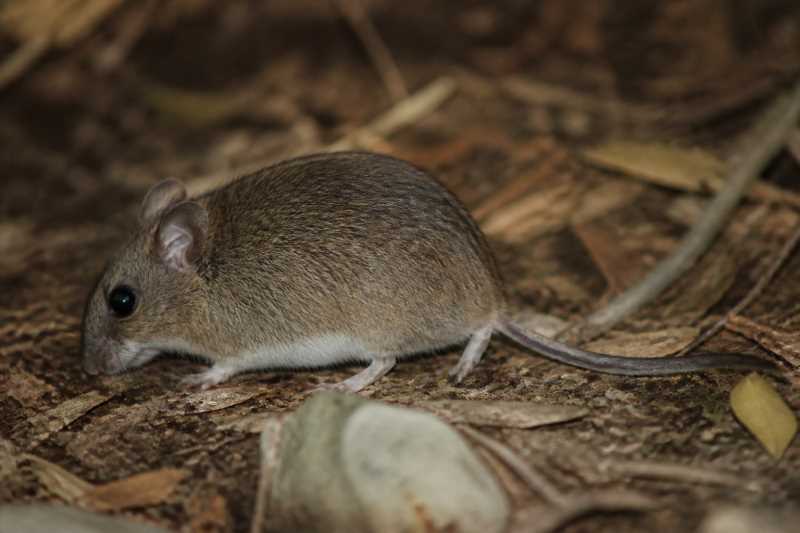
Lillo’s Akodont is a small, robust rodent with a distinctive appearance that sets it apart from similar species. Typically, individuals measure between 8 to 12 centimeters in body length, with a tail that adds an additional 6 to 9 centimeters. The fur of Necromys lilloi is dense and soft, varying in color from dark brown to a more muted gray, depending on the specific population and environmental conditions.
The underbelly is usually lighter, often exhibiting a creamy or whitish hue, which provides a stark contrast to the darker dorsal side. This coloration aids in camouflage, blending seamlessly into the forest floor and grasslands that they inhabit. The ears are small and rounded, partially hidden by the fur, while their eyes are relatively large, adapted for their nocturnal lifestyle.
Their limbs are short yet strong, equipped with sharp claws that facilitate digging and foraging. These physical traits make Lillo’s Akodont well-suited for a life spent navigating the underbrush and burrowing into the soft soil of its habitat.
Range and Habitat
Lillo’s Akodont is native to the Andean regions of South America, specifically found in countries like Argentina and Bolivia. They thrive in montane and submontane environments, particularly favoring areas with dense vegetation and abundant ground cover. These habitats provide the necessary resources for shelter, food, and protection from predators.
Typically, they inhabit altitudes ranging from 1,200 to 3,500 meters. Within these ranges, they are often found in grasslands, shrublands, and forest edges, showcasing their adaptability to various environmental conditions. The presence of water bodies like streams and rivers is also a common feature of their chosen habitats, offering a steady supply of moisture and supporting a rich diversity of plant life.
Behavior and Diet
Lillo’s Akodont exhibits predominantly nocturnal behavior, although some crepuscular activity has been observed. This nocturnal lifestyle helps them avoid daytime predators and take advantage of cooler nighttime temperatures. They are solitary creatures, with each individual maintaining a defined territory marked by scent markings and vocalizations.
In terms of diet, Lillo’s Akodont is primarily herbivorous, feeding on a variety of plant materials. Their diet includes seeds, fruits, leaves, and occasionally insects and small invertebrates, which supplement their nutritional intake. Their foraging activities play a significant role in seed dispersal, contributing to the health and regeneration of their ecosystem.
Identification Tips (field recognition cues)
Identifying Lillo’s Akodont in the field requires a keen eye and an understanding of their distinctive characteristics. Here are some tips to help with identification:
- Size and Shape: Look for a small rodent with a compact body, measuring approximately 8 to 12 centimeters in length, with a proportionately sized tail.
- Fur Coloration: Observe the dense, soft fur that ranges from dark brown to gray on the dorsal side, with a lighter underbelly.
- Behavior: Note their nocturnal habits and solitary nature. They are most active during twilight and nighttime hours.
- Habitat: Check for their presence in montane and submontane regions with dense vegetation and proximity to water sources.
- Vocalizations: Listen for soft squeaks or chirps, often used for communication or territorial marking.
Conservation Status (with threats and protections)
Currently, Lillo’s Akodont is not listed as endangered, but like many species, it faces potential threats that could impact its future survival. The primary threats include habitat destruction due to agricultural expansion, deforestation, and climate change. These activities lead to fragmentation of their natural habitats, reducing the availability of resources and increasing vulnerability to predators and environmental fluctuations.
Conservation efforts are crucial to ensure the continued survival of Necromys lilloi. Protecting their natural habitats through the establishment of protected areas and promoting sustainable land-use practices are essential steps. Additionally, further research is needed to monitor population trends and understand their ecological needs better.
Frequently Asked Questions
1. What is the primary diet of Lillo’s Akodont? Lillo’s Akodont primarily feeds on plant materials such as seeds, fruits, and leaves. Occasionally, they may consume insects and small invertebrates to supplement their diet.
2. Where can Lillo’s Akodont be found? They are mainly found in the Andean regions of South America, specifically in Argentina and Bolivia, inhabiting montane and submontane areas with dense vegetation.
3. How does Lillo’s Akodont contribute to its ecosystem? Lillo’s Akodont plays a crucial role in seed dispersal, which aids in plant regeneration and maintaining ecological balance within their habitats.
4. What are the main threats to Lillo’s Akodont? The primary threats include habitat destruction from agricultural expansion, deforestation, and the impacts of climate change.
5. How does Lillo’s Akodont adapt to its environment? Their dense fur, nocturnal behavior, and herbivorous diet are key adaptations that help them survive in their montane and submontane habitats.
Related posts