Introduction
The Giant Kangaroo Rat (Dipodomys ingens) is a fascinating species of rodent endemic to California, United States. Known for its unique adaptations to arid environments, the Giant Kangaroo Rat has captured the interest of scientists and conservationists alike. This species plays a crucial role in its ecosystem, serving as both a seed disperser and a prey species for various predators.
Physical Description
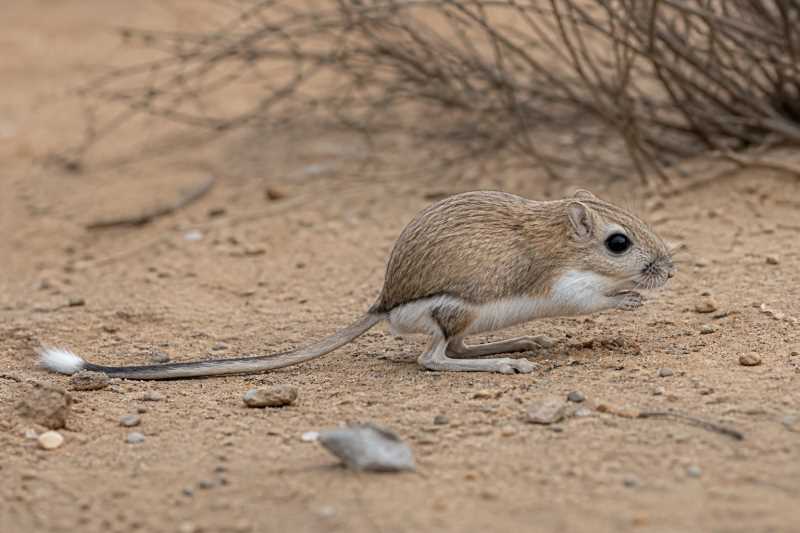
The Giant Kangaroo Rat is the largest of the kangaroo rat species, characterized by its long hind legs and large tufted tail, which aid in balance and agile movement. Adult individuals typically measure about 12 to 14 inches in length, including the tail, and weigh between 4.5 to 6.5 ounces. Their fur is generally a sandy brown color with a white underbelly, providing camouflage in their desert habitat. Their large eyes and ears are well-adapted to nighttime activity, a behavioral trait that helps them avoid daytime predators.
Range and Habitat
The Giant Kangaroo Rat is primarily found in the San Joaquin Valley and adjacent areas in California. Historically, their range covered a much larger area, but human activities have significantly reduced their habitat. They thrive in arid grasslands and desert scrub environments, where they can be found in burrow systems built into loose, sandy soil. These burrows are essential for their survival, offering protection from predators and extreme temperatures.
Behavior and Diet
Giant Kangaroo Rats are nocturnal creatures, spending the day in their burrows and emerging at night to forage. They are granivorous, primarily feeding on seeds, which they gather and store in their cheek pouches. This food is then cached in their burrows for later consumption. Their diet consists mainly of seeds from grasses and forbs, but they also consume insects when available.
The Giant Kangaroo Rat is known for its ‘bipedal hopping’ locomotion, a movement style that is energy-efficient and allows them to quickly escape from predators. Socially, they are solitary animals, with each individual maintaining its own territory, although overlapping territories can occur.
Identification Tips (Field Recognition Cues)
When attempting to identify the Giant Kangaroo Rat in the field, consider these tips:
- Size and Shape: Look for a rodent larger than most with a long tail and large hind legs.
- Coloration: Observe the sandy brown fur with a distinct white underbelly.
- Behavior: Note the bipedal hopping and nocturnal activity patterns.
- Habitat: Find them in open arid grasslands or desert scrub areas.
Conservation Status (With Threats and Protections)
The Giant Kangaroo Rat is currently listed as an endangered species. The primary threat to their survival is habitat destruction due to agricultural expansion and urban development. The conversion of natural habitats into farmland and urban areas has severely reduced and fragmented their populations.
Conservation efforts are in place to protect this species. These include habitat restoration projects, legal protections under the Endangered Species Act, and research initiatives aimed at better understanding their ecological role and needs. Protected areas have been established to preserve remaining habitats and support population recovery.
Frequently Asked Questions
Why is this species unique?
The Giant Kangaroo Rat is unique due to its specialized adaptations for surviving in arid environments, such as its efficient water conservation mechanisms and its bipedal hopping locomotion.
What role does the Giant Kangaroo Rat play in the ecosystem?
This species is a key seed disperser and serves as a prey item for various predators, maintaining ecological balance in its habitat.
How does the Giant Kangaroo Rat cope with limited water availability?
Giant Kangaroo Rats have adapted to arid environments by deriving most of their water needs from the seeds they consume, and they produce highly concentrated urine to minimize water loss.
What are the main threats to the Giant Kangaroo Rat?
The biggest threats are habitat loss due to agricultural development and urbanization, which lead to population fragmentation and decline.
Related posts