Niemitz’s Tarsier (Tarsius niemitzi): A Comprehensive Overview
Introduction
Niemitz’s Tarsier, scientifically known as Tarsius niemitzi, is a small primate species that belongs to the family Tarsiidae. It is one of the unique species of tarsiers, which are small-bodied primates found predominantly in Southeast Asia. Named after the German anthropologist Carsten Niemitz, this species is part of the rich biodiversity of the Indonesian archipelago. Niemitz’s Tarsier is primarily located on the island of Sulawesi, Indonesia, an area renowned for its diverse and endemic wildlife. These nocturnal creatures are known for their distinctive physical features, intriguing behaviors, and their role as indicators of forest health.
Physical Description
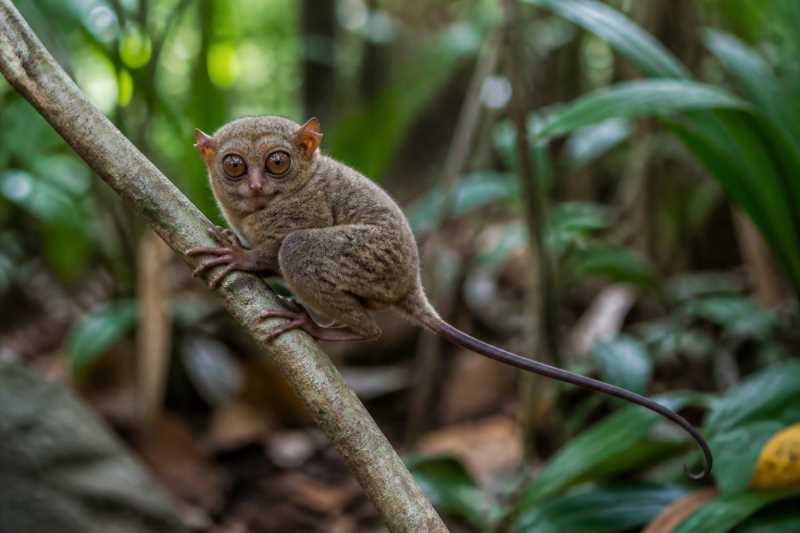
Niemitz’s Tarsier is a diminutive primate, typically measuring between 9 to 12 centimeters in body length, with a tail that extends an additional 20 to 25 centimeters. This tail is essential for balance as they navigate their arboreal habitat. One of the most striking features of Niemitz’s Tarsier is its large eyes, which are perfectly adapted for nocturnal vision. Each eye is approximately as large as the animal’s brain, allowing them to see in low-light conditions effectively. Their eyes are fixed in their skulls, necessitating a flexible neck that can rotate nearly 180 degrees in each direction to compensate.
The fur of Niemitz’s Tarsier is generally soft and velvety, appearing in shades of gray or brown that provide excellent camouflage against tree bark and foliage. They have long fingers and toes equipped with adhesive pads and sharp nails, which aid in climbing and grasping branches. Their hind limbs are notably elongated, adapted for powerful and precise jumps between trees.
Range and Habitat
Niemitz’s Tarsier is endemic to Sulawesi and some surrounding islands, where they inhabit tropical rainforest environments. These forests offer a dense canopy and a rich understory, which provide both shelter and abundant food sources. Tarsiers are arboreal, spending most of their lives in the trees, where they can find insects and small vertebrates to feed on. The specific range of Niemitz’s Tarsier is limited to certain regions within Sulawesi, where conservation efforts are critical to maintaining their habitat amidst increasing deforestation.
Behavior and Diet
As nocturnal creatures, Niemitz’s Tarsiers are most active during the night. They are solitary hunters, relying on their acute sense of hearing and vision to locate prey. Their diet primarily consists of insects, such as grasshoppers and beetles, but they are also known to consume small vertebrates, including birds, lizards, and even other small mammals. This carnivorous diet requires tarsiers to be agile hunters, capable of making rapid, precise movements.
During the day, Niemitz’s Tarsiers rest in tree hollows or dense foliage to avoid predators. They communicate with each other through a series of high-pitched calls, which are often beyond the range of human hearing. These calls play a significant role in maintaining social bonds and defending territories.
Identification Tips
When trying to identify Niemitz’s Tarsier in the field, there are several key characteristics to observe:
- Large Eyes: Their eyes are disproportionately large compared to their body size, providing a glaringly obvious feature to spot at night.
- Elongated Hind Limbs: Look for their long legs, which are adapted for leaping, often seen as they move.
- Nocturnal Activity: They are most likely to be seen during nighttime.
- Distinct Calls: Listen for their high-pitched vocalizations, a distinctive feature among tarsiers.
- Tail Length: The tail is often longer than the body, aiding in balance and maneuverability.
Conservation Status
Niemitz’s Tarsier is currently classified as a vulnerable species, primarily due to habitat destruction and human encroachment. The deforestation of Sulawesi’s rainforests for agriculture and urban development poses significant threats to their survival. Additionally, illegal wildlife trade further exacerbates their decline, as tarsiers are sometimes captured for the pet trade.
Conservation efforts are underway to protect Niemitz’s Tarsier and its habitat. These include establishing protected areas, reforestation projects, and awareness campaigns to reduce hunting and trafficking. Organizations are also working with local communities to promote sustainable land-use practices that benefit both human and wildlife populations.
Frequently Asked Questions
What makes Niemitz’s Tarsier unique compared to other primates?
Niemitz’s Tarsier is unique due to its nocturnal lifestyle, large eyes for enhanced night vision, and its vertical clinging and leaping locomotion. Their solitary nature and specific habitat requirements further distinguish them from other primates.
How do Niemitz’s Tarsiers communicate with each other?
Tarsiers communicate using a series of high-frequency vocalizations, often inaudible to human ears. These sounds help maintain social relationships and establish territories within their arboreal environment.
What are the main threats to Niemitz’s Tarsier?
The primary threats include habitat destruction from logging and agriculture, along with illegal wildlife trade. Conservation measures focus on habitat protection and reducing human impact.
Can Niemitz’s Tarsier be kept as a pet?
While it is possible, keeping tarsiers as pets is highly discouraged due to their specific environmental needs and legal protections. They require vast territories and a diet that is difficult to replicate outside their natural habitat.
How can I help in the conservation of Niemitz’s Tarsier?
Supporting conservation organizations, promoting sustainable practices, and raising awareness about the species’ plight are effective ways to contribute. Participating in reforestation and habitat protection initiatives can also make a significant impact.
Related posts