Nut-colored Yellow Bat (Scotophilus nux): A Comprehensive Guide
Introduction
The Nut-colored Yellow Bat, scientifically known as Scotophilus nux, is a fascinating species of bat that belongs to the family Vespertilionidae, commonly referred to as the evening bats or vesper bats. This species is distinguished by its unique coloration and ecological significance. This article aims to provide an in-depth look at the Nut-colored Yellow Bat, exploring its physical characteristics, habitat, behavior, and conservation status. Through this comprehensive guide, readers can gain a better understanding of the role these bats play in their ecosystems and the challenges they face in the wild.
Physical Description
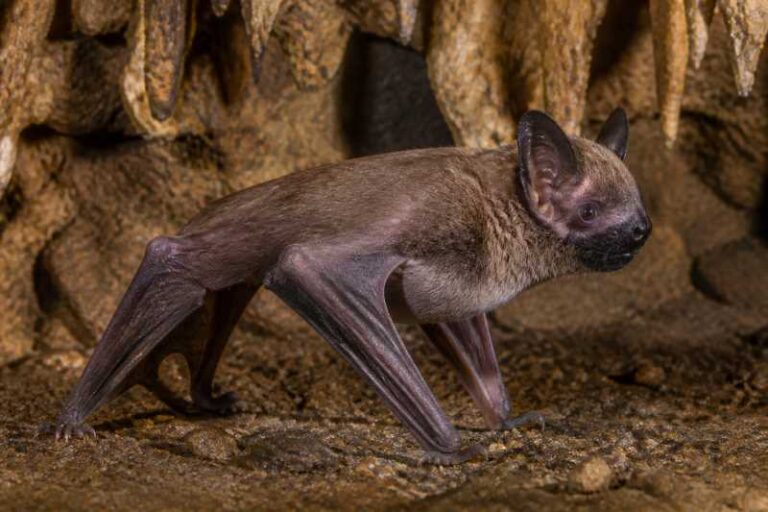
The Nut-colored Yellow Bat is notable for its distinct coloration which gives the species its name. This bat species exhibits a warm, nut-brown to yellowish fur on its dorsal side, while the ventral side is typically lighter, ranging from pale yellow to cream. Adult bats average a body length of about 9 to 11 centimeters, with a wingspan ranging from 30 to 36 centimeters. The ears are moderate in size, with a rounded tip, and the face is characterized by a slightly flattened snout, giving it a gentle appearance.
The wings of the Nut-colored Yellow Bat are long and narrow, adapted for swift and agile flight. This morphology allows them to adeptly maneuver through their arboreal habitats. The wing membranes are generally dark brown, contrasting with the lighter body fur, which aids in identification during flight.
Range and Habitat
The Nut-colored Yellow Bat is primarily found in sub-Saharan Africa, with populations distributed across various regions including West Africa, Central Africa, and parts of East Africa. Its range encompasses countries such as Nigeria, Cameroon, Democratic Republic of Congo, and Uganda, among others.
This species thrives in a variety of habitats, predominantly favoring savannas, woodlands, and forest edges. They are commonly found roosting in tree hollows, under the bark of trees, or amidst dense foliage, which provide both shelter and protection from predators. The availability of water sources is also a crucial factor influencing their habitat selection, as it supports the insect populations that constitute their primary food source.
Behavior and Diet
The Nut-colored Yellow Bat is a nocturnal creature, exhibiting peak activity during the early hours of the night. Like many other bat species, they rely on echolocation to navigate and hunt in the dark. Their diet primarily consists of insects, which they hunt in flight using their acute echolocation abilities to detect and capture prey.
These bats are socially inclined, often forming small colonies that roost together during the day. This social behavior provides advantages such as increased protection from predators and enhanced foraging efficiency. During the breeding season, which typically aligns with the wet season when insect populations are abundant, males and females will mate, and females give birth to one or two offspring after a gestation period of approximately two months.
Identification Tips
For enthusiasts and researchers keen on identifying the Nut-colored Yellow Bat in the field, here are some useful cues:
- Coloration: Look for the distinct nut-brown to yellowish fur on the back and lighter underparts.
- Flight Pattern: Observe their agile and rapid flight, often close to the ground or canopies.
- Roosting Sites: Check for potential roosts in tree hollows or under loose bark.
- Echolocation Calls: Use bat detectors to pick up their high-frequency calls, which are typically beyond human hearing range.
Conservation Status
The Nut-colored Yellow Bat is currently listed as Least Concern on the IUCN Red List. Despite this, the species faces several threats that could impact its future survival. Habitat destruction, particularly due to deforestation and land-use changes for agriculture, poses a significant threat by reducing available roosting and foraging sites.
Moreover, pollution and pesticide use can reduce insect populations, thereby diminishing food resources for these bats. Conservation efforts focus on habitat protection and restoration, as well as educating local communities about the ecological benefits of bats to promote coexistence.
Frequently Asked Questions
What do Nut-colored Yellow Bats eat?
Nut-colored Yellow Bats primarily feed on insects. They use echolocation to detect and capture various flying insects during their nocturnal foraging activities.
Where can I find Nut-colored Yellow Bats?
These bats are found in sub-Saharan Africa, particularly in savannas, woodlands, and forest edges. They roost in tree hollows or under bark.
How do Nut-colored Yellow Bats communicate?
Nut-colored Yellow Bats communicate using echolocation, emitting high-frequency sound waves to navigate and hunt in the dark. These calls are typically inaudible to humans.
Are Nut-colored Yellow Bats endangered?
Currently, they are listed as Least Concern by the IUCN, but they face threats from habitat destruction and pesticide use which could affect their populations in the future.
How can I help protect Nut-colored Yellow Bats?
Supporting conservation initiatives, reducing pesticide use, and promoting habitat preservation can contribute to the protection of Nut-colored Yellow Bats and their habitats.
Related posts