Eastern Antillean Single-leaf Bat (Monophyllus plethodon)
Introduction
The Eastern Antillean Single-leaf Bat, scientifically known as Monophyllus plethodon, is an intriguing species belonging to the family Phyllostomidae. This bat is part of the Neotropical fauna and plays a crucial role in the ecosystems of the Caribbean region. Known for its unique single-leaf nose structure, this bat species is often a subject of interest among researchers and conservationists. Understanding its behavior, habitat, and ecological contributions can shed light on the importance of preserving such species in their natural environments.
Physical Description
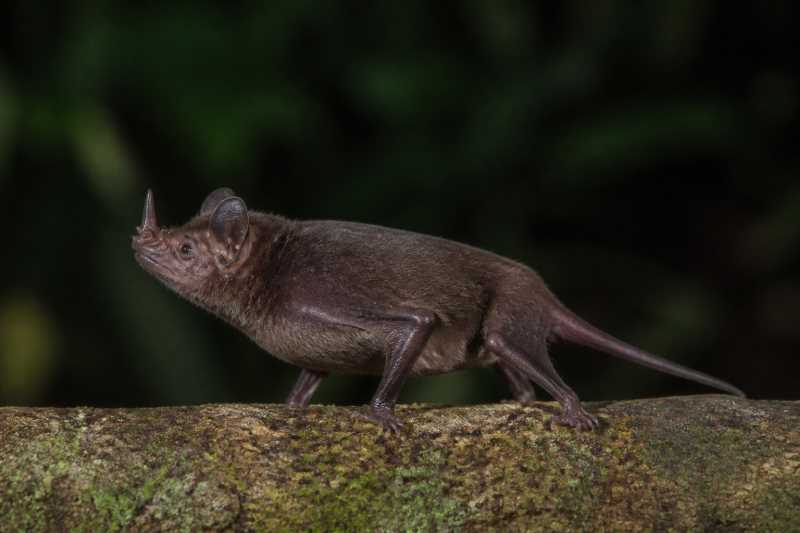
Monophyllus plethodon is a medium-sized bat species characterized by its distinctive nose leaf, which aids in echolocation. The nose leaf is a single-lobed structure that gives this species its common name. Typically, these bats have a wingspan ranging from 30 to 35 centimeters and a body length of about 6 to 8 centimeters. Their fur is generally brownish-gray, providing camouflage against the bark of trees and cave walls. The ears are moderately large, aiding in acute hearing, essential for navigation and hunting in the dark. Their dental structure is adapted to a frugivorous diet, although they are flexible feeders.
Range and Habitat
The Eastern Antillean Single-leaf Bat is endemic to the Caribbean, with a range that includes the islands of Puerto Rico, the Lesser Antilles, and the Virgin Islands. These bats inhabit a variety of environments, from lowland forests to coastal areas. They are particularly fond of roosting in caves, tree hollows, and abandoned buildings, often forming colonies that can number in the hundreds. This adaptability to different roosting sites is a testament to their resilience, although their habitats are increasingly threatened by human activity.
Behavior and Diet
Primarily nocturnal, Monophyllus plethodon is most active during the night, when it embarks on foraging excursions. Its diet consists mainly of fruits, nectar, and insects, making it an important pollinator and seed disperser. This dietary flexibility allows it to adapt to seasonal variations in food availability. Socially, these bats exhibit complex social structures within their colonies, with communication facilitated through a combination of vocalizations and scent markings. During the breeding season, typically occurring in the warmer months, males engage in displays to attract females, which often include elaborate flight patterns and vocalizations.
Identification Tips (field recognition cues)
Identifying the Eastern Antillean Single-leaf Bat in the field can be challenging due to its nocturnal nature and the similarity to other bat species. However, there are several distinctive features to look out for:
- Nose Leaf: The single-leaf structure is a key identifier.
- Size: Medium-sized with a wingspan of 30-35 cm.
- Fur Color: Brownish-gray fur that blends with tree bark and cave walls.
- Flight Pattern: Agile and maneuverable, often seen darting around fruit trees and flowering plants.
- Echolocation Calls: Utilize a bat detector to differentiate their calls from other species.
Conservation Status (with threats and protections)
The conservation status of Monophyllus plethodon is currently listed as Least Concern by the IUCN. However, this does not imply that the species is free from threats. Habitat destruction due to deforestation, urbanization, and agriculture poses significant risks. Additionally, disturbances in roosting sites, such as cave tourism and vandalism, can severely impact their populations. Conservation efforts are focused on habitat protection and education to promote coexistence with human activities. Legal protections in some regions help safeguard key habitats, but ongoing monitoring is essential to ensure their survival.
Frequently Asked Questions
1. What does the Eastern Antillean Single-leaf Bat eat?
The Eastern Antillean Single-leaf Bat primarily consumes fruits, nectar, and insects. This diverse diet makes it a valuable pollinator and seed disperser in its ecosystem.
2. Where can you find the Eastern Antillean Single-leaf Bat?
This bat species is native to the Caribbean, specifically Puerto Rico, the Lesser Antilles, and the Virgin Islands. It inhabits forests, coastal areas, and roosts in caves and tree hollows.
3. Why is the Eastern Antillean Single-leaf Bat important to the ecosystem?
The bat plays a crucial role in pollination and seed dispersal, helping maintain the health of tropical ecosystems. Its diet of fruits and nectar supports the reproduction of various plant species.
4. How can you identify the Eastern Antillean Single-leaf Bat?
Key identification features include its single-leaf nose structure, brownish-gray fur, medium size with a wingspan of 30-35 cm, and its unique echolocation calls.
5. What are the threats to the Eastern Antillean Single-leaf Bat?
Habitat destruction, disturbance of roosting sites, and human encroachment are primary threats. Conservation efforts are crucial to mitigate these risks and preserve the species.
Related posts