Mongolian Finch: The Resilient Songbird of the Steppes
Introduction
The Mongolian Finch, scientifically known as Bucanetes mongolicus, is a captivating bird species inhabiting the arid regions of Central Asia. Its remarkable adaptability to harsh environments and its unique behavioral characteristics make it a fascinating subject of study for ornithologists and bird enthusiasts alike. This article delves into the intricate details of the Mongolian Finch, exploring its habitat, physical characteristics, behavior, diet, and conservation status.
Habitat and Distribution
The Mongolian Finch thrives in the sparse, arid landscapes of Central Asia. Its range extends across Mongolia, northern China, and parts of Kazakhstan and Russia. The bird is particularly well-adapted to semi-desert regions, steppes, and rocky outcrops, where vegetation is scarce. These finches are often found at elevations ranging from 500 to 3,000 meters, showcasing their remarkable ability to endure extreme temperatures and arid conditions.
The bird’s habitat preference underscores its resilience. It frequently inhabits areas where vegetation is limited to sparse shrubs and grasses, utilizing these plants both for shelter and as a source of food. The finch’s adaptability to such environments is a testament to its evolutionary success.
Physical Characteristics
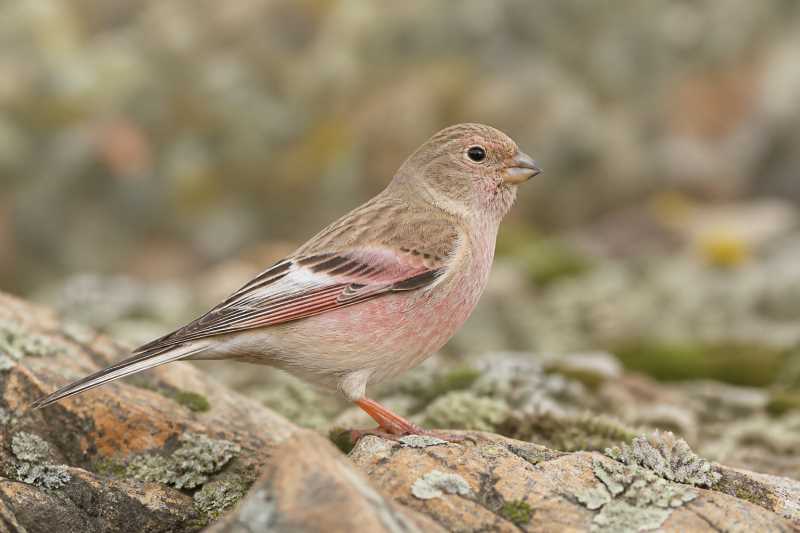
The Mongolian Finch is a small passerine bird, with a body length of approximately 12 to 14 centimeters and a wingspan ranging from 22 to 25 centimeters. The bird’s plumage is predominantly sandy-brown, providing excellent camouflage against the earth-toned landscapes it inhabits. This coloration is complemented by pale underparts and distinctive white wing bars that are visible in flight.
A notable feature of the Mongolian Finch is its conical beak, which is well-suited for cracking seeds—a primary component of its diet. The finch’s legs are sturdy, enabling it to navigate the rocky terrains of its habitat with ease. Males and females are similar in appearance, though males may exhibit slightly brighter plumage during the breeding season.
Behavioral Patterns
The behavior of the Mongolian Finch is as intriguing as its physical characteristics. These birds are generally gregarious, often forming small flocks outside the breeding season. Their social nature is particularly evident during foraging, where they can be seen hopping and fluttering in search of seeds.
During the breeding season, which typically occurs from May to July, Mongolian Finches become more territorial. Males engage in elaborate courtship displays, singing melodious songs to attract females. Their nests are usually built on the ground, hidden among rocks or low vegetation, providing protection from predators and harsh weather.
The finch’s vocalizations are a series of sweet, tinkling notes, which serve as both a mating call and a means of communication within flocks. These calls are crucial for maintaining social cohesion, especially in the vast and open landscapes they inhabit.
Diet and Feeding Habits
The diet of the Mongolian Finch is primarily composed of seeds, which it skillfully extracts using its robust beak. The finch favors seeds from the sparse vegetation found in its habitat, including grasses and shrubs. During the breeding season, insects may also form a part of its diet, providing essential nutrients for growing chicks.
Foraging typically occurs in the early morning and late afternoon, when temperatures are cooler. The finches can often be observed hopping along the ground, using their keen eyesight to locate seeds. Their ability to exploit limited food resources is a key factor in their survival in arid environments.
Conservation Status
Despite the challenging conditions of its habitat, the Mongolian Finch is currently classified as a species of "Least Concern" by the International Union for Conservation of Nature (IUCN). This classification is due to the bird’s wide distribution and stable population trends. However, ongoing habitat degradation and climate change pose potential threats.
Human activities, such as agriculture and mining, are leading to habitat loss and fragmentation in some regions. Additionally, climate change may exacerbate these threats by altering the availability of food and water resources. Conservation efforts focused on habitat preservation and sustainable land use practices are essential to ensure the long-term survival of the Mongolian Finch.
Conclusion
The Mongolian Finch is a remarkable example of evolutionary adaptation and resilience. Its ability to thrive in some of the harshest environments on Earth highlights the intricate balance between species and their habitats. As we continue to explore and understand the natural world, the Mongolian Finch serves as a reminder of the importance of conservation and the need to protect the delicate ecosystems that support diverse forms of life.
By studying this resilient songbird, we gain insights not only into its own survival strategies but also into the broader ecological dynamics of arid regions. Continued research and conservation efforts are crucial to preserving the Mongolian Finch and the unique landscapes it calls home.
As we move forward, it is vital to recognize the interconnectedness of all species and the role each plays in maintaining the health and diversity of our planet’s ecosystems. The Mongolian Finch, with its delicate song and hardy nature, is a testament to the beauty and complexity of life on Earth.
Related posts