Cyclops Roundleaf Bat: A Comprehensive Guide
Introduction
The Cyclops Roundleaf Bat, scientifically known as Doryrhina cyclops, is a fascinating species of bat that has intrigued researchers and wildlife enthusiasts alike. As part of the family Hipposideridae, this bat is distinguished by its unique facial structure and echolocation capabilities. This comprehensive article delves into the various aspects of the Cyclops Roundleaf Bat, exploring its physical characteristics, natural habitat, behavioral patterns, and conservation status. By understanding these elements, we can appreciate the role this species plays in its ecosystem and the challenges it faces.
Physical Description
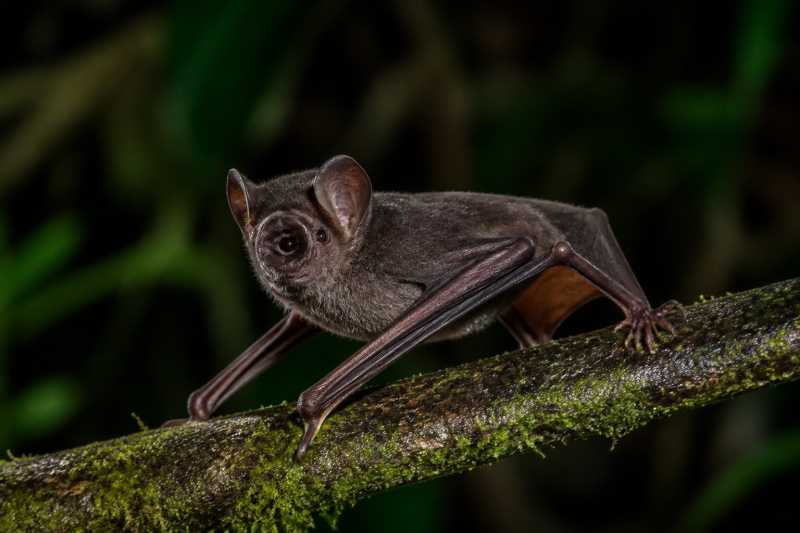
The Cyclops Roundleaf Bat is a medium-sized bat characterized by its distinctive noseleaf, which resembles a cyclops, hence the name. The noseleaf is a crucial adaptation that aids in echolocation, allowing the bat to navigate and hunt efficiently in complete darkness. The fur of this bat is soft and varies in color from light brown to a darker, chestnut hue. Adult bats typically weigh between 20 to 35 grams, with a wingspan ranging from 30 to 35 centimeters.
One of the defining features of the Cyclops Roundleaf Bat is its round, inflated nostrils, which play a critical role in its sonar abilities. The ears are relatively large and rounded, aiding in its acute sense of hearing. The eyes, though small, are adapted to low-light conditions, complementing its nocturnal lifestyle.
Range and Habitat
The Cyclops Roundleaf Bat is primarily found in the tropical and subtropical regions of Africa. Its range extends across several countries, including Cameroon, Gabon, Ghana, and the Democratic Republic of the Congo. This species prefers dense forest habitats, where it can find ample food and roosting sites.
These bats are typically found in lowland forests, swamps, and occasionally in savannahs with substantial tree cover. They often roost in caves, hollow trees, and abandoned buildings, where they can form colonies ranging from a few individuals to several hundred. The preference for secluded and dark roosting sites helps protect them from predators and environmental disturbances.
Behavior and Diet
Cyclops Roundleaf Bats are nocturnal creatures, emerging at dusk to forage for food. Their diet primarily consists of insects, making them crucial for pest control in their ecosystems. They employ a sophisticated echolocation system to hunt, emitting high-frequency sound waves that bounce off objects and return as echoes, allowing the bat to pinpoint the location of its prey.
These bats are known for their agile flying patterns, capable of maneuvering through dense foliage to capture insects mid-flight. Socially, Cyclops Roundleaf Bats are gregarious, often forming large colonies for roosting. These colonies provide warmth and protection and facilitate social interactions among individuals.
Reproduction in Cyclops Roundleaf Bats typically occurs once a year, with females giving birth to a single pup. The young are cared for in nursery colonies, where they remain until they are capable of flight and independent hunting.
Identification Tips (Field Recognition Cues)
Identifying the Cyclops Roundleaf Bat in the field can be challenging due to its nocturnal habits and the dense habitats it frequents. However, there are several cues that can aid in recognition:
- Noseleaf Structure: Look for the distinctive round noseleaf with an inflated appearance, a key feature that differentiates it from other bat species.
- Echolocation Calls: Listen for the high-pitched echolocation calls, often detectable with the use of a bat detector.
- Roosting Habits: Check for roosts in caves, hollow trees, or abandoned structures, especially in forested areas.
- Flight Pattern: Observe the agile and swift flight patterns during dusk and dawn when they are most active.
- Colony Size: Large colonies can be a good indicator, as this species is known for its social nature.
Conservation Status (With Threats and Protections)
The Cyclops Roundleaf Bat is currently classified as "Least Concern" by the International Union for Conservation of Nature (IUCN). Despite this relatively secure status, the species faces several threats that could impact its populations in the future.
Threats
- Habitat Loss: Deforestation and land conversion for agriculture are significant threats, as they lead to the loss of roosting and foraging habitats.
- Human Disturbance: Increased human activities near roosting sites can lead to disturbances that affect the bat’s ability to thrive.
- Climate Change: Changes in climate patterns can alter the availability of prey and suitable habitats.
Protections
Efforts to conserve the Cyclops Roundleaf Bat include protecting natural habitats through the establishment of national parks and reserves. Education and awareness campaigns aim to reduce human disturbance and promote coexistence. Conservationists also advocate for sustainable land-use practices that minimize habitat destruction.
Frequently Asked Questions
1. What is the primary diet of the Cyclops Roundleaf Bat?
The Cyclops Roundleaf Bat primarily feeds on insects. It uses echolocation to hunt for insects at night, playing a crucial role in controlling pest populations.
2. Where can the Cyclops Roundleaf Bat be found?
This bat species is found in the tropical and subtropical regions of Africa, including countries like Cameroon, Gabon, and Ghana. It prefers dense forests and swamps for its habitat.
3. How does the Cyclops Roundleaf Bat use echolocation?
The Cyclops Roundleaf Bat uses echolocation by emitting high-frequency sound waves that bounce off objects. The returning echoes help it navigate and locate prey in total darkness.
4. Are Cyclops Roundleaf Bats endangered?
Currently, the Cyclops Roundleaf Bat is listed as "Least Concern" by the IUCN. However, it faces threats from habitat loss and human disturbance, which could impact its populations.
5. How do Cyclops Roundleaf Bats contribute to their ecosystem?
These bats are essential for insect control, helping to maintain ecological balance. Their presence indicates a healthy environment and biodiversity.
Related posts