The Enigmatic Maui ‘Ākepa: A Jewel of Hawaiian Avifauna
The Hawaiian Islands, a paradise of biodiversity, are home to a myriad of unique species that have evolved in isolation over millions of years. Among these remarkable species is the Maui ‘Ākepa (Loxops ochraceus), a small, vibrant bird endemic to the island of Maui. This article delves into the fascinating world of the Maui ‘Ākepa, exploring its habitat, behavior, conservation status, and the critical efforts being made to ensure its survival.
A Rare Gem: Description and Characteristics
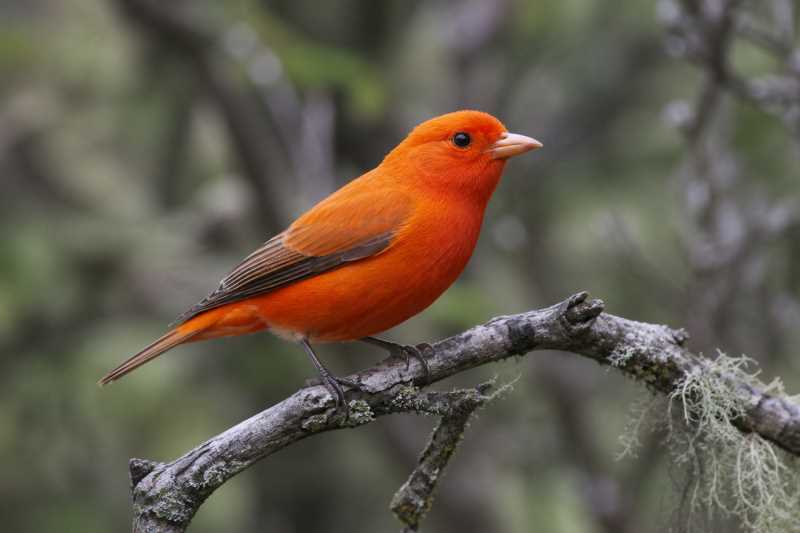
The Maui ‘Ākepa is a member of the Hawaiian honeycreeper family, a group of birds renowned for their diverse adaptations and striking appearances. The ‘Ākepa is easily recognizable by its small size, measuring approximately 4 inches in length. Adult males are particularly eye-catching, boasting a bright orange plumage that contrasts sharply with their black wings and tail. Females and juveniles, meanwhile, display a more subdued olive-green coloration.
One of the Maui ‘Ākepa’s most distinctive features is its unique cross-bill, which is slightly curved and adapted for prying open leaf buds and extracting insects. This specialized bill highlights the bird’s ecological niche and its role in the island’s ecosystem as both a pollinator and a controller of insect populations.
Habitat and Distribution
Historically, the Maui ‘Ākepa inhabited a range of forested environments across Maui. However, its current distribution is primarily restricted to high-elevation cloud forests on the windward slopes of Haleakalā. These forests, characterized by dense vegetation and frequent mist, provide the ideal habitat for the ‘Ākepa, offering abundant food resources and protection from predators.
The bird’s dependence on native Hawaiian flora, such as ‘ōhi‘a lehua (Metrosideros polymorpha) and koa (Acacia koa), underscores the intricate connections within the island’s ecosystems. These trees not only supply essential food sources but also serve as nesting sites, where the ‘Ākepa builds its small, cup-shaped nests in the canopy.
Behavior and Diet
The Maui ‘Ākepa is an active forager, often observed flitting among the treetops in search of food. Its diet primarily consists of insects and spiders, which it skillfully extracts from leaf buds and bark using its specialized bill. Additionally, the ‘Ākepa plays a crucial role in pollination; as it feeds on nectar from native flowers, pollen adheres to its feathers, facilitating the cross-pollination of plants.
Socially, the Maui ‘Ākepa is known for its cooperative breeding behavior. It often forms small family groups, with offspring from previous broods helping to raise new chicks. This cooperative strategy enhances the survival chances of the young and strengthens the social bonds within the group.
Conservation Status and Challenges
The Maui ‘Ākepa is currently listed as Critically Endangered by the International Union for Conservation of Nature (IUCN), with its population estimated to number fewer than 500 individuals. Several factors contribute to its precarious status, including habitat loss, introduced predators, and diseases such as avian malaria.
Habitat destruction, primarily due to logging and land conversion for agriculture, has significantly reduced the extent of native forests on Maui. Invasive plant species further exacerbate this issue, outcompeting native flora and altering the composition of the forest ecosystem.
Predation by introduced species, such as rats and feral cats, poses another significant threat to the ‘Ākepa. These predators target eggs and young birds, leading to high mortality rates. Moreover, the spread of avian diseases, carried by non-native mosquitoes, has had devastating effects on many Hawaiian bird populations, including the ‘Ākepa.
Conservation Efforts and Future Prospects
Efforts to conserve the Maui ‘Ākepa are multifaceted, involving habitat restoration, predator control, and disease management. Conservation organizations and government agencies are actively engaged in reforestation projects, replanting native species to restore degraded habitats and expand the available range for the ‘Ākepa.
Predator control programs, employing techniques such as trapping and fencing, aim to reduce the impact of invasive species on native bird populations. Additionally, research into mosquito control methods, including the use of biological agents and habitat modifications, seeks to mitigate the spread of avian diseases.
Captive breeding programs have also been initiated to bolster wild populations. By breeding ‘Ākepa in controlled environments and releasing them into protected habitats, conservationists hope to increase the genetic diversity and resilience of the species.
Community Involvement and Education
Public awareness and community involvement are crucial components of successful conservation strategies. Educational programs aimed at both residents and visitors emphasize the importance of preserving Maui’s unique biodiversity and the role each individual can play in conservation efforts.
Community-based initiatives, such as volunteer tree planting and habitat restoration projects, foster a sense of stewardship among local residents. These programs not only contribute to the recovery of the Maui ‘Ākepa but also strengthen community ties and promote a culture of conservation.
Conclusion
The Maui ‘Ākepa is a symbol of the ecological wonder and fragility of the Hawaiian Islands. Its survival depends on concerted efforts to address the myriad challenges it faces. Through habitat restoration, predator and disease management, and active community involvement, there is hope that this vibrant bird will continue to grace the skies of Maui for generations to come.
As we strive to protect the Maui ‘Ākepa, we are reminded of the broader imperative to preserve the rich tapestry of life on Earth, recognizing that each species plays a vital role in maintaining the health and balance of our planet’s ecosystems.
Related posts