Introduction
The Southern Yellow Bat (Lasiurus ega) is a fascinating species of bat that belongs to the family Vespertilionidae. Known for its distinctive yellowish fur and unique ecological role, this bat species is primarily found in the southern regions of North America, extending through Central America and into parts of South America. The Southern Yellow Bat is adapted to a variety of habitats, including urban environments, making it an interesting subject of study for both bat enthusiasts and researchers interested in urban ecology.
As a member of the genus Lasiurus, the Southern Yellow Bat shares its lineage with several other bat species known for their striking fur colors and patterns. This bat plays a crucial role in insect control, as it feeds predominantly on nocturnal insects. Given its ecological significance, understanding the biology, behavior, and conservation needs of the Southern Yellow Bat is essential.
Physical Description
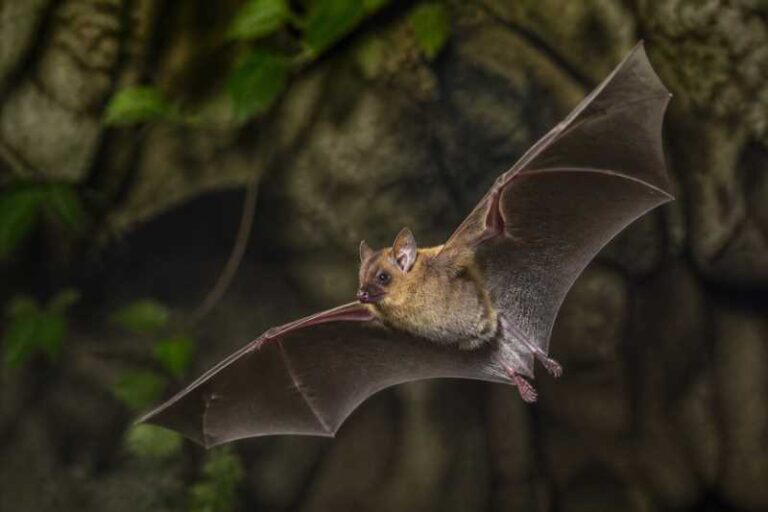
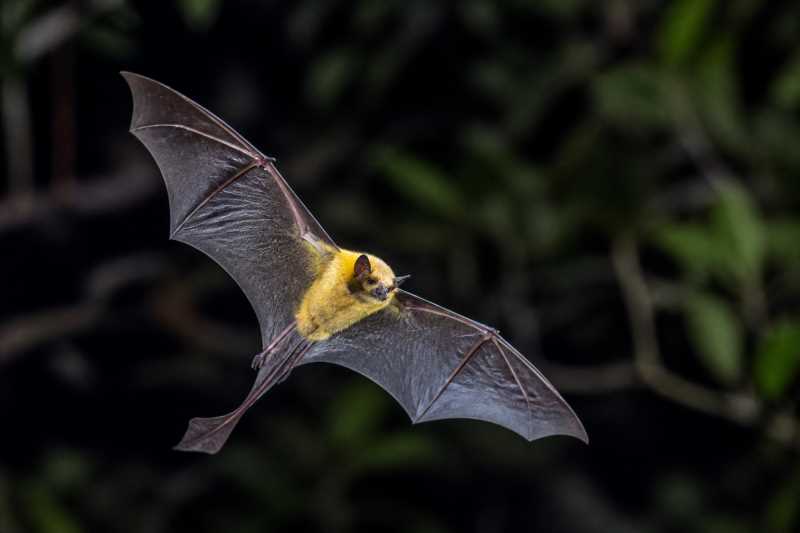
The Southern Yellow Bat is easily recognizable due to its unique coloration. Its fur is typically a bright yellow to orange-brown, which can vary in intensity depending on geographic location and individual variation. This coloration provides excellent camouflage among the leaves and bark of trees where it roosts.
Adults generally have a body length ranging from 5.5 to 7.5 centimeters, with a wingspan of approximately 28 to 34 centimeters. The bat’s tail is partially enclosed in the interfemoral membrane, a characteristic feature of the Lasiurus genus. The ears are relatively short and rounded, complementing its streamlined body, which aids in swift and agile flight.
The Southern Yellow Bat’s fur is dense and soft, providing insulation and protection against temperature fluctuations. This adaptation is particularly useful for bats living in regions with variable climates.
Range and Habitat
The Southern Yellow Bat is primarily found in the southern United States, including parts of Texas, New Mexico, and Arizona. Its range extends through Mexico and Central America, reaching as far south as Argentina in South America. This extensive range showcases the bat’s adaptability to diverse environments.
Preferred habitats for the Southern Yellow Bat include forested areas, woodlands, and areas with abundant tree cover. However, these bats are also known to adapt to urban settings, often roosting in palm trees, which are commonly planted in many urban areas. This adaptability to human-altered landscapes highlights the species’ resilience and versatility.
In natural settings, Southern Yellow Bats often roost in tree foliage, using their coloration as camouflage. They may also inhabit hollow trees or occupy the spaces beneath loose bark. The availability of suitable roosting sites is a critical factor influencing their distribution and abundance.
Behavior and Diet
The Southern Yellow Bat is primarily nocturnal, emerging from its roost at dusk to forage for food. It is an insectivorous species, feeding on a variety of nocturnal insects, including moths, beetles, and flying ants. This diet makes the Southern Yellow Bat an important natural pest controller, contributing to the balance of ecosystems by regulating insect populations.
These bats employ echolocation to navigate and hunt in the dark. By emitting high-frequency sound waves and listening for the returning echoes, they can accurately locate and capture their prey even in complete darkness. This sophisticated hunting technique is a hallmark of many bat species and underscores their role in maintaining ecological balance.
Social interactions among Southern Yellow Bats are relatively limited. They are typically solitary or form small groups, especially during the breeding season. Reproduction occurs once a year, with females giving birth to one or two pups after a gestation period of about three months. The young are born blind and helpless, relying on their mothers for warmth and nourishment until they are capable of flight and independent foraging.
Identification Tips (Field Recognition Cues)
Identifying the Southern Yellow Bat in the field can be facilitated by several key characteristics:
- Fur Coloration: Look for the distinctive yellow to orange-brown fur, which is a primary identifying feature.
- Size and Shape: Note the bat’s medium size, with a wingspan of 28 to 34 centimeters, and its streamlined body.
- Roosting Habits: Observe potential roosting sites such as palm trees, tree foliage, or under loose bark where these bats may be hidden during the day.
- Behavior: Watch for their emergence at dusk, as they are nocturnal and will be active during the early evening hours.
- Flight Pattern: Southern Yellow Bats have a swift, agile flight, often seen darting among trees as they hunt for insects.
Conservation Status (with Threats and Protections)
The Southern Yellow Bat is currently classified as a species of Least Concern by the International Union for Conservation of Nature (IUCN). However, like many bat species, they face various threats that could impact their populations if not managed properly.
Threats:
- Habitat Loss: Deforestation and urban development can lead to the loss of natural roosting sites. As urban areas expand, suitable roosting trees may be removed or fragmented.
- Pesticide Use: The widespread use of pesticides can reduce the availability of insect prey and may also pose direct toxicological threats to bats.
- Climate Change: Changes in climate can affect the availability of food resources and suitable habitats, impacting bat populations.
Protections:
Conservation efforts for the Southern Yellow Bat include habitat preservation and management. Protecting natural roosting sites and promoting bat-friendly practices in urban landscapes are crucial. Additionally, public education on the ecological benefits of bats can foster greater appreciation and support for conservation measures.
Research and monitoring programs are essential to track population trends and assess the impacts of threats. These efforts can inform conservation strategies and policy decisions aimed at ensuring the long-term survival of the Southern Yellow Bat.
Frequently Asked Questions
- What do Southern Yellow Bats eat?
Southern Yellow Bats are insectivorous, primarily feeding on moths, beetles, and flying ants. Their diet helps control insect populations, benefiting both natural and urban ecosystems.
- Where do Southern Yellow Bats live?
They are found in the southern United States, Mexico, Central America, and parts of South America. They inhabit forested areas, woodlands, and urban settings with suitable roosting sites like palm trees.
- How do Southern Yellow Bats use echolocation?
These bats emit high-frequency sound waves that bounce off objects and return as echoes, allowing them to navigate and locate prey in complete darkness.
- Are Southern Yellow Bats endangered?
Currently, the Southern Yellow Bat is classified as Least Concern, but they face threats such as habitat loss and pesticide use, which could impact their populations if not addressed.
- How can I attract Southern Yellow Bats to my garden?
You can attract bats by planting native trees and shrubs, providing water sources, and minimizing pesticide use. Installing bat houses can also offer roosting sites.
Related posts