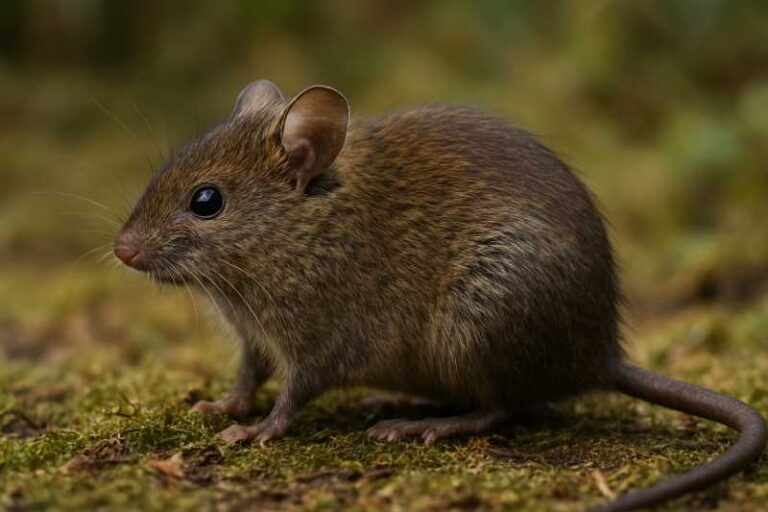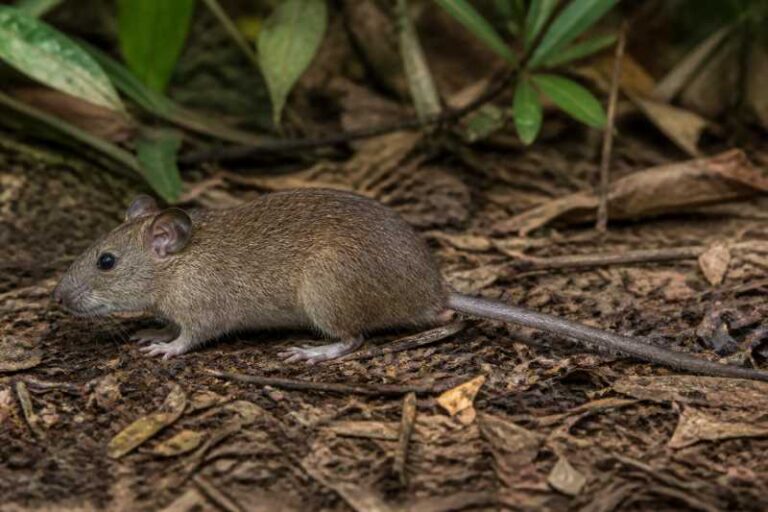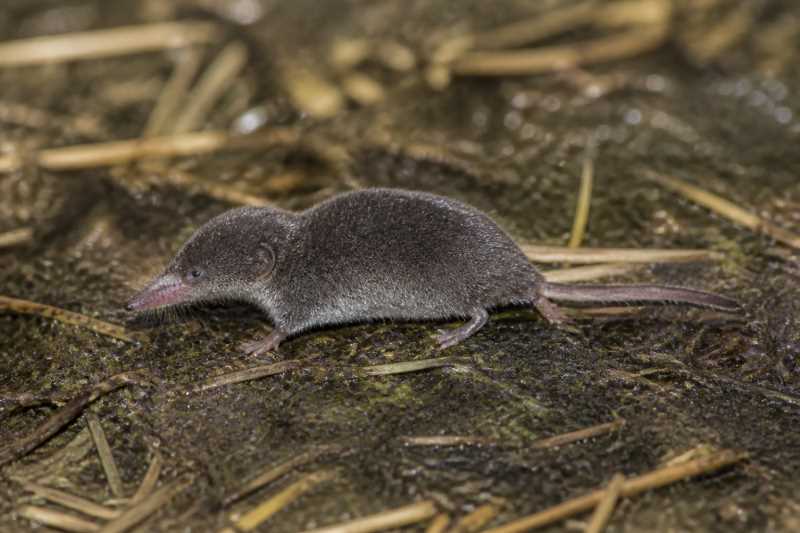
Marsh Shrew (Sorex bendirii)
Introduction
The Marsh Shrew, scientifically known as Sorex bendirii, is a small, semi-aquatic mammal that is often overlooked due to its elusive nature and specific habitat preferences. As a member of the Soricidae family, this fascinating creature is an integral part of the ecosystems it inhabits, serving as both predator and prey. The Marsh Shrew is notable for its adaptation to wetland environments, where it plays a vital role in maintaining ecological balance. This article aims to provide a comprehensive overview of the Marsh Shrew, exploring its physical characteristics, habitat, behavior, and the conservation challenges it faces.
Physical Description
The Marsh Shrew is a small mammal, typically measuring between 14 to 16 centimeters in length, including its elongated tail, which can make up about half of its total length. It weighs approximately 14 to 20 grams. This shrew is characterized by its dense, water-repellent fur, which is dark brown to black on the dorsal side and lighter on the ventral side. Its fur not only provides insulation in cold, wet environments but also aids in buoyancy while swimming.
The Marsh Shrew has a pointed snout, small eyes, and ears that are often hidden by its fur, adaptations that are common among shrews. Notably, it has large hind feet and partially webbed toes, which are key adaptations for its semi-aquatic lifestyle, enabling it to swim efficiently in search of food.
Range and Habitat
The Marsh Shrew is predominantly found in the Pacific Northwest region of North America, with its range extending through parts of the United States and Canada. It is commonly associated with wetland habitats, including marshes, swamps, and along the banks of slow-moving streams and rivers. This species prefers areas with abundant vegetation and a thick layer of leaf litter, which provides cover from predators and supports a rich invertebrate community for feeding.
These shrews are primarily found at low elevations, but they may also inhabit mountainous regions where suitable wetland habitats exist. Their preference for specific habitats makes them sensitive to environmental changes, particularly those affecting water quality and availability.
Behavior and Diet
Marsh Shrews are primarily nocturnal, although they may be active during the day in undisturbed habitats. They are known for their high metabolic rate, which necessitates frequent feeding. Their diet consists mainly of aquatic and terrestrial invertebrates, such as insects, worms, snails, and other small creatures. They have also been observed preying on small fish and amphibians.
These shrews are skilled swimmers, using their webbed hind feet to propel themselves through the water. They can dive and swim underwater to catch prey, a behavior that distinguishes them from many other shrew species. Marsh Shrews are solitary creatures, with each individual maintaining a territory that it defends from intruders.
Identification Tips
Identifying the Marsh Shrew in the field can be challenging due to its secretive nature and preference for dense, wetland habitats. However, there are several key characteristics to look for:
- Size and Shape: Note the small size and elongated body typical of shrews, with a proportionally long tail.
- Fur Coloration: Look for the dark brown to black fur on the back and lighter underparts.
- Foot Structure: Examine the hind feet for partial webbing, which is unique among shrews in this region.
- Behavior: Observe any swimming or diving behavior, as this is indicative of the Marsh Shrew’s semi-aquatic lifestyle.
- Habitat: Check wetland areas with dense vegetation and proximity to water, as these are the preferred environments for the species.
Conservation Status
The Marsh Shrew is currently listed as a species of Least Concern by the International Union for Conservation of Nature (IUCN). However, its population is threatened by habitat loss and degradation, primarily due to human activities such as agriculture, urban development, and pollution.
Wetland drainage and water pollution pose significant threats to their habitat, reducing the availability of prey and suitable living conditions. Conservation efforts are focused on preserving wetland habitats and maintaining water quality. Protective measures include the establishment of protected areas and the implementation of environmental regulations aimed at reducing pollution and habitat destruction.
Frequently Asked Questions
What is unique about the Marsh Shrew’s diet?
The Marsh Shrew’s diet is unique due to its reliance on both aquatic and terrestrial invertebrates. Unlike many other shrew species, it can catch prey underwater, including small fish and amphibians.
How does the Marsh Shrew adapt to its wetland habitat?
The Marsh Shrew has several adaptations for living in wetlands, including water-repellent fur, webbed hind feet for swimming, and a high metabolism that allows it to thrive in the dense vegetation of its habitat.
Where can I find the Marsh Shrew in the wild?
You can find the Marsh Shrew in wetland habitats throughout the Pacific Northwest, particularly in marshes, swamps, and along slow-moving water bodies with abundant vegetation.
What are the primary threats to the Marsh Shrew?
The primary threats to the Marsh Shrew include habitat loss due to wetland drainage, pollution, and urban development, which degrade the quality and availability of its natural habitat.
How can we help protect the Marsh Shrew?
Protecting the Marsh Shrew involves conserving wetland habitats, enforcing environmental regulations to reduce pollution, and supporting conservation programs aimed at preserving biodiversity in its native regions.
Related posts