Nordmann’s Greenshank: A Conservation Priority in Avian Biodiversity
Nordmann’s Greenshank, scientifically known as Tringa guttifer, is a remarkable yet critically endangered shorebird that has captured the attention of conservationists worldwide. This species, characterized by its distinctive plumage and migratory patterns, faces numerous challenges that threaten its survival. Understanding the ecological significance, behavioral traits, and conservation needs of Nordmann’s Greenshank is essential for the preservation of this unique bird and the broader ecosystem it inhabits.
Taxonomy and Identification
Nordmann’s Greenshank belongs to the family Scolopacidae, which includes sandpipers and related birds. First described by Johann Friedrich von Brandt in 1843, this species was named in honor of the German naturalist Alexander von Nordmann. The bird is medium-sized, measuring approximately 29 to 32 centimeters in length, with a wingspan reaching up to 70 centimeters.
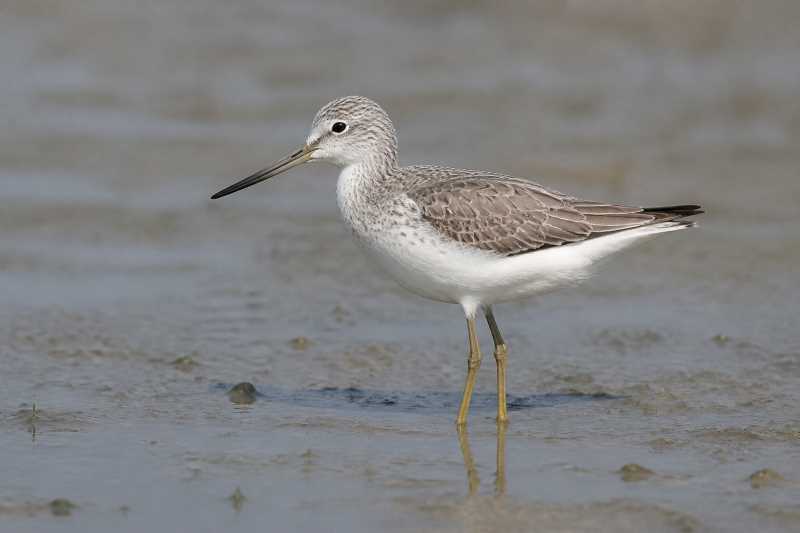
Identifying features of Nordmann’s Greenshank include its long, slightly upturned bill, and a striking plumage that varies seasonally. During the breeding season, adults exhibit a mottled brown and white appearance, which shifts to a more uniform grey and white during the non-breeding season. Their legs are a distinguishing light yellowish-green, contributing to their common name.
Habitat and Distribution
The natural habitat of Nordmann’s Greenshank is predominantly coastal, encompassing tidal flats, estuaries, and mangrove swamps. These environments provide the necessary resources for feeding and breeding. Historically, its breeding range extended across the coastal regions of eastern Russia, including the Kamchatka Peninsula and the Sea of Okhotsk.
During the non-breeding season, Nordmann’s Greenshank migrates to the coastal wetlands of Southeast Asia, including Thailand, Malaysia, and Indonesia. This migration is crucial for their survival, as it allows them to exploit different ecological niches and avoid harsh climatic conditions.
Behavior and Diet
Nordmann’s Greenshank is known for its unique foraging behavior, often seen wading through shallow waters in search of food. Its diet primarily consists of small invertebrates, including crustaceans, mollusks, and insects. The bird uses its long bill to probe the mudflats and sandy shores, extracting prey with precision.
Socially, Nordmann’s Greenshank tends to be solitary or found in small groups, especially during the breeding season. However, during migration and in wintering grounds, they may form larger flocks with other shorebird species, a behavior that provides increased protection against predators.
Conservation Status and Threats
Classified as "Critically Endangered" by the International Union for Conservation of Nature (IUCN), Nordmann’s Greenshank faces a precarious future. The global population is estimated to be between 500 and 1,000 individuals, with a declining trend due to several anthropogenic threats.
Habitat destruction is the primary threat to their survival. Coastal development, pollution, and land reclamation for agriculture and aquaculture have significantly reduced the available habitat for breeding and foraging. Additionally, climate change poses long-term risks, altering tidal patterns and increasing the frequency of extreme weather events.
Illegal hunting and poaching in some parts of their range further exacerbate their vulnerability. Despite international legal protections, enforcement remains a challenge, particularly in remote regions where monitoring is limited.
Conservation Efforts and Future Prospects
Addressing the plight of Nordmann’s Greenshank requires a multifaceted conservation strategy. Key initiatives include habitat restoration and protection, legal enforcement against hunting, and international cooperation among countries along their migratory route.
Efforts to protect and restore tidal flats and wetlands are crucial. These ecosystems not only support the Nordmann’s Greenshank but also serve as vital habitats for numerous other species. International frameworks like the Ramsar Convention on Wetlands and the East Asian-Australasian Flyway Partnership play pivotal roles in coordinating conservation actions across borders.
Community engagement and education are equally important. Raising awareness about the bird’s endangered status can foster local stewardship and reduce destructive practices. Involving local communities in conservation initiatives ensures long-term success by aligning their livelihoods with ecological sustainability.
Research and monitoring are ongoing to better understand the species’ ecology and inform conservation strategies. Satellite tracking and banding studies provide valuable data on migratory patterns, while population surveys help assess the effectiveness of conservation interventions.
Conclusion
Nordmann’s Greenshank is a symbol of the delicate balance within coastal ecosystems. Its survival is intricately linked to the health of the habitats it occupies and the actions of humanity. By prioritizing conservation efforts and fostering international collaboration, we can ensure that future generations will continue to witness the beauty and ecological significance of Nordmann’s Greenshank.
Preserving this species is not merely about saving a single bird; it is about maintaining the integrity of biodiversity and the intricate web of life that sustains our planet.
Related posts