Oaxacan Highlands Harvest Mouse (Reithrodontomys albilabris)
Introduction
The Oaxacan Highlands Harvest Mouse, scientifically known as Reithrodontomys albilabris, is a small rodent species belonging to the Cricetidae family. This species is endemic to the highlands of Oaxaca, Mexico, where it plays a crucial role in the local ecosystems. Despite its relatively obscure status, the Oaxacan Highlands Harvest Mouse is an intriguing species worthy of attention due to its unique adaptations and ecological role.
Physical Description
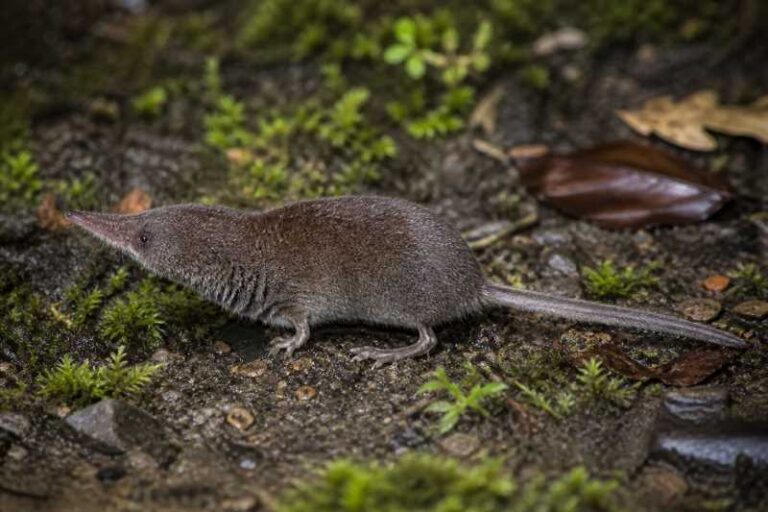
The Oaxacan Highlands Harvest Mouse is a small rodent characterized by its soft, dense fur and distinctive facial markings. Adult mice typically measure about 12 to 16 centimeters in total length, including their tails, which are slightly shorter than their bodies. Their fur is generally a mix of gray and brown, providing excellent camouflage against the rocky and vegetative landscapes they inhabit. A notable feature of this species is its white labial area, which is reflected in its scientific name, albilabris, meaning “white lips.” This characteristic, along with their large, rounded ears and sharp incisors, aids in distinguishing them from other similar species.
Range and Habitat
The Oaxacan Highlands Harvest Mouse is primarily found in the montane regions of Oaxaca, a state located in southern Mexico. Its habitat range includes altitudes between 1,500 and 3,000 meters, where it thrives in temperate forests, grasslands, and areas with dense underbrush. These mice are well adapted to the cooler, more humid climates of the highlands, relying on the abundant forest cover and vegetation for shelter and food.
Their preference for high-altitude habitats provides them with a niche that reduces competition with other rodent species. However, this specialization also makes them vulnerable to habitat changes, particularly those resulting from human activities such as deforestation and land conversion for agriculture.
Behavior and Diet
The Oaxacan Highlands Harvest Mouse is primarily nocturnal, spending most of its active hours foraging for food during the night. This behavior helps them avoid many daytime predators, such as birds of prey. They are known for their agility and speed, which they use to navigate the complex terrain of their habitat.
These mice are omnivorous, with a diet consisting mainly of seeds, fruits, and small invertebrates. This varied diet allows them to adapt to seasonal changes in food availability, although they exhibit a preference for seeds due to their high energy content. Their foraging behavior plays a significant role in seed dispersal, which is vital for maintaining the health and diversity of their ecosystem.
Identification Tips (Field Recognition Cues)
Identifying the Oaxacan Highlands Harvest Mouse in the field requires careful observation of several key features:
- Size and Shape: Look for a small rodent with a body length of approximately 12 to 16 cm, including a proportionally shorter tail.
- Fur Coloration: Note the subtle blend of gray and brown fur, which serves as effective camouflage.
- Facial Markings: The white labial area is a distinctive feature that sets this species apart from similar rodents.
- Ears and Eyes: Large, rounded ears and bright eyes are characteristic of this species, enhancing their sensory capabilities.
- Behavior: Observe their nocturnal activity patterns, especially their agile movements through dense vegetation.
Conservation Status (With Threats and Protections)
The Oaxacan Highlands Harvest Mouse is currently listed as a species of Least Concern on the IUCN Red List. However, this status does not imply that the species is free from threats. Habitat loss due to deforestation and agricultural expansion poses significant challenges to their survival. Additionally, climate change may alter their highland habitats, further impacting their populations.
Conservation efforts for this species include habitat protection and restoration initiatives. Protected areas within Oaxaca provide some refuge, but ongoing monitoring and research are essential to ensure their long-term survival. Public awareness campaigns can also help mitigate habitat destruction by promoting sustainable land-use practices.
Frequently Asked Questions
What is the habitat range of the Oaxacan Highlands Harvest Mouse?
The Oaxacan Highlands Harvest Mouse is found in the montane regions of Oaxaca, Mexico, inhabiting altitudes between 1,500 and 3,000 meters. They thrive in temperate forests and grasslands with dense underbrush.
How can I identify an Oaxacan Highlands Harvest Mouse in the wild?
Look for a small rodent with gray and brown fur, a distinctive white labial area, large rounded ears, and bright eyes. They are nocturnal and agile, often seen foraging at night.
What are the main threats to the Oaxacan Highlands Harvest Mouse?
The primary threats include habitat loss due to deforestation and agriculture, as well as potential impacts from climate change that could alter their highland ecosystems.
Are there any conservation efforts in place for this species?
Yes, conservation efforts include habitat protection through the establishment of protected areas and initiatives to promote sustainable land use. Ongoing research and public awareness campaigns are also crucial.
What role does the Oaxacan Highlands Harvest Mouse play in its ecosystem?
As an omnivore, this mouse aids in seed dispersal, contributing to plant diversity and forest regeneration. Their foraging activities help maintain the health of their montane ecosystems.
Related posts