Common Noctule (Nyctalus noctula): A Comprehensive Guide
Introduction
The Common Noctule (Nyctalus noctula) is one of the most fascinating bat species found across Europe and parts of Asia. Known for its remarkable flight capabilities and unique nocturnal habits, the Common Noctule plays a crucial role in its ecosystem. This article delves into the various aspects of the Common Noctule, providing insights into its physical characteristics, habitat, behavior, and conservation status.
Bats are often misunderstood creatures, yet they are vital for maintaining ecological balance. The Common Noctule, with its widespread presence, serves as an excellent subject to explore the broader world of bats and their environmental significance.
Physical Description
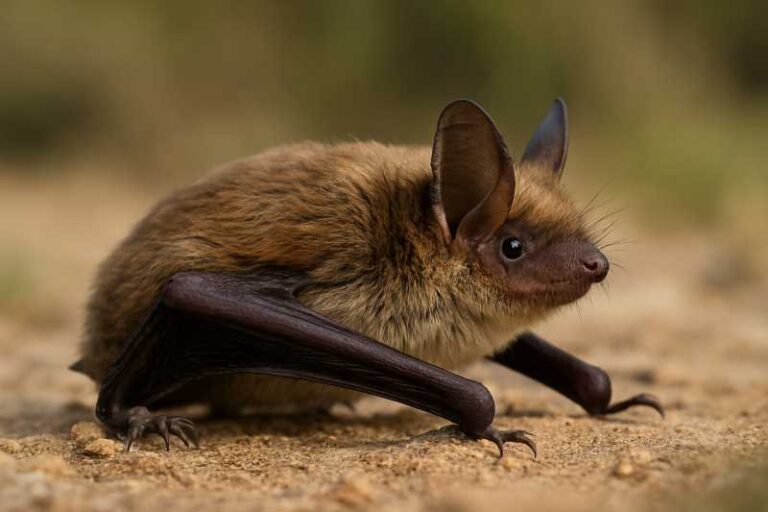
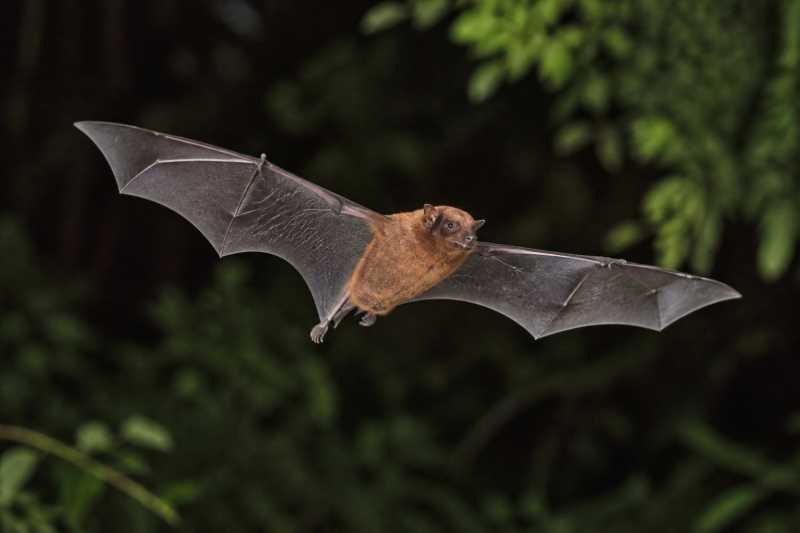
The Common Noctule is one of the largest bat species in Europe. It has a robust body and broad wings, which are adaptations that enable its swift and agile flight. The fur of the Common Noctule is typically a rich reddish-brown color, providing excellent camouflage among tree foliage.
Size and Weight
- Length: The body length ranges from 7.5 to 10 cm.
- Wingspan: The wingspan varies between 32 to 45 cm, facilitating efficient flight.
- Weight: They weigh between 18 to 40 grams, with males generally being slightly heavier than females.
Head and Features
The head of the Common Noctule is characterized by a short, broad snout and small, rounded ears. Its eyes are relatively small but adapted for low-light conditions. The species has a distinct facial structure with a slightly upturned nose, helping in echolocation.
Fur and Coloration
The fur of the Common Noctule is dense and soft, with a warm, reddish-brown hue. The underparts are usually lighter, sometimes appearing golden or cream-colored in certain lighting conditions. This coloration assists in blending into their arboreal habitats.
Range and Habitat
The Common Noctule is widely distributed across Europe and extends into parts of Asia. Its range includes countries from the United Kingdom in the west to Siberia in the east, and from Scandinavia in the north to the Mediterranean and parts of the Middle East.
Preferred Habitats
- Forests: Deciduous and mixed forests are prime habitats for the Common Noctule, where they roost in tree hollows.
- Urban Areas: They have adapted to urban environments, often roosting in buildings and other structures.
- Wetlands: Proximity to water bodies such as lakes and rivers is preferred due to the abundance of insects.
Seasonal Movements
The Common Noctule is known for its migratory behavior. During the colder months, some populations migrate southwards to warmer regions, while others may remain in their territories if conditions are favorable.
Behavior and Diet
The Common Noctule exhibits intriguing behavioral patterns, particularly its social structure and feeding habits.
Nocturnal Activity
As a nocturnal species, the Common Noctule is primarily active during the night. It emerges from its roost at dusk and can travel significant distances in search of food.
Echolocation
The species utilizes echolocation to navigate and hunt. It emits high-frequency sounds that bounce off objects, allowing it to detect prey and obstacles.
Social Structure
Common Noctules are social animals. During the breeding season, they form maternity colonies where females congregate to raise their young. Outside the breeding season, they may roost in smaller groups or individually.
Diet
The diet of the Common Noctule is predominantly insectivorous. It feeds on a variety of insects, including moths, beetles, and flies. Its hunting strategy involves catching prey mid-flight, demonstrating its remarkable aerial agility.
Identification Tips (Field Recognition Cues)
Identifying the Common Noctule in the field requires keen observation and an understanding of its distinctive features.
Visual Identification
- Size: Look for a relatively large bat with a wingspan of up to 45 cm.
- Color: Note the reddish-brown fur, which distinguishes it from other bat species.
- Flight Pattern: Observe its fast, direct flight, which is often at higher altitudes compared to other bats.
Auditory Identification
- Echolocation Calls: Use a bat detector to identify its echolocation calls, which are typically at frequencies between 20 and 25 kHz.
Roosting Sites
- Natural Roosts: Check hollow trees in forests, as these are common roosting sites.
- Urban Roosts: Look for signs of occupancy in building crevices and attics.
Conservation Status (with Threats and Protections)
The Common Noctule is classified as "Least Concern" by the International Union for Conservation of Nature (IUCN). However, it faces several threats that could impact its populations in the future.
Major Threats
- Habitat Loss: Deforestation and urban development reduce available roosting and foraging sites.
- Pesticides: The use of pesticides in agriculture can deplete insect populations, reducing food availability.
- Climate Change: Altered weather patterns can affect migration and breeding cycles.
Conservation Measures
- Protected Areas: Many regions have established protected areas that safeguard essential habitats.
- Legislation: Legal protections exist in several countries, prohibiting the disturbance or destruction of roosts.
- Research and Monitoring: Ongoing research and monitoring efforts are crucial for understanding population dynamics and implementing effective conservation strategies.
Frequently Asked Questions
What do Common Noctules eat?
Common Noctules primarily feed on insects such as moths, beetles, and flies. They are skilled hunters, catching prey mid-flight using echolocation to locate and track their targets.
Where do Common Noctules roost?
Common Noctules roost in a variety of locations, including hollow trees in forests and crevices in buildings within urban areas. They prefer secluded sites that offer protection from predators and environmental elements.
How do Common Noctules navigate in the dark?
Common Noctules use echolocation to navigate and hunt in the dark. They emit high-frequency sounds that bounce off objects, allowing them to create a mental map of their surroundings.
Are Common Noctules endangered?
Currently, the Common Noctule is not considered endangered and is classified as "Least Concern" by the IUCN. However, they face threats from habitat destruction, pesticide use, and climate change, which could impact their populations over time.
Can Common Noctules be found in urban areas?
Yes, Common Noctules have adapted to urban environments and can often be found roosting in buildings and other man-made structures. They are known to forage for insects in city parks and gardens.
Related posts