Introduction
The White-cheeked Macaque (Macaca leucogenys) is a newly discovered species of macaque that has captured the attention of primatologists and wildlife enthusiasts around the world. First documented in 2015, this elusive primate is primarily found in the forests of southeastern Tibet and northeastern India. The discovery of the White-cheeked Macaque has underscored the rich biodiversity of the Himalayan region and highlighted the importance of conservation efforts in these areas. As a member of the family Cercopithecidae, the White-cheeked Macaque shares several characteristics with other macaques but also exhibits unique features that distinguish it from its relatives.
Physical Description
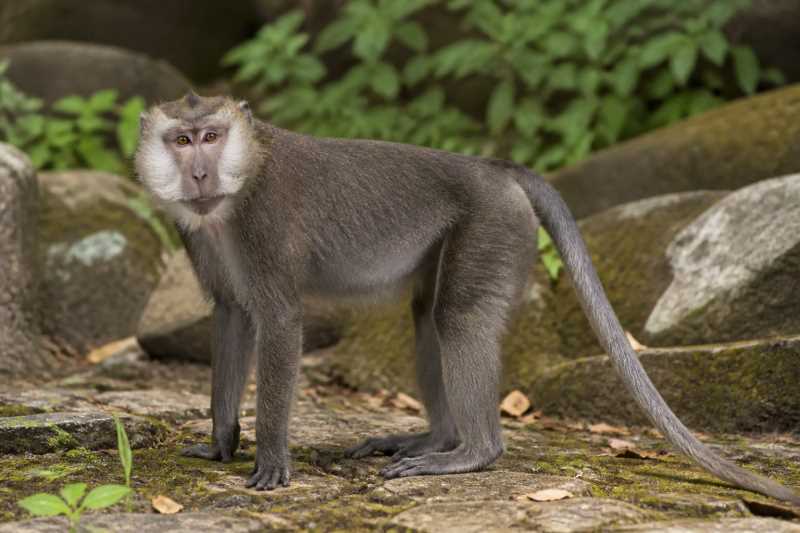
The White-cheeked Macaque is named for its distinctive white facial markings, which contrast sharply with its dark brown fur. These white patches are most prominently displayed on the cheeks, chin, and throat, giving the species its name. The macaque has a robust body, with males typically larger than females. Adult males weigh between 10-15 kg, while females weigh between 7-10 kg. The tail is relatively short compared to other macaque species, measuring around 20-30 cm in length. The macaque’s eyes are deep-set and expressive, surrounded by a ring of lighter fur which enhances their facial expressions.
Range and Habitat
The White-cheeked Macaque inhabits the dense, montane forests of southeastern Tibet and northeastern India, primarily in the Indian states of Arunachal Pradesh and possibly extending into Bhutan. These regions are characterized by high biodiversity and complex ecosystems, providing the macaques with a variety of habitats, from temperate broadleaf forests to subtropical evergreen forests. The altitude of these habitats ranges from 1,400 to 2,700 meters above sea level. The climatic conditions in these regions vary, with significant rainfall during the monsoon season, supporting lush vegetation that provides food and shelter for the macaques.
Behavior and Diet
White-cheeked Macaques are highly social animals that live in multi-male, multi-female groups known as troops. These troops can consist of anywhere from 10 to 30 individuals. The social structure is hierarchical, with dominant males and females leading the group. These macaques are known for their complex vocalizations and facial expressions, which facilitate communication within the troop.
Their diet is primarily frugivorous, consisting mainly of fruits and seeds. However, they are opportunistic feeders and will also consume leaves, flowers, insects, and small vertebrates when available. This dietary flexibility helps them survive in the varying conditions of their montane forest habitat.
Identification Tips (field recognition cues)
Identifying the White-cheeked Macaque in the field can be challenging due to their elusive nature and the dense habitats they occupy. However, several key characteristics can aid in identification:
- White Cheek Patches: Look for the distinctive white patches on the cheeks, which are the most prominent field marker.
- Short Tail: Compared to other macaques, the White-cheeked Macaque has a notably shorter tail.
- Dark Brown Fur: The overall body fur is dark brown, helping them blend into their forested environment.
- Social Behavior: Observing their social interactions can also be a clue, as they display a variety of vocalizations and facial expressions.
Conservation Status (with threats and protections)
Currently, the White-cheeked Macaque is listed as "Data Deficient" by the International Union for Conservation of Nature (IUCN) due to the limited information available regarding its population status and distribution. However, the species faces several threats that could impact its survival:
- Habitat Loss: Deforestation for agriculture and infrastructure development poses a significant threat to their habitats.
- Hunting and Poaching: In some regions, macaques are hunted for bushmeat and traditional medicine, which can lead to population declines.
- Climate Change: Changes in climate patterns can alter their habitats, affecting food availability and habitat suitability.
Conservation efforts are essential to ensure the survival of the White-cheeked Macaque. Protected areas, such as national parks and wildlife sanctuaries, play a crucial role in preserving their habitats. Additionally, further research is needed to better understand the ecology and behavior of this species, which will aid in developing effective conservation strategies.
Frequently Asked Questions
1. What distinguishes the White-cheeked Macaque from other macaques? The White-cheeked Macaque is primarily distinguished by its unique facial markings, particularly the white patches on its cheeks and throat, which are not present in other macaque species.
2. Where can the White-cheeked Macaque be found? This species is found in the montane forests of southeastern Tibet and northeastern India, particularly in Arunachal Pradesh, with potential sightings in Bhutan.
3. What does the White-cheeked Macaque eat? Their diet mainly consists of fruits and seeds, but they also consume leaves, flowers, insects, and small vertebrates, depending on availability.
4. How do White-cheeked Macaques communicate? They communicate through a combination of vocalizations, facial expressions, and body postures, which facilitate social interactions within their troops.
5. What are the conservation challenges facing the White-cheeked Macaque? The primary challenges include habitat loss due to deforestation, hunting, and the impacts of climate change, all of which threaten their survival.
Related posts