Introduction
The Madeira Pipistrelle, scientifically known as Pipistrellus maderensis, is a fascinating species of bat endemic to the Madeira archipelago. This small mammal is a member of the Vespertilionidae family, which comprises a diverse group commonly known as the vesper bats or evening bats. The Madeira Pipistrelle, along with its relatives, plays a crucial role in the ecosystem by controlling insect populations and contributing to the balance of natural habitats.
Bats, in general, are often misunderstood creatures, but their ecological importance cannot be overstated. In this article, we delve into the various aspects of the Madeira Pipistrelle, including its physical description, range and habitat, behavior and diet, identification tips, and conservation status. Our goal is to provide a comprehensive overview of this unique species, enhancing awareness and appreciation for its role in the environment.
Physical Description
The Madeira Pipistrelle is a small bat characterized by its distinct morphological features. Adult individuals typically measure between 4 to 5 centimeters in body length, with a wingspan ranging from 20 to 24 centimeters. Weighing in at an average of 5 to 8 grams, this bat is a lightweight yet agile flyer.
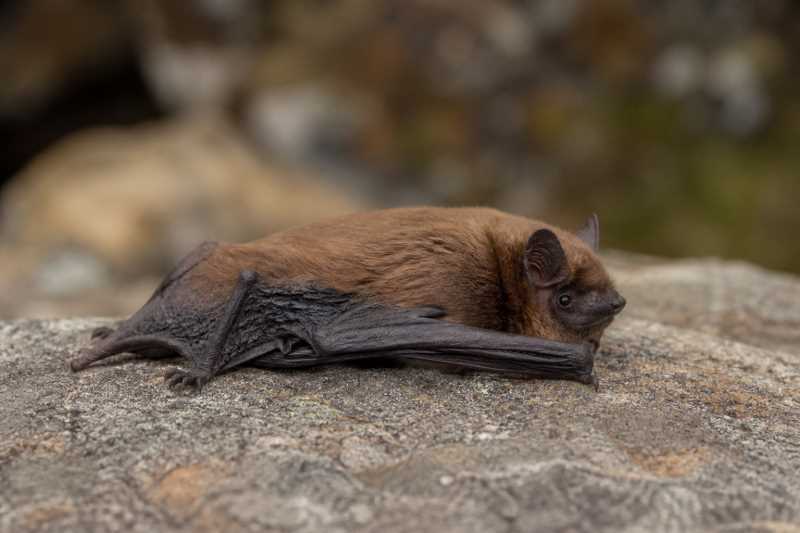
The fur of the Madeira Pipistrelle is dense and soft, exhibiting a brown to reddish-brown coloration on the dorsal side, while the ventral side is generally paler. This coloration provides excellent camouflage against the bark of trees and rocky surfaces, aiding in its nocturnal lifestyle. The face is adorned with a small, slightly upturned nose, and the ears are rounded, typical of the Pipistrellus genus.
The wings of the Madeira Pipistrelle are long and narrow, adapted for rapid and agile flight. The membrane is a dark brown, semi-translucent shade, which complements its overall appearance. This bat also possesses a tail that extends halfway into a broad tail membrane, which aids in maneuverability during flight.
Range and Habitat
As its name suggests, the Madeira Pipistrelle is primarily found on the Madeira archipelago. This group of islands is located in the North Atlantic Ocean, roughly 520 kilometers from the northwest coast of Africa. The Madeira Pipistrelle is specifically distributed across the main island of Madeira and the smaller island of Porto Santo.
The habitat preferences of the Madeira Pipistrelle are diverse, as it can be found in a variety of environments. It thrives in both natural and human-altered landscapes, including forests, gardens, and urban areas. However, it shows a particular affinity for semi-natural woodlands and areas with abundant insect populations. The bat often roosts in tree cavities, crevices in buildings, and occasionally in caves, showcasing its adaptability to different roosting sites.
Behavior and Diet
The Madeira Pipistrelle is predominantly nocturnal, emerging from its roosts at dusk to forage for food. This bat is an insectivore, feeding primarily on a variety of flying insects such as moths, beetles, and mosquitoes. Its diet plays a vital role in controlling insect populations, making it an essential component of the ecosystem.
Using echolocation, the Madeira Pipistrelle navigates through its environment and locates prey with remarkable accuracy. The echolocation calls of this bat are typically in the ultrasonic range, beyond human hearing capabilities. During foraging, it employs a rapid, erratic flight pattern, often hunting close to the ground or around vegetation where insects are abundant.
Social behavior in the Madeira Pipistrelle involves forming small colonies, particularly during the breeding season. Mating usually occurs in late summer, with females giving birth to a single pup in late spring or early summer. The young are nurtured and protected within the colony until they are capable of independent flight and foraging.
Identification Tips (Field Recognition Cues)
Identifying the Madeira Pipistrelle in the field requires keen observation and knowledge of specific characteristics:
- Size and Shape: Look for a small bat with a body length of 4 to 5 cm and a wingspan of 20 to 24 cm. Its flight is agile and rapid.
- Coloration: Note the brown to reddish-brown fur on the dorsal side and paler ventral side, which aids camouflage.
- Ears and Nose: Rounded ears and a slightly upturned nose are indicative features.
- Flight Pattern: Observe the erratic, fast flight often close to the ground or around trees and shrubs.
- Echolocation: Use a bat detector to listen for the high-frequency echolocation calls, typically beyond human hearing.
Conservation Status (with Threats and Protections)
The conservation status of the Madeira Pipistrelle is currently listed as "Near Threatened" by the IUCN Red List. Several factors contribute to its vulnerability, primarily stemming from habitat loss and degradation. Urbanization, deforestation, and agricultural expansion have reduced suitable habitats, posing a significant threat to the species.
Another critical threat is the disturbance of roosting sites. Human activities, including construction and tourism, can inadvertently disrupt these sites, affecting the bats’ ability to breed and thrive. Additionally, the use of pesticides in agriculture can reduce insect populations, thereby limiting the food supply for these insectivorous bats.
Conservation efforts are in place to protect the Madeira Pipistrelle and its habitat. Legal protections under regional and international frameworks aim to safeguard critical habitats and mitigate human-induced threats. Conservationists also emphasize the importance of public education to raise awareness about the ecological role of bats and the need for their protection.
Frequently Asked Questions
How can I help conserve the Madeira Pipistrelle?
Individuals can contribute to conservation efforts by supporting habitat preservation initiatives, advocating for pesticide reduction, and participating in local wildlife monitoring programs. Educating others about the importance of bats can also foster a positive attitude towards these essential creatures.
What is the best time to observe the Madeira Pipistrelle?
The best time to observe the Madeira Pipistrelle is at dusk or shortly after sunset when they emerge from their roosts to forage. Using a bat detector can enhance the observation experience by allowing you to hear their echolocation calls.
Are Madeira Pipistrelles harmful to humans?
Madeira Pipistrelles are not harmful to humans. They are insectivorous and play a beneficial role in controlling insect populations. Bats should not be handled, as they are wild animals, but observing them from a distance poses no risk.
Why is the Madeira Pipistrelle important to the ecosystem?
The Madeira Pipistrelle is important because it helps control insect populations, thus maintaining a balanced ecosystem. By feeding on insects, these bats contribute to pest control, benefiting agriculture and reducing the spread of insect-borne diseases.
What challenges do conservationists face in protecting the Madeira Pipistrelle?
Conservationists face challenges such as habitat destruction, human disturbances, and the impact of pesticides. Overcoming these requires coordinated efforts in habitat protection, legal enforcement, and public education.
Related posts