Introduction
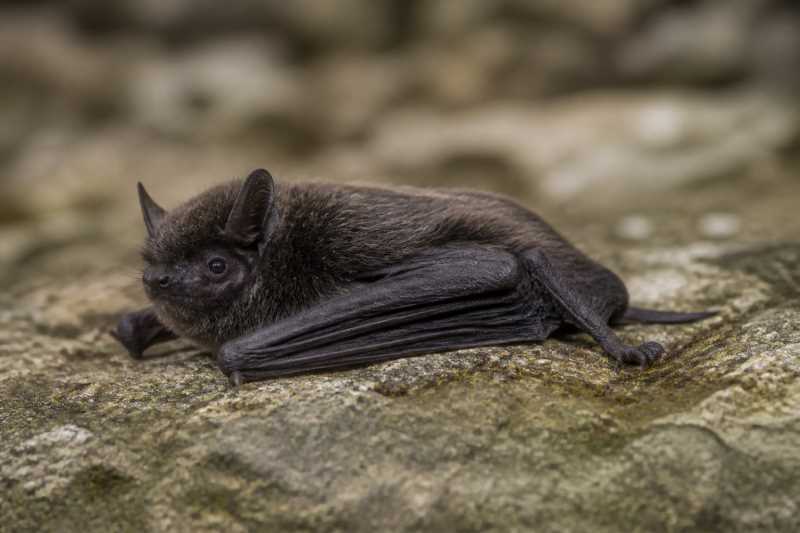
The Common Black Myotis (Myotis nigricans) is a small bat species belonging to the family Vespertilionidae, which is one of the largest and most diverse bat families in the world. Recognized for its adaptability and wide distribution, the Common Black Myotis plays a vital role in various ecosystems, primarily through its insectivorous diet. This article explores the intriguing aspects of this species, from its physical characteristics to its behavior and conservation status.
Physical Description
The Common Black Myotis is a small bat, typically weighing between 3 and 5 grams, with a wingspan ranging from 22 to 27 centimeters. Its fur is predominantly black or very dark brown, giving it its common name. The underparts are slightly lighter, providing subtle contrast. Its ears are small and rounded, and it features a short muzzle. The wing membranes are dark and translucent, stretching from the elongated fingers to the hind limbs. This species exhibits sexual dimorphism, although it is not pronounced, with females being slightly larger than males.
Range and Habitat
The Common Black Myotis is native to Central and South America, with its range extending from southern Mexico to northern Argentina. It thrives in a variety of habitats, including tropical and subtropical forests, savannas, and urban areas. This adaptability allows it to coexist with human populations, often roosting in buildings, tree hollows, and caves. The species is typically found at elevations from sea level to 1,500 meters, though it can occur at higher altitudes in some regions.
Behavior and Diet
Primarily nocturnal, the Common Black Myotis emerges at dusk to forage for food. Its diet mainly consists of insects, including beetles, moths, and mosquitoes, which it catches in flight using echolocation. This sophisticated system allows the bat to navigate and hunt with precision, even in complete darkness. During the day, it rests in roosts that provide protection from predators and harsh weather conditions.
Socially, the Common Black Myotis tends to form small colonies, although solitary individuals are not uncommon. These colonies can be mixed-gender or consist solely of females and their young. Mating usually occurs in the fall, with females giving birth to a single pup in the spring or early summer.
Identification Tips
Recognizing the Common Black Myotis in the field can be challenging due to its small size and nocturnal habits. However, there are several cues to aid in identification:
- Coloration: Look for the distinctive black or dark brown fur, which is a key characteristic of this species.
- Size: Note the small body size and relatively short ears compared to other bat species.
- Flight Pattern: Observe the bat’s agile and erratic flight, typical of insectivorous bats using echolocation.
- Roosting Sites: Check common roosting habitats like tree hollows, caves, and buildings, especially in tropical and subtropical regions.
Conservation Status
The Common Black Myotis is currently classified as Least Concern by the International Union for Conservation of Nature (IUCN). Despite this classification, the species faces several threats, including habitat destruction, pesticide use, and climate change. Deforestation, in particular, poses a significant risk, as it reduces available roosting and foraging sites. Additionally, the use of pesticides can lead to a decline in insect populations, the primary food source for this species.
Efforts to protect the Common Black Myotis include habitat conservation and restoration initiatives. Creating protected areas and promoting sustainable land-use practices are crucial steps in ensuring the long-term survival of this species. Public education campaigns can also raise awareness about the ecological importance of bats and the need for their conservation.
Frequently Asked Questions
What do Common Black Myotis bats eat?
Common Black Myotis bats primarily feed on insects such as beetles, moths, and mosquitoes. They use echolocation to hunt their prey, making them efficient nocturnal predators.
Where can I find Common Black Myotis bats?
These bats are found from southern Mexico to northern Argentina, inhabiting tropical and subtropical forests, savannas, and urban areas. They often roost in tree hollows, caves, and buildings.
How do Common Black Myotis bats contribute to the ecosystem?
By consuming large quantities of insects, Common Black Myotis bats help control pest populations. This ecological service benefits agriculture and reduces the need for chemical pesticides.
Are Common Black Myotis bats endangered?
Currently, the Common Black Myotis is classified as Least Concern by the IUCN. However, it faces threats from habitat destruction, pesticide use, and climate change.
How can I help protect Common Black Myotis bats?
Supporting habitat conservation efforts and promoting sustainable land-use practices can help protect this species. Educating others about the importance of bats in ecosystems can also contribute to their conservation.
Related posts