The Enigmatic Blue Petrel: A Seafarer’s Delight
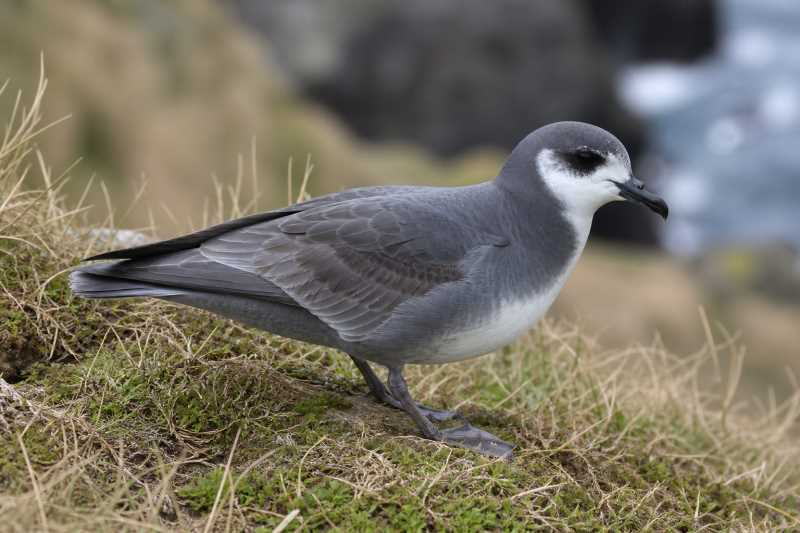
The Blue Petrel (Halobaena caerulea) is a remarkable seabird that captures the essence of the vast and mysterious Southern Ocean. This medium-sized bird, with its striking blue-gray plumage and distinctive black-tipped tail, is not only a testament to the beauty of avian life but also serves as a crucial component of the marine ecosystem. This article delves into the fascinating world of the Blue Petrel, exploring its habitat, behavior, and the challenges it faces in a rapidly changing environment.
Habitat and Distribution
The Blue Petrel is predominantly found in the Southern Hemisphere, where it spends most of its life over the open ocean. Its breeding grounds are mainly concentrated on several sub-Antarctic islands, including the Kerguelen Islands, Marion Island, Prince Edward Islands, and South Georgia. These isolated locations provide the ideal environment for nesting, away from the predation pressures found on mainland habitats.
Blue Petrels are highly adapted to the harsh conditions of the Southern Ocean. Their streamlined bodies and long wings are perfectly suited for dynamic soaring, a flight technique that allows them to cover vast distances with minimal energy expenditure. This adaptation is crucial for foraging, as their diet primarily consists of small marine organisms such as krill, fish, and squid, which are often dispersed over wide areas.
Breeding and Life Cycle
The breeding season for Blue Petrels typically begins in October and extends through March. During this period, they return to their nesting sites on rocky cliffs and slopes, where they form monogamous pairs that may last for several breeding seasons. The nests are often simple burrows or crevices in the ground, which provide protection from the elements and predators.
A single egg is laid, and both parents share the incubation duties, which last about 45 days. After hatching, the chick is brooded and fed by both parents for several weeks. The fledging period is approximately 55 to 60 days, after which the juvenile Blue Petrel takes its first flight into the open ocean. Despite the challenges of the marine environment, the survival rate of fledglings is relatively high, thanks in part to the care provided by the parents.
Behavior and Adaptations
Blue Petrels are known for their remarkable navigational abilities. They have an acute sense of smell, which they use to locate food over the ocean’s vast expanses. This olfactory prowess is particularly useful for detecting dimethyl sulfide, a compound released by phytoplankton when consumed by krill, their primary prey.
Socially, Blue Petrels are gregarious birds, often seen in large flocks during the non-breeding season. This behavior not only facilitates foraging but also provides safety in numbers from predators. They communicate through a series of calls and displays, which are essential for maintaining pair bonds and coordinating activities within the colony.
Conservation Status and Threats
The International Union for Conservation of Nature (IUCN) currently classifies the Blue Petrel as a species of Least Concern. However, like many seabirds, they face several threats that could impact their populations in the future. Climate change, with its associated impacts on ocean temperatures and prey availability, poses a significant risk to their survival.
Human activities, such as commercial fishing and marine pollution, also threaten Blue Petrels. Bycatch in longline fisheries can result in accidental deaths, while pollution, particularly plastic waste, can lead to ingestion and entanglement. Moreover, introduced species on breeding islands, such as rats and cats, are a persistent threat to their nesting success.
Conservation Efforts
Conservation efforts for Blue Petrels focus on protecting their breeding habitats and mitigating human-induced threats. Many of the islands where they breed are designated as protected areas, with measures in place to control or eradicate invasive species. Additionally, international agreements, such as the Agreement on the Conservation of Albatrosses and Petrels (ACAP), aim to reduce bycatch and promote sustainable fishing practices.
Research and monitoring are also crucial components of conservation strategies. Long-term studies on Blue Petrel populations help scientists understand their ecology and inform management decisions. Public awareness campaigns and collaboration among governments, NGOs, and local communities are essential to ensuring the long-term survival of this captivating seabird.
Conclusion
The Blue Petrel, with its striking appearance and remarkable adaptations, is a symbol of the resilience and beauty of the Southern Ocean’s avian life. While it currently faces several challenges, ongoing conservation efforts provide hope for a sustainable future. By understanding and preserving the delicate balance of marine ecosystems, we can ensure that the Blue Petrel continues to grace the skies for generations to come.
Related posts