Introduction
The coyote, scientifically known as Canis latrans, is a highly adaptable and intelligent mammal native to North America. Often recognized for its resilience and adaptability, the coyote has expanded its range significantly over the past century, thriving in a variety of environments from rural to urban. This article delves into the physical characteristics, habitat, behavior, and conservation status of this intriguing species.
Physical Description
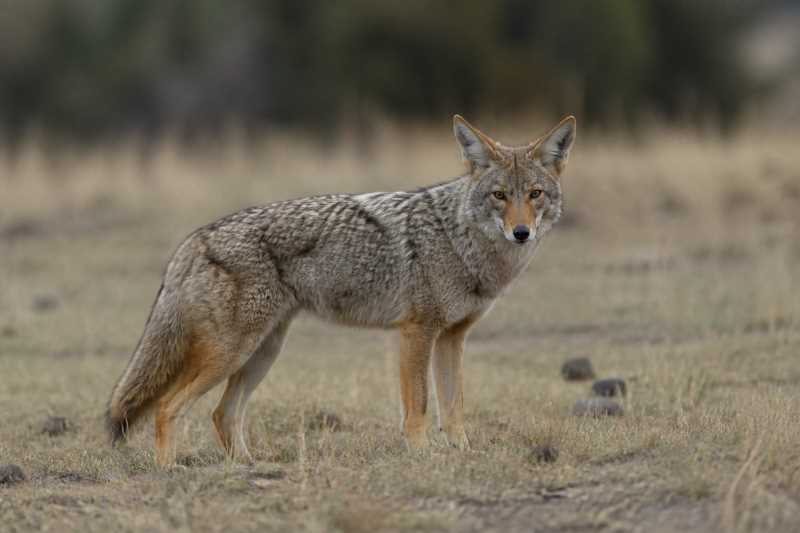
Coyotes are medium-sized members of the canine family, bearing a resemblance to wolves, though generally smaller. Adult coyotes typically weigh between 20 to 50 pounds, with males being larger than females. They measure about 32 to 37 inches in body length, excluding their bushy tails, which add another 16 inches on average.
Their fur is generally a mix of gray, brown, and red, providing excellent camouflage in their natural habitats. The fur is typically denser and darker in winter, offering protection against the cold. Coyotes have erect, pointed ears, a slender muzzle, and yellow eyes, contributing to their sharp and vigilant appearance.
Range and Habitat
Historically, coyotes were primarily found in the open prairies and deserts of the central United States. However, due to their adaptability, they have expanded their range to cover most of North America, including Canada, Mexico, and even into Central America.
Coyotes thrive in diverse habitats, including grasslands, deserts, forests, and mountainous regions. They are also highly adaptable to human environments and can often be found in suburban and urban areas. Their ability to live in such a wide range of habitats is a testament to their resilience and resourcefulness.
Behavior and Diet
Coyotes are primarily nocturnal, although it is not uncommon to see them during the day. They are social animals, often found in family units consisting of a breeding pair and their offspring. However, they can also be solitary hunters or form loose packs for hunting larger prey.
Their diet is highly varied and opportunistic, which is a crucial factor in their adaptability. Coyotes primarily feed on small mammals such as rabbits, rodents, and birds, but they are also known to consume insects, fruits, and even carrion. In urban areas, they may scavenge garbage or prey on domestic pets, which can lead to conflicts with humans.
Identification Tips (Field Recognition Cues)
Recognizing coyotes in the wild involves looking for specific characteristics that distinguish them from other canines. Key identification tips include:
- Size and Shape: Coyotes are smaller than wolves but larger than foxes. They have a lean, athletic build with a bushy tail usually carried downwards.
- Coloration: Their fur is a mix of gray, brown, and reddish hues, with a lighter underbelly and a bushy, black-tipped tail.
- Vocalizations: Coyotes are known for their distinctive calls, which include howls, yips, and barks. These vocalizations are often used to communicate territory and locate pack members.
- Tracks: Coyote tracks are oval and symmetrical, with four toes and a heel pad. They can be distinguished from domestic dogs by their more compact and oval shape.
Conservation Status (With Threats and Protections)
Currently, the coyote is listed as a species of least concern by the International Union for Conservation of Nature (IUCN). Their population is stable, and they are not considered at risk. This widespread species has adapted well to human expansion, unlike many other wildlife species.
Despite their stable population, coyotes face threats from habitat fragmentation and human-wildlife conflicts, particularly in urban areas. They are often viewed as pests due to their predation on livestock and pets. In some areas, they are subject to control measures such as trapping and hunting.
Efforts to manage coyote populations include public education on coexistence strategies and non-lethal control methods. Conservationists advocate for humane treatment and emphasize the ecological role coyotes play in controlling rodent populations and maintaining balanced ecosystems.
Frequently Asked Questions
Why is this species unique?
Coyotes are unique due to their adaptability and resilience. Unlike many wildlife species, coyotes have expanded their range in response to human development, showcasing their ability to thrive in various environments, including urban areas.
How do coyotes communicate?
Coyotes communicate through a range of vocalizations, including howls, yips, and barks. These sounds are used to establish territory, communicate with family members, and coordinate group activities. In addition to vocalizations, they use body language and scent marking as forms of communication.
Are coyotes dangerous to humans?
Coyotes are generally not dangerous to humans and tend to avoid contact. However, they can pose a threat to small pets and livestock. In rare instances, they may become aggressive if they associate humans with food. It is important to secure food sources and not to feed coyotes.
What role do coyotes play in the ecosystem?
Coyotes are important predators in their ecosystems. They help control populations of rodents and other small mammals, contributing to a balanced ecological community. Their presence can also influence the behavior of other species, maintaining biodiversity.
How can we coexist with coyotes?
Coexisting with coyotes involves understanding their behavior and reducing attractants such as unsecured garbage and pet food. Keeping pets indoors or supervised and using deterrents like motion-activated lights can help minimize conflicts. Public education on coyote behavior and ecology is also vital.
Related posts