Introduction
The Chiribiquete Sword-nosed Bat, scientifically known as Lonchorhina mankomara, is a fascinating species of bat that has captured the attention of wildlife enthusiasts and researchers alike. This remarkable mammal is part of the Phyllostomidae family and is known for its distinctive nose-leaf, which plays a crucial role in its echolocation abilities. Found primarily in specific regions of South America, the Chiribiquete Sword-nosed Bat is an integral part of its ecosystem, contributing to insect population control and seed dispersal. This article delves into the various aspects of this unique species, from its physical characteristics to its behavior and conservation status.
Physical Description
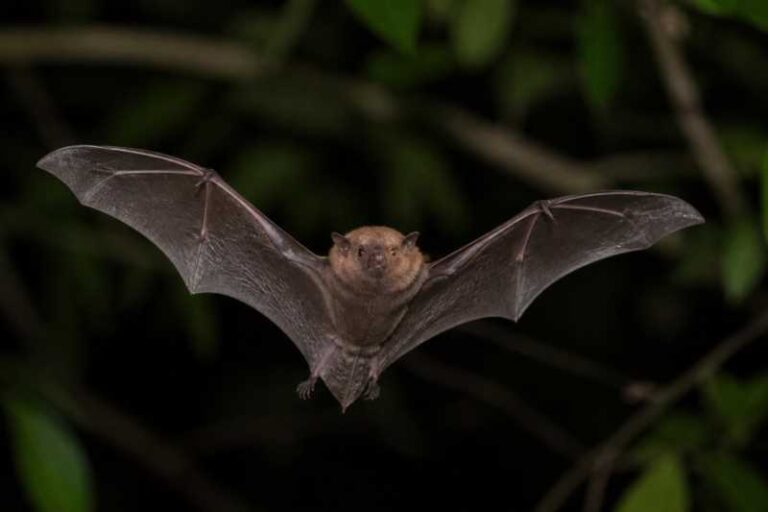
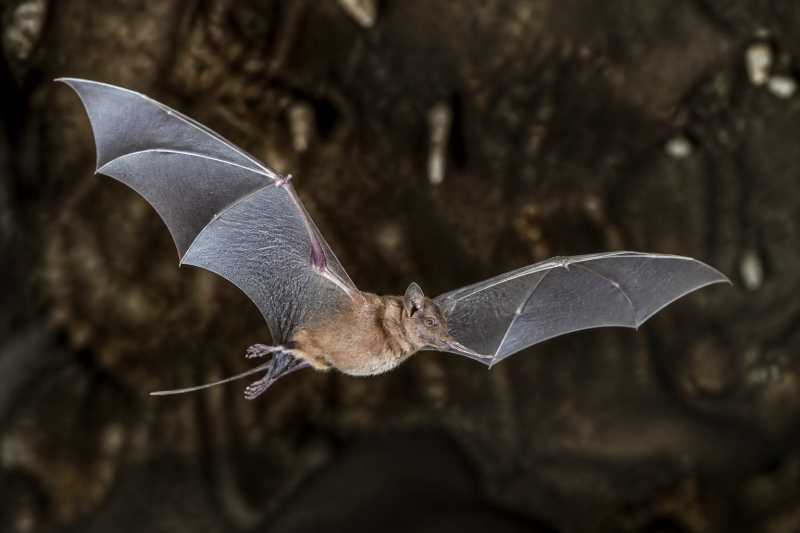
The Chiribiquete Sword-nosed Bat is characterized by its elongated nose-leaf, which extends like a sword, giving the species its common name. This nose-leaf is a crucial adaptation for echolocation, allowing the bat to navigate and hunt efficiently in the dark. Adult bats typically have a wingspan ranging from 30 to 40 centimeters and weigh between 12 to 20 grams. Their fur is usually a dark brown or gray, providing excellent camouflage in their natural habitat. The ears are large and rounded, further aiding in their acute sense of hearing, essential for detecting prey.
Range and Habitat
The Chiribiquete Sword-nosed Bat is predominantly found in the Amazon Basin, with a notable presence in Colombia’s Chiribiquete National Park, from which it derives its name. The species thrives in tropical and subtropical forests, preferring dense, humid environments that offer ample food sources and roosting sites. These bats are often found roosting in caves, tree hollows, and under large leaves, where they can rest during the day before emerging at night to forage.
Behavior and Diet
Nocturnal by nature, the Chiribiquete Sword-nosed Bat is an active hunter during the night. It primarily feeds on insects, using its advanced echolocation abilities to detect and capture prey in complete darkness. This diet helps control insect populations, which is beneficial for the ecosystem. In addition to insects, these bats may occasionally consume fruit, which aids in seed dispersal, contributing to forest regeneration.
Socially, these bats are known to roost in small colonies, which aids in protection against predators and facilitates social interactions. Their communication involves a series of high-pitched calls and echolocation clicks, which are used to coordinate movements and maintain group cohesion.
Identification Tips (Field Recognition Cues)
Identifying the Chiribiquete Sword-nosed Bat in the field can be challenging due to its nocturnal habits and elusive nature. However, there are several key characteristics to look for:
- Nose-leaf: Look for the distinctive sword-shaped nose-leaf, which is unique to this species.
- Fur Color: The dark brown or gray fur provides excellent camouflage but can be a distinguishing feature when observed closely.
- Ears: Large, rounded ears that are crucial for their echolocation and hearing abilities.
- Flight Pattern: Observe their agile and erratic flight patterns during the night, which are indicative of their hunting behavior.
Conservation Status (with Threats and Protections)
The Chiribiquete Sword-nosed Bat is currently classified as "Data Deficient" by the International Union for Conservation of Nature (IUCN). This status highlights the need for more research to accurately assess the population size and trends. The primary threats to this species include habitat destruction due to deforestation and human encroachment. Mining and agricultural expansion in the Amazon Basin have significantly reduced the available habitat for these bats, posing a considerable risk to their survival.
Conservation efforts are focused on preserving the remaining habitats through the establishment of protected areas like Chiribiquete National Park. Additionally, research initiatives are underway to gather more data on the species’ ecology and behavior, which is critical for informed conservation strategies.
Frequently Asked Questions
1. What is the Chiribiquete Sword-nosed Bat’s primary diet? The Chiribiquete Sword-nosed Bat primarily feeds on insects, using echolocation to hunt them at night. Occasionally, they may also consume fruit, aiding in seed dispersal.
2. Where can the Chiribiquete Sword-nosed Bat be found? This bat species is found in the Amazon Basin, particularly in Colombia’s Chiribiquete National Park, thriving in dense tropical forests.
3. How does the Chiribiquete Sword-nosed Bat contribute to its ecosystem? The bat plays a vital role in controlling insect populations and dispersing seeds, which helps in forest regeneration and maintaining ecological balance.
4. What are the main threats to the Chiribiquete Sword-nosed Bat? The main threats include habitat destruction due to deforestation and human encroachment, which reduce their natural habitat and resources.
5. Why is the Chiribiquete Sword-nosed Bat classified as "Data Deficient"? The "Data Deficient" classification reflects a lack of sufficient data on their population trends and ecological requirements, necessitating further research.
Related posts