Introduction
The Cofre de Perote Pocket Gopher, scientifically known as Cratogeomys perotensis, is a fascinating mammal species endemic to Mexico. This gopher is part of the family Geomyidae, which includes other pocket gophers known for their burrowing abilities and cheek pouches used for transporting food. Despite its limited range, the Cofre de Perote Pocket Gopher plays a significant role in its ecosystem, contributing to soil aeration and seed dispersal. This article delves into the various aspects of this unique species, including its physical characteristics, habitat, behavior, identification tips, conservation status, and more.
Physical Description
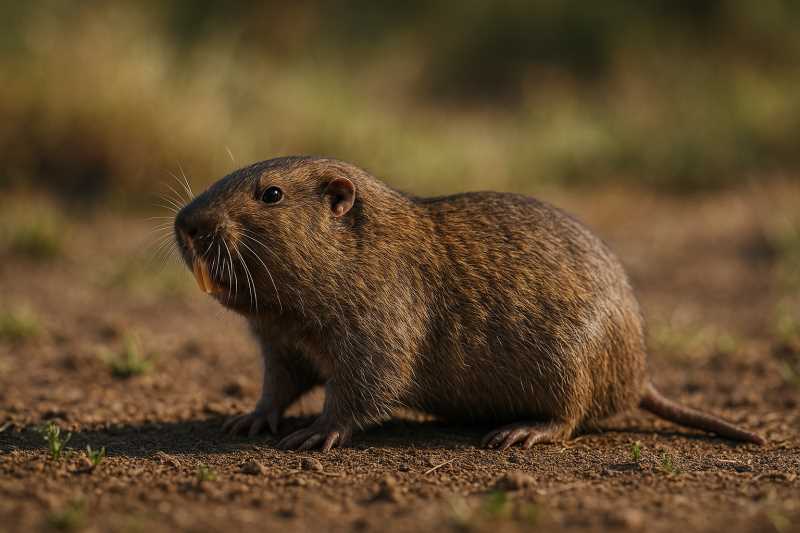
The Cofre de Perote Pocket Gopher is a medium-sized rodent, typically measuring between 20 to 25 cm in length, excluding the tail, which adds an additional 6 to 10 cm. Its body is robust and adapted for a subterranean lifestyle, featuring powerful forelimbs with strong claws for digging. The fur of the Cofre de Perote Pocket Gopher is soft and dense, usually presenting a brownish-gray coloration that blends well with its natural habitat.
One of the most distinctive features of this species is its cheek pouches, which are fur-lined and extend from the side of the mouth to the shoulders. These pouches are used for carrying food and nesting materials back to their burrows. The gopher’s eyes and ears are relatively small, reflecting its adaptation to a life spent mostly underground. Its incisors are prominent and continuously growing, which is typical among rodents, aiding in gnawing through roots and tough vegetation.
Range and Habitat
The Cofre de Perote Pocket Gopher is found exclusively in the mountainous regions of central Mexico, particularly around the Cofre de Perote volcano, from which it derives its name. This region is characterized by its high-altitude pine-oak forests and grasslands, providing an ideal environment for the gopher’s burrowing lifestyle.
The species prefers loose, well-drained soils that facilitate digging and tunnel construction. These tunnels are complex, consisting of multiple chambers used for nesting, food storage, and waste disposal. The gopher’s burrowing activities contribute to the ecological health of the region by aerating the soil, promoting water infiltration, and recycling nutrients.
Behavior and Diet
Cratogeomys perotensis is primarily a solitary animal, with individuals maintaining and defending their own territories. They are highly adapted to a fossorial (burrowing) lifestyle, spending most of their time underground. The gophers are active year-round and do not hibernate, although their activity levels may vary with the seasons.
The diet of the Cofre de Perote Pocket Gopher consists mainly of roots, tubers, and other underground plant parts. They may also consume above-ground vegetation, pulling plants down into their burrows. This dietary habit not only sustains them but also plays a role in seed dispersal and vegetation control within their habitat.
Identification Tips (Field Recognition Cues)
Identifying the Cofre de Perote Pocket Gopher in the field can be challenging due to its secretive nature and subterranean lifestyle. However, several cues can aid in recognition:
- Burrow Openings: Look for circular mounds of soil with a visible tunnel entrance. These are often the most apparent sign of gopher activity.
- Soil Disturbance: Fresh soil or displaced vegetation can indicate recent burrowing.
- Tracks and Droppings: Although rare, tracks can sometimes be seen near burrow entrances, characterized by parallel lines from the dragging of claws.
- Cheek Pouches: If observed above ground, the presence of prominent cheek pouches is a distinctive feature.
Conservation Status (With Threats and Protections)
The conservation status of the Cofre de Perote Pocket Gopher is currently listed as Vulnerable by the International Union for Conservation of Nature (IUCN). The primary threats to this species include habitat loss due to agricultural expansion, deforestation, and human encroachment. These activities reduce the availability of suitable habitats and contribute to soil compaction, which hampers the gopher’s ability to burrow.
Conservation efforts are focused on habitat preservation and restoration. Protected areas around the Cofre de Perote region help mitigate some of the habitat loss, but ongoing monitoring and research are needed to ensure the species’ survival. Raising awareness about the ecological importance of pocket gophers can also aid in their conservation.
Frequently Asked Questions
What is the primary diet of the Cofre de Perote Pocket Gopher?
The Cofre de Perote Pocket Gopher primarily feeds on roots, tubers, and other underground plant parts. They may also consume above-ground vegetation, which they pull into their burrows.
How does the Cofre de Perote Pocket Gopher contribute to its ecosystem?
This gopher species contributes to its ecosystem by aerating the soil through its burrowing activities, enhancing water infiltration, and promoting nutrient recycling. Additionally, they aid in seed dispersal, which supports plant diversity.
Why is the Cofre de Perote Pocket Gopher considered vulnerable?
The species is considered vulnerable due to habitat loss from agricultural expansion, deforestation, and human encroachment, which reduce suitable habitats and affect their ability to sustain populations.
How can you identify a Cofre de Perote Pocket Gopher in the wild?
Identification can be made by looking for signs such as burrow openings with circular mounds of soil, soil disturbances, and if observed, the presence of cheek pouches.
What conservation measures are in place for the Cofre de Perote Pocket Gopher?
Conservation measures include habitat preservation and restoration efforts, along with protected areas around the Cofre de Perote region to mitigate habitat loss and ensure species survival.
Related posts