Introduction
Brosset’s Big-eared Bat, scientifically known as Micronycteris brosseti, is a fascinating species within the diverse world of chiropterans. These unique mammals are part of the family Phyllostomidae, which is renowned for its varied and specialized members. Despite their relatively obscure status compared to some other bat species, Brosset’s Big-eared Bat plays a crucial role in its ecosystem, contributing to insect population control and pollination. This article explores the various aspects of this intriguing species, including its physical traits, habitat preferences, behavior, and current conservation status.
Physical Description
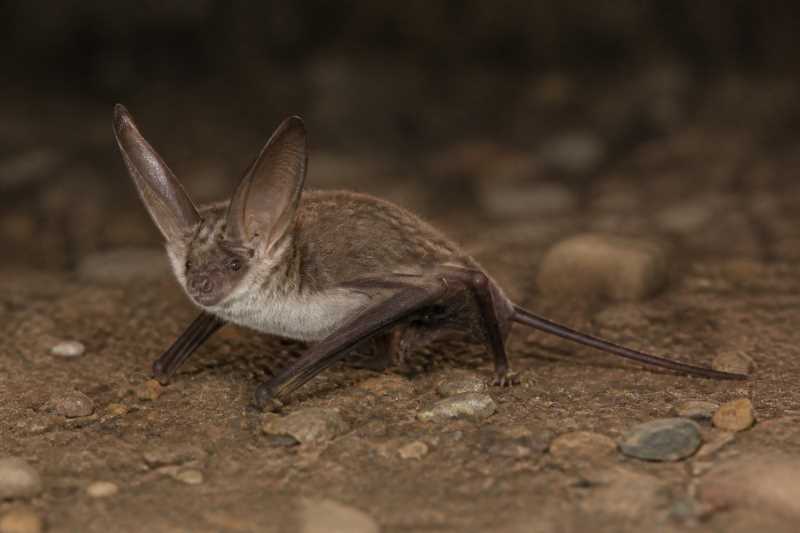
Brosset’s Big-eared Bat is distinguished by several notable physical characteristics that aid in its survival and ecological role. As the name suggests, one of the most prominent features of this species is its large, sensitive ears. These ears are finely tuned to pick up the high-frequency sounds used in echolocation, which is essential for navigation and hunting in the dark.
The body size of Micronycteris brosseti is relatively small, with an average wingspan that allows for agile flight through dense forest canopies. The bat’s fur is typically a muted brown or gray, providing excellent camouflage against tree bark and foliage. The face of the bat is adorned with a leaf-shaped nose, which is a characteristic feature of the family Phyllostomidae. This nose-leaf likely plays a role in directing echolocation calls.
Range and Habitat
Brosset’s Big-eared Bat is primarily found in the Neotropical regions of South America. Its range extends through countries such as Brazil, Peru, Ecuador, and Colombia. These bats prefer habitats that offer a combination of dense vegetation and open space, such as tropical rainforests, cloud forests, and sometimes secondary forests.
The species relies heavily on forested environments, where it can find ample roosting sites and a diverse array of prey. Brosset’s Big-eared Bat often roosts in hollow trees, caves, and sometimes man-made structures. The availability of these roosting sites is crucial for their survival, as they provide protection from predators and the elements.
Behavior and Diet
Brosset’s Big-eared Bat is primarily nocturnal, emerging from its roosts after sunset to forage for food. The species exhibits a flexible hunting strategy, utilizing both passive listening and active echolocation to locate prey. This adaptability allows it to exploit a wide range of food sources.
The diet of Micronycteris brosseti is predominantly insectivorous, consisting mainly of moths, beetles, and other small insects. However, like many bats in the Phyllostomidae family, it may also consume fruit or nectar when available. This dietary flexibility is beneficial in environments where food availability can fluctuate.
Identification Tips (Field Recognition Cues)
Identifying Brosset’s Big-eared Bat in the field requires attention to several key characteristics. The most obvious is the large, broad ears that stand out even when the bat is at rest. Observers should also note the presence of the leaf-shaped nose, which is a distinguishing feature among many phyllostomid bats.
Flight patterns can also aid in identification. Brosset’s Big-eared Bat typically exhibits a fluttering, agile flight, often maneuvering expertly through dense vegetation. Acoustic surveys can be useful, as their echolocation calls are distinct and can be recorded using specialized equipment.
Conservation Status (with Threats and Protections)
As of the latest assessments, Brosset’s Big-eared Bat is not listed as endangered or vulnerable; however, its populations face several threats that could impact its future stability. Habitat loss due to deforestation and land conversion for agriculture poses a significant risk to this species, as it relies heavily on forested environments.
Conserving Brosset’s Big-eared Bat requires efforts to preserve its natural habitats. Protected areas and reserves play a crucial role in maintaining the ecological conditions necessary for its survival. Additionally, raising awareness about the ecological importance of bats and reducing human-wildlife conflicts are vital steps in ensuring the longevity of this species.
Frequently Asked Questions
1. What is the primary habitat of Brosset’s Big-eared Bat?
Brosset’s Big-eared Bat primarily inhabits tropical and cloud forests in South America. These environments offer the necessary roosting sites and food resources that the species needs to thrive.
2. How can Brosset’s Big-eared Bat be identified in the wild?
Identification can be achieved by looking for large, broad ears and a leaf-shaped nose, as well as observing their agile flight patterns. Echolocation calls can also aid in identification.
3. What threats does Brosset’s Big-eared Bat face?
The primary threats include habitat loss due to deforestation and land conversion. Conservation efforts focus on habitat preservation and raising awareness about the ecological role of bats.
4. Are Brosset’s Big-eared Bats beneficial to humans?
Yes, they provide vital ecosystem services, such as insect population control and pollination, which can benefit agriculture and reduce the spread of insect-borne diseases.
5. What is the diet of Brosset’s Big-eared Bat?
Their diet is mainly insectivorous, consisting of moths, beetles, and other insects. The species may also consume fruit or nectar, depending on availability.
Related posts