Introduction
The Cape Dune Mole-rat (Bathyergus suillus) is a fascinating and unique species of rodent native to the coastal regions of South Africa. Known for their burrowing abilities and solitary behavior, these mole-rats play a crucial role in their ecosystem. This article delves into various aspects of the Cape Dune Mole-rat, including its physical characteristics, habitat preferences, behavioral patterns, and conservation status.
Physical Description
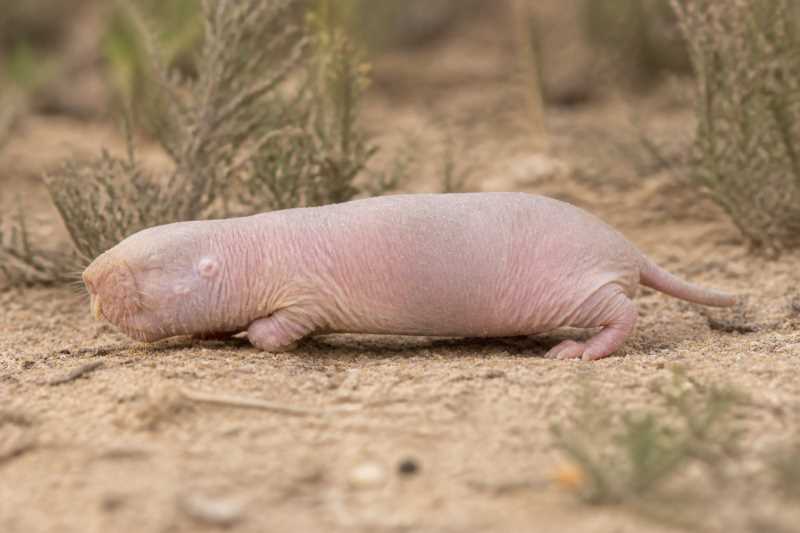
Cape Dune Mole-rats are robust rodents with a distinctive appearance. They possess a cylindrical body, short limbs, and large, powerful claws designed for digging. Their fur is typically a sandy or brown color, which provides excellent camouflage in their natural habitat. The head is large and rounded, with small eyes and ears that are adapted for a subterranean lifestyle.
One of the most striking features of the Cape Dune Mole-rat is its incisors. These teeth are prominent and extend outside the mouth, allowing the mole-rat to dig efficiently without ingesting soil. Adult Cape Dune Mole-rats generally weigh between 500 to 900 grams and measure about 20 to 25 centimeters in length.
Range and Habitat
Cape Dune Mole-rats are endemic to the southwestern coastal regions of South Africa. They are primarily found in sandy soils, which are ideal for their burrowing lifestyle. Their range extends from the Cape Peninsula in the west to Port Elizabeth in the east.
These mole-rats create extensive underground tunnel systems that serve as protection from predators and harsh weather conditions. The sandy dunes and scrublands they inhabit provide ample food resources and adequate shelter, making them well-suited to this environment.
Behavior and Diet
Cape Dune Mole-rats are primarily solitary creatures, coming together only for breeding purposes. They are known for their impressive digging abilities, using their strong claws and incisors to excavate tunnels and burrows. These burrows can be complex, with multiple chambers used for nesting, food storage, and waste disposal.
Their diet consists mainly of underground plant material, such as tubers, roots, and bulbs. The mole-rat’s ability to locate and consume these food sources without emerging from their burrows is a testament to their adaptability and specialized feeding habits.
Identification Tips (Field Recognition Cues)
Identifying the Cape Dune Mole-rat in the wild can be challenging due to their subterranean lifestyle. However, there are several cues that can aid in recognition:
- Burrow Entrances: Look for circular mounds of sand or soil, which indicate the presence of active burrow systems.
- Incisor Marks: Check for distinctive gnaw marks on vegetation or bulbs around the burrow entrances.
- Surface Activity: On rare occasions, you might observe Cape Dune Mole-rats above ground, primarily near burrow entrances early in the morning or late in the afternoon.
Conservation Status (With Threats and Protections)
The Cape Dune Mole-rat is currently classified as "Least Concern" on the IUCN Red List, indicating that it is not at immediate risk of extinction. However, several threats could impact their populations in the future.
Threats:
- Habitat Destruction: Urban development and agricultural expansion pose significant threats to their natural habitat.
- Predation: Although well-adapted to avoid predators, mole-rats face risks from birds of prey, snakes, and larger mammals.
Protections:
- Protected Areas: Some of their habitat falls within protected areas, offering a degree of conservation security.
- Research and Monitoring: Ongoing studies help monitor population trends and inform conservation strategies.
Frequently Asked Questions
What do Cape Dune Mole-rats eat?
Cape Dune Mole-rats primarily feed on underground plant materials such as tubers, roots, and bulbs. Their diet is highly specialized to their subterranean lifestyle.
How do Cape Dune Mole-rats dig their burrows?
They use their powerful claws and prominent incisors to excavate tunnels. These adaptations allow them to move large amounts of soil efficiently.
Are Cape Dune Mole-rats endangered?
Currently, they are listed as "Least Concern" on the IUCN Red List, but habitat destruction and predation remain potential threats.
Where can I find Cape Dune Mole-rats?
They are found in the sandy coastal regions of southwestern South Africa, particularly within dunes and scrublands.
How do Cape Dune Mole-rats affect their ecosystem?
By burrowing, they aerate the soil and contribute to nutrient cycling, playing a crucial role in maintaining ecosystem health.
Related posts