Introduction
Bocage’s Mole-rat (Fukomys bocagei) is a fascinating subterranean rodent known for its unique lifestyle and intriguing social behaviors. Named after the Portuguese naturalist José Vicente Barbosa du Bocage, this species is a member of the Bathyergidae family, which includes other mole-rats that are adapted to life underground. Bocage’s Mole-rat is primarily found in specific regions of Africa and plays a crucial role in its ecosystem by impacting soil aeration and composition. This article delves into the physical characteristics, habitat, behavior, and conservation status of this remarkable mammal.
Physical Description
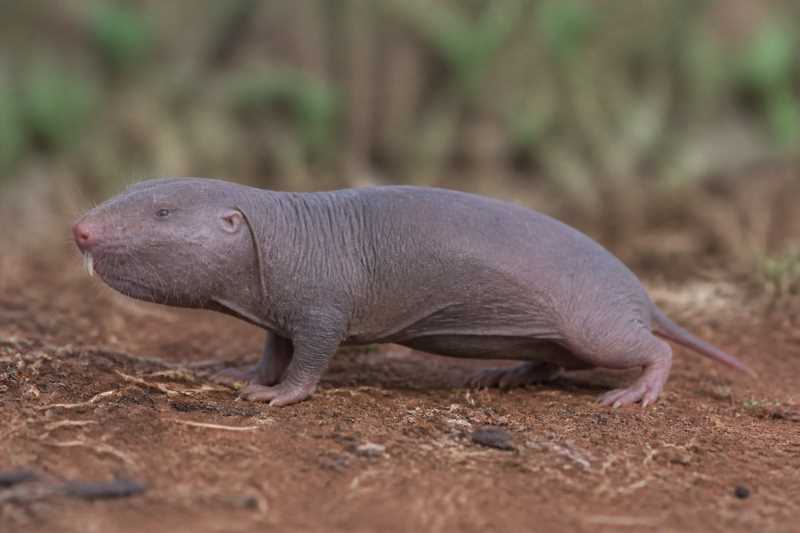
Bocage’s Mole-rat is a small to medium-sized rodent, with adults typically weighing between 100 to 200 grams. They have a distinctive cylindrical body shape adapted for their burrowing lifestyle. Their fur is usually a light to dark brown, providing effective camouflage within soil environments. A key feature of the Bocage’s Mole-rat is its robust build, with a compact head and powerful limbs equipped with strong claws for digging. Unlike many other rodents, they possess reduced eyes and ears, adaptations that reflect their subterranean existence. Their incisors are large and protrude forward, a common trait among mole-rats, which they use to excavate soil as they dig.
Range and Habitat
Bocage’s Mole-rat is primarily found in Angola and parts of the Democratic Republic of the Congo. They inhabit savannas, grasslands, and dry forest regions, often choosing areas with loose, well-drained soils that facilitate easy digging. These mole-rats are highly adapted to life underground, creating extensive burrow systems that can stretch several meters below the surface. Their burrows are complex networks with multiple chambers used for nesting, food storage, and waste disposal. The choice of habitat is crucial for their survival, as it provides protection from predators and extreme weather conditions.
Behavior and Diet
The behavior of Bocage’s Mole-rat is fascinating, especially due to their eusocial structure, similar to that of bees and ants. They live in colonies that consist of a breeding pair and their offspring, with non-reproductive individuals assisting in various tasks such as foraging and maintaining the burrow. Their diet primarily consists of roots, tubers, and other underground plant materials, which they forage using their sensitive incisors. Bocage’s Mole-rats have a keen sense of smell and vibration sensitivity, enabling them to detect food sources and potential threats. Their social structure is pivotal in efficiently managing resources and ensuring colony survival.
Identification Tips (field recognition cues)
Identifying Bocage’s Mole-rat in the field can be challenging due to their subterranean nature. However, certain cues can help in recognition:
- Burrow Entrances: Look for small, mound-like entrances with freshly turned soil, indicative of mole-rat activity.
- Surface Runs: Occasionally, they create shallow surface runs, which appear as raised lines on the ground.
- Droppings: Their droppings are small and pellet-like, often found near burrow entrances.
- Tracks: While rare, you might notice small, clawed footprints near active burrows, especially after rain.
Conservation Status (with threats and protections)
Currently, Bocage’s Mole-rat is classified as "Least Concern" on the IUCN Red List, indicating that the species is relatively stable. However, localized threats do exist, primarily from habitat destruction due to agricultural expansion and human settlement. The mole-rat’s reliance on specific soil types makes them vulnerable to changes in land use. Conservation efforts focus on habitat preservation and sustainable land management practices. Although there are no specific legal protections for Bocage’s Mole-rat, broader conservation policies targeting habitat conservation indirectly benefit the species.
Frequently Asked Questions
1. What adaptations help Bocage’s Mole-rat survive underground? Bocage’s Mole-rat has several adaptations for subterranean life, including reduced eyesight, strong digging claws, and sensitive incisors for soil excavation. Their social structure also supports efficient resource management.
2. How does Bocage’s Mole-rat contribute to its ecosystem? By burrowing, Bocage’s Mole-rats aerate the soil, facilitate nutrient cycling, and influence plant distribution. Their presence supports soil health and biodiversity.
3. Are Bocage’s Mole-rats aggressive? Generally, Bocage’s Mole-rats are not aggressive towards humans. Within their colonies, social interactions are cooperative, focusing on survival and resource management.
4. Can Bocage’s Mole-rat be kept as a pet? Due to their specific habitat needs and social structure, Bocage’s Mole-rats are not suitable as pets. They require a complex subterranean environment, which is difficult to replicate in captivity.
5. What are the main threats to Bocage’s Mole-rat? Habitat destruction from agriculture and urbanization are the primary threats to Bocage’s Mole-rat. Conservation efforts aim to mitigate these impacts through habitat preservation strategies.
Related posts