Sierra Madre Ground Squirrel: A Comprehensive Guide
Introduction
The Sierra Madre Ground Squirrel, scientifically known as Callospermophilus madrensis, is a fascinating mammal native to the mountainous regions of Mexico. These small but resilient creatures are part of the Sciuridae family, which includes other ground squirrels, tree squirrels, and marmots. Despite their relative obscurity in popular wildlife literature, they play a crucial role in their ecosystem, contributing to seed dispersion and serving as prey for various predators. This article delves into the unique characteristics, habitat, behavior, and conservation status of the Sierra Madre Ground Squirrel, providing a comprehensive overview for enthusiasts and researchers alike.
Physical Description
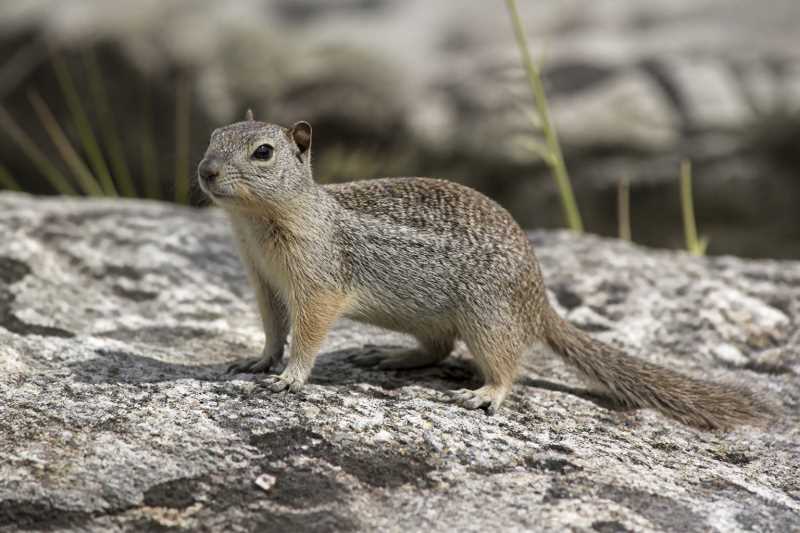
The Sierra Madre Ground Squirrel is a small to medium-sized rodent, typically measuring between 23 to 30 centimeters in length, including its bushy tail. Their overall appearance is similar to other ground squirrels, characterized by a robust body, short limbs, and sharp claws adapted for digging. Their fur is generally a blend of gray and brown, providing an effective camouflage against the rocky and wooded environments they inhabit. Distinctive features include a white eye-ring and a series of faint lateral stripes along their sides, which help in distinguishing them from other similar species.
Their dental structure is adapted for a diet consisting mainly of seeds and vegetation, with sharp incisors for gnawing and strong molars for grinding. The Sierra Madre Ground Squirrel exhibits sexual dimorphism, with males typically being slightly larger than females.
Range and Habitat
The Sierra Madre Ground Squirrel is endemic to the Sierra Madre Occidental mountain range in Mexico. This region stretches from the northwest to the southeast, covering several Mexican states including Chihuahua, Durango, and Zacatecas. Within these areas, the squirrels are found primarily in pine-oak forests, grasslands, and shrublands at elevations ranging from 1,500 to 3,000 meters.
Their habitat preference includes areas with abundant ground cover and loose soil, which are ideal for burrowing. These habitats not only provide the necessary resources for their diet but also offer protection from predators. Seasonal changes in the Sierra Madre Occidental influence their movement and behavior, as they may migrate short distances to access food resources or suitable shelter.
Behavior and Diet
Sierra Madre Ground Squirrels are diurnal, meaning they are most active during the day. Their daily activities revolve around foraging for food, social interactions, and maintaining their burrows. These squirrels are known for their complex social structures, often living in colonies that enhance their ability to detect and defend against predators.
Their diet is omnivorous but primarily plant-based, consisting of seeds, nuts, fruits, and green vegetation. Occasionally, they may consume insects and small vertebrates, especially when other food sources are scarce. Their role as seed dispersers is vital for the regeneration of their forest habitats.
During the colder months, Sierra Madre Ground Squirrels enter a state of hibernation, significantly reducing their metabolic rate and living off stored body fat. This period of dormancy can last several months, depending on environmental conditions.
Identification Tips
Identifying the Sierra Madre Ground Squirrel in the field requires attention to specific features:
- Coloration and Markings: Look for their distinctive gray-brown fur with a white eye-ring and faint lateral stripes.
- Size and Shape: Note their moderate size with a bushy tail and robust body structure typical of ground squirrels.
- Behavior: Observe their diurnal activity patterns and social behavior, often seen in groups.
- Vocalizations: Listen for their high-pitched alarm calls, used to warn colony members of potential threats.
These cues, combined with knowledge of their habitat preferences, can aid in accurate identification.
Conservation Status
The Sierra Madre Ground Squirrel is currently listed as Least Concern on the IUCN Red List. However, like many species, they face threats from habitat destruction and fragmentation, largely due to agricultural expansion and logging activities in the Sierra Madre Occidental. Climate change also poses a significant threat, altering their habitat and food availability.
Conservation efforts focus on habitat protection and restoration, promoting sustainable land-use practices, and conducting further research to monitor population trends and ecological needs. Protected areas within their range play a crucial role in conserving these squirrels and their habitats.
Frequently Asked Questions
1. What do Sierra Madre Ground Squirrels eat?
Sierra Madre Ground Squirrels primarily consume seeds, nuts, fruits, and green vegetation. Occasionally, they may eat insects and small vertebrates.
2. How do Sierra Madre Ground Squirrels contribute to their ecosystem?
These squirrels play a significant role in seed dispersal, aiding in forest regeneration. They also serve as prey for predators, thus contributing to the food chain.
3. Where can I find Sierra Madre Ground Squirrels in the wild?
They are endemic to the Sierra Madre Occidental mountain range in Mexico, mainly in pine-oak forests, grasslands, and shrublands at elevations between 1,500 and 3,000 meters.
4. Are Sierra Madre Ground Squirrels endangered?
Currently, they are listed as Least Concern, but they face threats from habitat destruction and climate change.
5. How can I help in the conservation of Sierra Madre Ground Squirrels?
Supporting conservation initiatives that focus on habitat protection and sustainable land use can significantly aid in their preservation.
Related posts