Introduction
The Peleng Island Xanthurus Rat, scientifically known as Rattus pelurus, is a unique mammal species endemic to Peleng Island, part of the Banggai Archipelago in Indonesia. This elusive rodent is an integral part of the island’s ecosystem, contributing to the biodiversity that makes this region so ecologically significant. Despite its critical role, the Peleng Island Xanthurus Rat remains relatively understudied, primarily due to its limited geographic range and the challenges posed by its habitat.
In recent years, conservationists and scientists have turned their attention to this particular species, as understanding its habits and habitat requirements is crucial for preserving the delicate balance of Peleng Island’s ecosystem. This article delves into the physical characteristics, habitat preferences, behavior, and conservation status of the Peleng Island Xanthurus Rat, providing a comprehensive overview for researchers, conservationists, and wildlife enthusiasts alike.
Physical Description
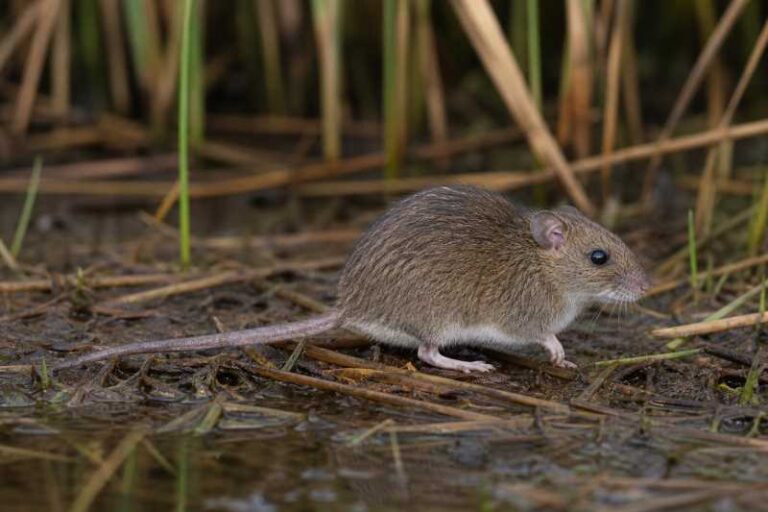
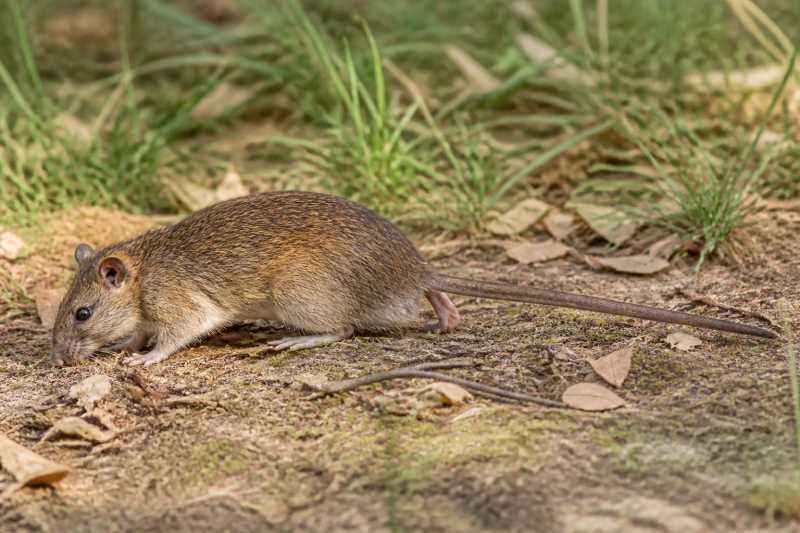
The Peleng Island Xanthurus Rat is a medium-sized rodent characterized by its distinctive features and adaptations to its environment. It typically measures between 25 to 30 centimeters in body length, with a tail that is almost equal to its body length, aiding in balance and agility.
Fur and Coloration: The fur of the Peleng Island Xanthurus Rat is dense and soft, providing insulation against the tropical climate of its habitat. It exhibits a grayish-brown coloration on its dorsal side, which aids in camouflage among the forest floor and foliage. The ventral side is usually lighter, ranging from off-white to pale gray.
Facial Features: This species has a pointed snout, large round ears, and prominent black eyes. These features are indicative of its nocturnal nature, allowing for enhanced sensory perception during nighttime activities.
Limbs and Feet: Adapted for climbing and foraging, the Peleng Island Xanthurus Rat possesses strong, dexterous limbs with sharp claws. This adaptation is particularly useful for navigating the complex arboreal environments of its habitat.
Range and Habitat
Geographic Distribution: As its name suggests, the Peleng Island Xanthurus Rat is exclusive to Peleng Island. This small island, part of the Banggai Archipelago, presents a unique ecological niche that supports a variety of endemic species.
Habitat Preferences: The rat predominantly inhabits lowland tropical forests, where it finds ample food sources and shelter. These forests are characterized by dense vegetation, a rich canopy, and a variety of microhabitats that support diverse wildlife.
Environmental Requirements: The Peleng Island Xanthurus Rat thrives in areas with high humidity and consistent temperature ranges. Its survival is closely tied to the health of the forest ecosystem, making habitat conservation a critical component of its continued existence.
Behavior and Diet
Nocturnal Activity: The Peleng Island Xanthurus Rat is primarily nocturnal, engaging in most of its foraging and social activities under the cover of darkness. This behavior reduces predation risks and competition for resources.
Dietary Habits: As an omnivore, this rat’s diet includes a wide range of food sources such as fruits, seeds, insects, and small invertebrates. Its feeding habits play a vital role in seed dispersal, contributing to forest regeneration.
Social Structure: While detailed studies are limited, observations suggest that the Peleng Island Xanthurus Rat may live in small family groups or exhibit solitary behavior during certain seasons, depending on resource availability.
Identification Tips
Recognizing the Peleng Island Xanthurus Rat in the field can be challenging due to its elusive nature. Here are some tips for identification:
- Size and Shape: Look for a medium-sized rodent with a long tail that matches its body length.
- Coloration: Note the grayish-brown dorsal fur and lighter ventral side, which help in camouflaging within its natural habitat.
- Behavior: Observe nocturnal activity patterns and arboreal movements, which are characteristic of this species.
- Habitat: Focus on areas within lowland tropical forests where these rats are most likely to be found.
Conservation Status
Current Status: The Peleng Island Xanthurus Rat is currently classified as "Data Deficient" by the IUCN Red List, indicating a need for more comprehensive data to accurately assess its population trends and threats.
Threats: The primary threats to this species include habitat destruction due to logging, agriculture expansion, and human encroachment. These activities lead to habitat fragmentation, which can severely impact the rat’s survival.
Protection Measures: Conservation efforts on Peleng Island focus on habitat preservation and environmental education. Local and international organizations are working to establish protected areas and promote sustainable land-use practices.
Frequently Asked Questions
1. What is the habitat of the Peleng Island Xanthurus Rat?
The Peleng Island Xanthurus Rat inhabits lowland tropical forests on Peleng Island. These forests provide the necessary resources such as food, shelter, and nesting sites that support its survival.
2. Why is the Peleng Island Xanthurus Rat important to the ecosystem?
As an omnivore, this rat plays a crucial role in seed dispersal, aiding in forest regeneration and maintaining ecological balance. Its activities contribute to the health and diversity of its forest habitat.
3. What are the threats to the Peleng Island Xanthurus Rat?
The main threats include habitat destruction from logging and agricultural expansion, which lead to habitat fragmentation. Conservation efforts are essential to mitigate these threats and preserve this species.
4. How can I identify a Peleng Island Xanthurus Rat?
Key identification features include its medium size, grayish-brown coloration, long tail, and nocturnal behavior. It is typically found in lowland tropical forests.
5. Is the Peleng Island Xanthurus Rat endangered?
Currently classified as "Data Deficient" by the IUCN, this rat’s conservation status is not fully understood. More research is needed to determine its population trends and develop effective conservation strategies.
Related posts