Nimba White-toothed Shrew (Crocidura nimbae): An In-depth Exploration
Introduction
The Nimba White-toothed Shrew, scientifically known as Crocidura nimbae, is a small mammal of significant interest to biologists and conservationists alike. This elusive species, belonging to the Soricidae family, is primarily found in the Nimba Range, which spans across Guinea, Liberia, and Côte d’Ivoire. Known for its distinctive white teeth, this shrew is a subject of fascination due to its restricted habitat and the conservation challenges it faces. In this article, we will explore the various aspects of the Nimba White-toothed Shrew, from its physical characteristics and behavior to its conservation status.
Physical Description
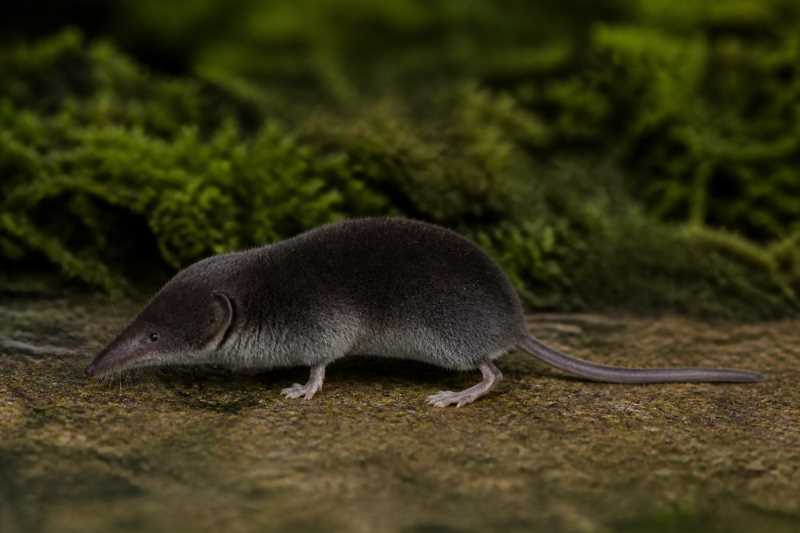
The Nimba White-toothed Shrew is a small mammal, typically measuring about 60-80 millimeters in length, excluding the tail. The tail itself adds an additional 40-50 millimeters, providing balance and aiding in its navigation through dense foliage. The fur of the Nimba White-toothed Shrew is generally grayish-brown on the dorsal side and lighter underneath, providing excellent camouflage against the forest floor.
One of the most distinguishing features of this species is its teeth. Unlike many other shrews, the teeth of Crocidura nimbae lack pigmentation, appearing white, which is a characteristic trait of the white-toothed shrews. This adaptation may play a role in reducing wear over the shrew’s relatively short lifespan, which is common among small mammals.
The shrew’s ears are small and rounded, often hidden within the fur, while its eyes are diminutive, reflecting its reliance on other senses such as smell and touch to navigate and hunt.
Range and Habitat
The Nimba White-toothed Shrew is endemic to the Mount Nimba Range, a unique and biodiverse area that straddles the borders of Guinea, Liberia, and Côte d’Ivoire in West Africa. This region is characterized by its rich montane forests, grasslands, and savannas, providing a variety of microhabitats for numerous species.
These shrews are primarily found in high-altitude grasslands and forested areas. The dense understory and leaf litter provide ample cover and foraging opportunities. The isolation of the Nimba Range contributes to the shrew’s limited distribution, making it particularly vulnerable to habitat disruption.
Behavior and Diet
The Nimba White-toothed Shrew is a solitary and nocturnal creature, with most of its activity occurring during the night. This nocturnal behavior helps it avoid many predators and reduces competition for food resources.
Its diet is insectivorous, consisting mainly of insects, spiders, and other small invertebrates. The shrew uses its acute sense of smell to locate prey, often foraging through leaf litter and soil. Its high metabolism necessitates a frequent intake of food, leading to a significant portion of its time being spent on foraging activities.
Identification Tips (Field Recognition Cues)
Identifying the Nimba White-toothed Shrew in the field requires careful observation of several key characteristics:
- Size and Shape: Look for a small, compact body with a relatively long tail.
- Fur Color: Note the grayish-brown color on the dorsal side and lighter underbelly.
- Teeth: The distinct white teeth are a hallmark feature, though this may require close examination.
- Habitat: Focus on areas with dense leaf litter in high-altitude forests or grasslands.
- Behavior: Observe nocturnal activity patterns and listen for rustling in the underbrush during nighttime.
Conservation Status (with Threats and Protections)
The Nimba White-toothed Shrew is currently listed as Near Threatened on the IUCN Red List. Several factors contribute to its precarious status:
- Habitat Loss: Mining activities, agriculture, and deforestation in the Nimba Range pose significant threats to its habitat.
- Limited Range: The species’ restricted distribution increases its vulnerability to localized environmental changes.
- Climate Change: Alterations in climate patterns may impact the delicate ecosystems of the Nimba Range.
Efforts to protect this species include establishing protected areas within the Mount Nimba Range and promoting sustainable land-use practices. Conservationists work closely with local communities and governments to mitigate the impacts of human activities on this critical habitat.
Frequently Asked Questions
What is the primary habitat of the Nimba White-toothed Shrew?
The Nimba White-toothed Shrew primarily inhabits high-altitude grasslands and forested regions in the Mount Nimba Range, which offers a unique and isolated environment rich in biodiversity.
How does the Nimba White-toothed Shrew find its food?
This shrew uses its keen sense of smell to forage for insects and other small invertebrates in the leaf litter and soil, relying on its nocturnal habits to avoid predators and competition.
What threats face the Nimba White-toothed Shrew?
Habitat loss due to mining, agriculture, and deforestation, along with the impacts of climate change, are the primary threats to the Nimba White-toothed Shrew’s survival.
How can the Nimba White-toothed Shrew be protected?
Conservation efforts include the establishment of protected areas, promoting sustainable land-use practices, and collaborating with local communities to minimize habitat destruction.
Is the Nimba White-toothed Shrew endangered?
While not currently classified as endangered, the Nimba White-toothed Shrew is listed as Near Threatened, indicating that it faces significant threats that could lead to its decline if not addressed.
Related posts