Introduction
The Tarbagan Marmot, scientifically known as Marmota sibirica, is a captivating species of marmot native to the vast steppes and mountainous regions of Central Asia. These burrowing rodents are an integral component of their ecosystem, playing significant roles in soil aeration and as prey for various predators. The Tarbagan Marmot is not only fascinating for its ecological contributions but also for its unique adaptations to the often harsh climates it inhabits. As a subject of scientific study and conservation efforts, understanding the Tarbagan Marmot’s life and challenges is crucial for maintaining the biodiversity of the regions they call home.
Physical Description
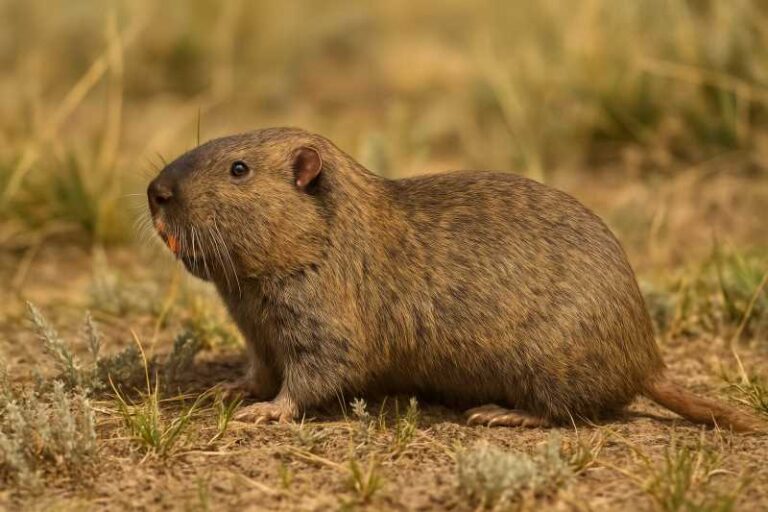
The Tarbagan Marmot is a robust and stocky rodent, characterized by its thick fur and stout body. Adults typically weigh between 4 to 8 kilograms, with body lengths ranging from 50 to 70 centimeters. Their dense fur is primarily a grayish-brown, providing excellent insulation against the cold. This coat often has a grizzled appearance due to the mix of light and dark hairs. The Tarbagan Marmot’s head is rounded with small, rounded ears and a short, broad muzzle. Their eyes are relatively large, providing keen vision, which is essential for detecting predators. The limbs of the Tarbagan Marmot are short but powerful, equipped with strong claws that are adept at digging complex burrow systems.
Range and Habitat
Tarbagan Marmots are distributed across several countries in Central Asia, including Mongolia, China, and Russia. They are predominantly found in the steppes, semi-deserts, and mountainous areas where the climate can range from extremely cold in winter to hot in summer. These marmots prefer open habitats with low vegetation, where they can dig extensive burrow systems without obstruction. Their burrows are crucial for their survival, offering protection from predators and harsh weather, as well as serving as a place for hibernation. The presence of Tarbagan Marmots is often an indicator of healthy steppe ecosystems, as they significantly contribute to soil turnover and aeration through their digging activities.
Behavior and Diet
Tarbagan Marmots are diurnal, meaning they are active during the day and retreat to their burrows at night. They are known for their social structure, often living in colonies that can range from a few individuals to several dozen. Communication among colony members is essential, with a variety of vocalizations used to convey warnings and social interactions. The Tarbagan Marmot’s diet is predominantly herbivorous, consisting mainly of grasses, herbs, and seeds. They have adapted to make the most of the short growing season in their range, accumulating fat reserves during the summer and early fall. These reserves are critical for their survival during the long winter hibernation, which can last for several months.
Identification Tips (Field Recognition Cues)
Recognizing the Tarbagan Marmot in the field involves several key identification features:
- Size and Shape: Look for a large, robust rodent with a stocky build and short limbs.
- Fur and Coloration: Note the grizzled grayish-brown fur, which serves as camouflage in their natural habitat.
- Vocalizations: Listen for the distinctive alarm calls, which are sharp, high-pitched whistles used to alert colony members of potential threats.
- Behavior: Observe foraging behavior during the day and social interactions within colonies.
- Burrows: Spotting the entrances to their extensive burrow systems can also be a clue to their presence.
Conservation Status (With Threats and Protections)
The conservation status of the Tarbagan Marmot is a concern due to several threats impacting their populations. The International Union for Conservation of Nature (IUCN) currently lists the Tarbagan Marmot as Endangered. The primary threats include habitat destruction, overhunting, and climate change. In some regions, they are hunted for their fur and meat, while habitat loss due to agriculture and urban development further pressures their numbers. Climate change also poses a threat by altering their habitat and food availability.
Conservation efforts are underway in various countries to protect the Tarbagan Marmot. These include legal protections, habitat restoration projects, and public awareness campaigns. In Mongolia, for instance, hunting regulations have been implemented to control the exploitation of marmots, while protected areas have been established to conserve vital habitats.
Frequently Asked Questions
1. What is the lifespan of a Tarbagan Marmot?
Tarbagan Marmots typically live for about 6 to 8 years in the wild. However, their lifespan can be influenced by predation, environmental conditions, and human activities.
2. How do Tarbagan Marmots survive the harsh winters?
Tarbagan Marmots survive the winter through hibernation. They enter a state of torpor in their burrows, where their metabolic rate decreases significantly, allowing them to conserve energy until spring.
3. Are Tarbagan Marmots social animals?
Yes, Tarbagan Marmots are social animals that live in colonies. These colonies are structured with complex social interactions and communication among members, which is vital for their survival.
4. What role do Tarbagan Marmots play in their ecosystem?
Tarbagan Marmots play a crucial role in their ecosystem by participating in soil aeration and serving as prey for predators. Their burrowing activities help maintain soil health, and their presence supports biodiversity.
5. How can we help conserve Tarbagan Marmots?
Conservation efforts can be supported through advocacy for habitat protection, reducing hunting pressures, and participating in or donating to organizations focused on wildlife conservation.
Related posts