Introduction
The Soft-furred Taiwan White-bellied Rat, scientifically known as Niviventer culturatus, is a captivating species of rodent endemic to Taiwan. This small mammal is a member of the Muridae family, which encompasses a diverse group of rodents found across the globe. Known for its soft fur and distinctive white belly, this rat plays a crucial role in its ecosystem, contributing to seed dispersal and serving as prey for various predators. In this comprehensive article, we will delve into the fascinating aspects of the Soft-furred Taiwan White-bellied Rat, exploring its physical characteristics, habitat, behavior, and more.
Physical Description
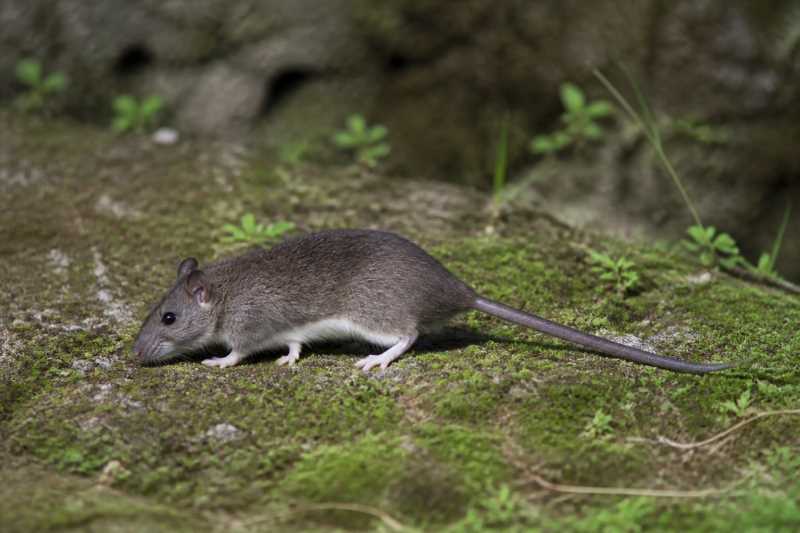
The Soft-furred Taiwan White-bellied Rat is a medium-sized rodent, typically measuring between 18 to 22 centimeters in body length, with a tail that often exceeds its body length, reaching up to 25 centimeters. As its name suggests, this species is characterized by its soft, dense fur, which provides it with essential insulation against the variable climate of its mountainous habitat. The dorsal fur is usually a grayish-brown, providing effective camouflage against the forest floor and fallen leaves.
The most distinguishing feature of this species is its pure white belly, which contrasts starkly with the darker tones of its back. This white ventral side is not only a visual identifier but may play a role in social signaling among conspecifics. The ears of the Soft-furred Taiwan White-bellied Rat are relatively large and rounded, enhancing its auditory capabilities, while its eyes are prominent, indicating a reliance on sight as well as sound.
Range and Habitat
Niviventer culturatus is endemic to Taiwan, meaning it is found nowhere else in the world. Its distribution is primarily concentrated in the central and northern regions of the island, where it inhabits montane and submontane forests. This rat is most commonly found at elevations ranging from 1,000 to 3,500 meters above sea level, favoring environments that provide ample cover and resources.
The preferred habitat of the Soft-furred Taiwan White-bellied Rat includes mixed hardwood forests, bamboo groves, and areas with dense underbrush. These environments offer a rich supply of food and numerous hiding spots to evade predators. The presence of streams and water sources within these habitats is also crucial, as it supports the broader ecosystem on which this species depends.
Behavior and Diet
The Soft-furred Taiwan White-bellied Rat is primarily nocturnal, spending the daylight hours hidden in burrows or among dense vegetation. At night, it emerges to forage for food, displaying remarkable agility and dexterity. This species is an omnivore, with a diet that includes seeds, fruits, insects, and occasionally small vertebrates.
Seed dispersal is a significant ecological role played by the Soft-furred Taiwan White-bellied Rat. By hoarding seeds in various locations, it inadvertently aids in the propagation of numerous plant species within its habitat. This behavior not only benefits the forest ecosystem but also ensures a reliable food supply for the rat itself.
Socially, this species tends to be solitary, although overlapping home ranges suggest some level of tolerance among individuals. Communication is likely facilitated through vocalizations and scent markings, which help establish territory boundaries and mating readiness.
Identification Tips
Identifying the Soft-furred Taiwan White-bellied Rat in the field requires careful observation of several key features:
- Fur Texture and Color: Look for the characteristic soft, grayish-brown dorsal fur and the sharply contrasting white belly.
- Size and Shape: Note the medium-sized body and long, slender tail, which is often longer than the body itself.
- Ears and Eyes: Large, rounded ears and prominent eyes are indicative of this species.
- Behavior: Observe nocturnal activity patterns and foraging behavior, typically around dusk and dawn.
Conservation Status
The Soft-furred Taiwan White-bellied Rat is currently classified as "Least Concern" on the IUCN Red List of Threatened Species. However, it faces several threats that could impact its population in the future.
Threats
- Habitat Loss: Deforestation and land-use changes for agriculture and urban development pose significant threats to the rat’s natural habitat.
- Climate Change: Alterations in climate patterns could affect the availability of resources and suitable habitat conditions.
- Predation: Natural predators, including birds of prey and carnivorous mammals, naturally regulate the population but could become a threat if habitat fragmentation increases.
Protections
Conservation efforts in Taiwan aim to protect natural habitats through the establishment of protected areas and the implementation of sustainable land-use practices. Public awareness campaigns also help highlight the importance of biodiversity and the role of species like the Soft-furred Taiwan White-bellied Rat.
Frequently Asked Questions
What is the habitat range of the Soft-furred Taiwan White-bellied Rat?
The Soft-furred Taiwan White-bellied Rat is endemic to Taiwan, primarily inhabiting montane and submontane forests in the central and northern regions of the island.
How can I identify a Soft-furred Taiwan White-bellied Rat in the wild?
Look for medium-sized rodents with soft, grayish-brown fur, a strikingly white belly, large ears, and a long tail. They are primarily nocturnal, so sightings are more common at night.
What does the Soft-furred Taiwan White-bellied Rat eat?
This rat is omnivorous, feeding on seeds, fruits, insects, and occasionally small vertebrates. It plays a crucial role in seed dispersal within its ecosystem.
Is the Soft-furred Taiwan White-bellied Rat endangered?
Currently, the Soft-furred Taiwan White-bellied Rat is classified as "Least Concern" by the IUCN, though it faces threats from habitat loss and climate change.
What role does the Soft-furred Taiwan White-bellied Rat play in its ecosystem?
The Soft-furred Taiwan White-bellied Rat is vital for seed dispersal, which helps maintain plant diversity and forest health. It also serves as prey for various predators, contributing to the food web.
Related posts