Introduction
The Little Big-eared Bat, scientifically named Micronycteris megalotis, is a fascinating species of bat that captures the interest of researchers and wildlife enthusiasts alike. Known for its distinctively large ears relative to its body size, this small bat is an integral part of the ecosystems it inhabits. With a wide distribution across Central and South America, the Little Big-eared Bat plays a significant role in insect population control and seed dispersal, making it an essential component of its ecological community.
Physical Description
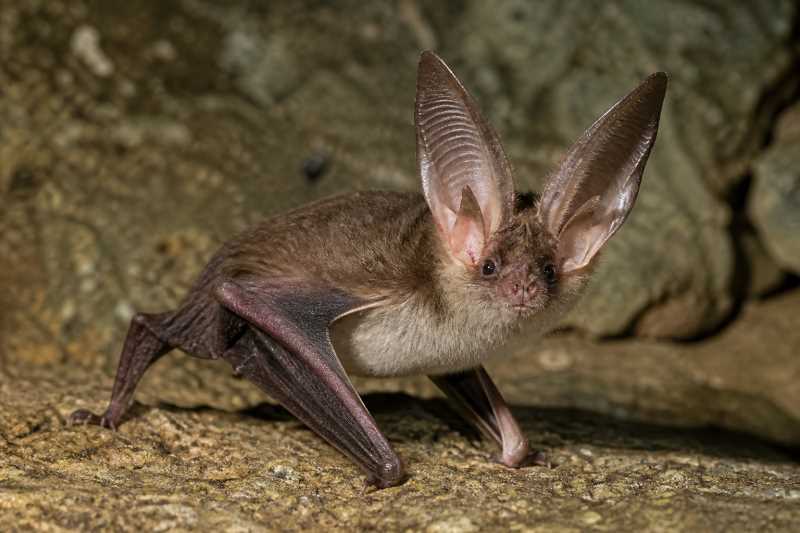
The Little Big-eared Bat is aptly named for its prominent ears, which are notably large compared to its overall body size. The average body length of this species ranges from 40 to 55 millimeters, while their wingspan can stretch up to 250 millimeters. Despite their large ears, these bats are relatively small, weighing between 5 to 10 grams.
Their fur is typically a shade of brown or gray, providing excellent camouflage against tree bark and other natural surroundings. The underside of the bat is usually lighter in color, ranging from white to light gray. Their wings are long and narrow, adapted for agile flight through dense vegetation.
A distinctive feature of the Little Big-eared Bat is its nose leaf, a small fleshy protrusion on the nose, which helps in echolocation. Their large ears are not just for show; they are highly sensitive and play a critical role in detecting prey and navigating through their environment.
Range and Habitat
The Little Big-eared Bat is primarily found in the tropical and subtropical regions of Central and South America. Their range extends from southern Mexico through Central America, down to parts of Brazil, Peru, and Bolivia in South America. They inhabit a variety of ecosystems, including rainforests, dry forests, and even areas of human habitation when natural habitats are scarce.
These bats prefer to roost in hollow trees, caves, and man-made structures such as abandoned buildings and mines. Their ability to adapt to different habitats is a testament to their resilience and ecological versatility. The availability of roosting sites and food sources heavily influences their distribution within these regions.
Behavior and Diet
The Little Big-eared Bat is primarily nocturnal, emerging at dusk to feed and returning to its roosting site before dawn. Their diet consists mainly of insects, which they catch in mid-flight using their acute echolocation abilities. They are known to consume a variety of insects, including moths, beetles, and mosquitoes, making them vital for pest control.
In addition to insects, these bats occasionally feed on small fruits and nectar, which contributes to seed dispersal and pollination. This dietary flexibility allows them to thrive in environments where food sources may vary seasonally.
Socially, the Little Big-eared Bat is a solitary creature, although it is not uncommon to find them roosting in small groups. During the breeding season, males and females come together, and females typically give birth to a single offspring after a gestation period of about three months.
Identification Tips (Field Recognition Cues)
Identifying the Little Big-eared Bat in the field involves looking for several key characteristics:
- Ear Size: Look for disproportionately large ears relative to the body size, which is one of the most distinguishing features.
- Fur Color: Observe the coloration, typically a brown or gray back with a lighter underside.
- Roosting Habits: Note their preference for roosting in hollow trees, caves, and abandoned structures.
- Flight Patterns: Watch for their agile and erratic flight patterns, which are indicative of their hunting style.
- Echolocation Sounds: Listen for their high-pitched echolocation calls, which are often beyond the range of human hearing but detectable with bat detectors.
Conservation Status (With Threats and Protections)
The Little Big-eared Bat is currently listed as Least Concern by the International Union for Conservation of Nature (IUCN). However, like many bat species, they face several threats that could impact their populations.
Threats:
- Habitat Destruction: Deforestation and land development reduce available roosting sites and food sources.
- Pesticide Use: The use of chemical pesticides can reduce insect populations, leading to food scarcity.
- Climate Change: Alterations in climate patterns can affect the availability of suitable habitats and food resources.
Protections:
- Protected Areas: Many regions within their range are designated as protected areas, providing some refuge from habitat destruction.
- Conservation Programs: Initiatives aimed at preserving bat habitats and promoting bat-friendly practices in agriculture and forestry.
- Public Education: Raising awareness about the ecological importance of bats and the need for their conservation.
Frequently Asked Questions
1. What is the primary diet of the Little Big-eared Bat?
The Little Big-eared Bat primarily feeds on insects, including moths, beetles, and mosquitoes. They also consume small fruits and nectar, aiding in seed dispersal and pollination.
2. How does the Little Big-eared Bat use its large ears?
The large ears of the Little Big-eared Bat are crucial for echolocation, allowing them to detect prey and navigate through their environment with precision.
3. Where can you commonly find Little Big-eared Bats?
These bats are commonly found in tropical and subtropical regions of Central and South America, roosting in hollow trees, caves, and occasionally abandoned man-made structures.
4. Are Little Big-eared Bats endangered?
Currently, the Little Big-eared Bat is classified as Least Concern, but they face threats from habitat destruction, pesticide use, and climate change.
5. How do Little Big-eared Bats contribute to their ecosystem?
They play a vital role in controlling insect populations, dispersing seeds, and pollinating plants, contributing to the health and balance of their ecosystems.
Related posts