Introduction
The Bornean Horseshoe Bat, scientifically known as Rhinolophus borneensis, is a unique species of bat endemic to the island of Borneo. This bat is part of the Rhinolophidae family, commonly referred to as horseshoe bats due to the distinctive horseshoe-shaped structure on their noses. Known for their importance in maintaining ecosystems, these bats play a crucial role in pest control and pollination. This article delves into the physical characteristics, habitat, behavior, and conservation status of the Bornean Horseshoe Bat, providing a comprehensive understanding of this fascinating mammal.
Physical Description
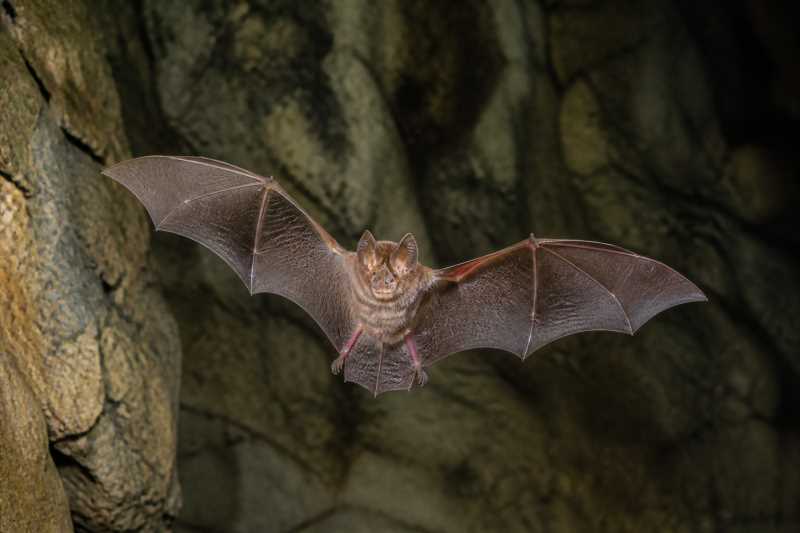
The Bornean Horseshoe Bat is a small to medium-sized bat, with a wingspan ranging from 30 to 35 centimeters. These bats are characterized by their unique facial structures, specifically the noseleaf, which is shaped like a horseshoe. This anatomical feature is believed to aid in echolocation, a vital function for navigation and hunting in the dark. The fur of the Bornean Horseshoe Bat is typically dark brown or grey, providing camouflage in their natural habitat.
Their ears are large and rounded, devoid of tragus, which is common in other bat families. The wings are long and narrow, adapted for agile flight through dense forest canopies. The tail is short, encased in the interfemoral membrane, which aids in maneuverability during flight.
Range and Habitat
As its name suggests, the Bornean Horseshoe Bat is native to the island of Borneo, which is shared by Malaysia, Indonesia, and Brunei. These bats inhabit a range of environments, from lowland rainforests to montane forests. They are often found roosting in caves, rock crevices, and occasionally in man-made structures.
Borneo’s rich biodiversity and complex forest ecosystems provide an ideal habitat for these bats. However, their distribution is largely influenced by the availability of suitable roosting sites and foraging areas. The dense vegetation and complex canopy structures of these forests support a rich insect population, which is vital for the bat’s diet.
Behavior and Diet
Bornean Horseshoe Bats are nocturnal creatures, primarily active during the night when they emerge from their roosts to forage. They utilize echolocation to navigate and hunt for insects, their primary food source. Their diet mainly consists of moths, beetles, and other flying insects, which they catch in flight using their agile maneuvering skills.
These bats are known to roost in colonies, which can range from a few individuals to several hundred. Roosting in groups helps in thermoregulation and provides some protection against predators. During the day, they rest in secluded and dark areas, conserving energy for their nightly foraging activities.
Identification Tips (Field Recognition Cues)
Identifying the Bornean Horseshoe Bat in the field requires attention to several key characteristics:
- Noseleaf Structure: The distinctive horseshoe-shaped noseleaf is a definitive feature that aids in identification.
- Fur Color: Look for dark brown or grey fur, which blends into the forest environment.
- Ear Shape: Large, rounded ears without a tragus are indicative of the species.
- Flight Pattern: Their agile and swift flight, often close to the forest canopy, can help in identification.
Conservation Status (with Threats and Protections)
The Bornean Horseshoe Bat is currently classified as Near Threatened by the International Union for Conservation of Nature (IUCN). This status is primarily due to habitat loss and fragmentation caused by deforestation, agriculture, and urban development. Borneo’s forests are rapidly declining due to logging and palm oil plantations, severely impacting the bat’s natural habitat.
Conservation efforts are crucial to protect the remaining populations. These include habitat preservation and restoration, legal protection of critical habitats, and public awareness campaigns to highlight the importance of bats in ecosystems. Protected areas and national parks within Borneo serve as important refuges for these bats, but more comprehensive measures are needed to ensure their long-term survival.
Frequently Asked Questions
What is the diet of the Bornean Horseshoe Bat?
The Bornean Horseshoe Bat primarily feeds on insects, including moths and beetles, which they catch using echolocation during their nightly foraging.
How do Bornean Horseshoe Bats contribute to the ecosystem?
These bats play a vital role in controlling insect populations and pollinating plants, contributing to the health and balance of their forest ecosystems.
What are the main threats to the Bornean Horseshoe Bat?
The primary threats include habitat loss due to deforestation, agriculture, and urban expansion, leading to a decline in suitable roosting and foraging areas.
How can we help conserve the Bornean Horseshoe Bat?
Conserving this species involves protecting and restoring habitats, enforcing legal protections, and raising awareness about the ecological importance of bats.
Where can the Bornean Horseshoe Bat be found?
This species is endemic to Borneo, inhabiting lowland and montane forests, often roosting in caves and rock crevices.
Related posts