Introduction
The Aba Horseshoe Bat, scientifically known as Rhinolophus axillaris, is a fascinating species within the horseshoe bat family. Renowned for its distinctive noseleaf that aids in echolocation, this bat species plays an essential role in maintaining ecological balance. Native to specific regions in Africa, the Aba Horseshoe Bat is of significant interest to researchers and conservationists alike due to its unique adaptations and the threats it faces in its natural habitat.
Bats, in general, are often misunderstood creatures, yet they contribute immensely to the ecosystem, primarily through pest control and pollination. The Aba Horseshoe Bat is no exception, offering numerous ecological benefits. This article delves into the physical characteristics, habitat preferences, behavioral patterns, and conservation efforts pertinent to the Aba Horseshoe Bat.
Physical Description
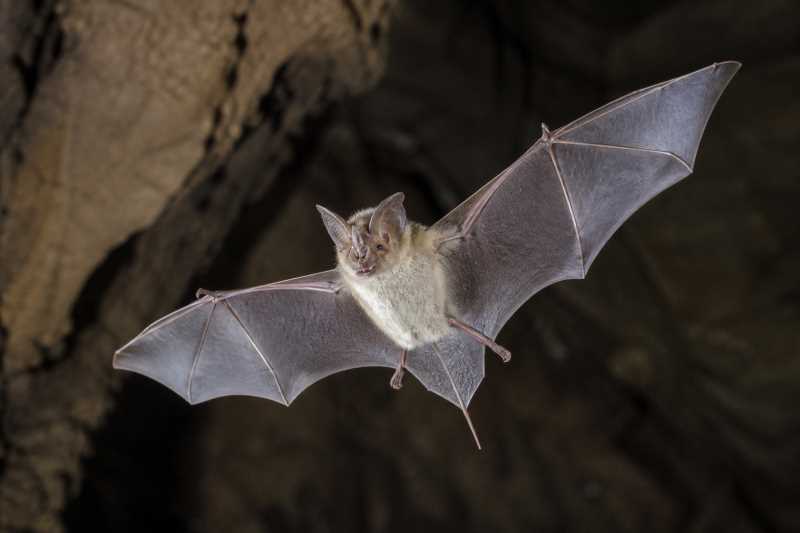
The Aba Horseshoe Bat is a medium-sized bat, with distinctive physical features characteristic of the Rhinolophidae family. Most notable is its noseleaf, shaped like a horseshoe, which serves an essential function in echolocation. This nose structure allows the bat to emit sound waves that help it navigate and hunt within its environment.
Typically, the Aba Horseshoe Bat has a fur coloration that ranges from brown to grey, often with a slight tinge of reddish hues. This fur serves as camouflage, blending well with the surroundings of its natural habitat. The wings of the bat are broad, allowing agile flight, and are adapted for maneuvering through dense vegetation.
Adult Aba Horseshoe Bats generally weigh between 9 to 12 grams, with a wingspan that can range from 30 to 40 centimeters. These dimensions make them well-suited for their insectivore diet, as they can swiftly capture prey mid-flight.
Range and Habitat
The natural range of the Aba Horseshoe Bat is primarily confined to the forested regions of West and Central Africa. Countries such as Nigeria and Cameroon are known to host populations of this bat species. These regions provide the dense foliage and diverse insect population that the Aba Horseshoe Bat depends on for survival.
Their preferred habitats are tropical and subtropical forests, where they roost in caves, hollow trees, and occasionally in human-made structures. The choice of roosting sites is crucial for their survival, providing shelter from predators and harsh weather conditions. These habitats also facilitate their echolocation abilities, as the dense vegetation offers abundant surfaces for sound reflection.
Behavior and Diet
The Aba Horseshoe Bat is primarily nocturnal, spending the daylight hours roosting and becoming active at dusk. Their activity patterns are closely tied to their feeding habits, as they are insectivorous. Their diet mainly consists of moths, beetles, and other flying insects, which they expertly catch in flight using echolocation.
Echolocation is a vital aspect of their hunting strategy. By emitting high-frequency sound waves through their noseleaf, they can detect and locate prey with remarkable precision. This adaptation not only aids in hunting but also in navigation through their complex habitats.
Socially, the Aba Horseshoe Bat is known to form small colonies, which can aid in thermoregulation and protection against predators. However, these colonies are not particularly large, often comprising only a few dozen individuals.
Identification Tips (Field Recognition Cues)
Identifying the Aba Horseshoe Bat in the field can be challenging due to its nocturnal nature and the dense habitats it occupies. However, there are several cues that can assist in its identification:
- Noseleaf Structure: The distinctive horseshoe-shaped noseleaf is a primary identification marker.
- Flight Patterns: Observing their flight can help; they exhibit agile and swift maneuvering, often seen darting after insects.
- Roosting Sites: Look for them in caves or hollow trees during the day, where they can often be found hanging upside down in small groups.
- Echolocation Calls: With specialized equipment, their echolocation calls can be detected, which are unique to their species.
Conservation Status (With Threats and Protections)
The conservation status of the Aba Horseshoe Bat is currently listed as "Least Concern" by the International Union for Conservation of Nature (IUCN). However, this status does not mean the species is free from threats. Habitat loss due to deforestation and human encroachment remains a significant concern.
As forests are cleared for agriculture and urban development, the natural habitats of these bats are dwindling. This habitat destruction not only reduces their roosting sites but also their food sources. Additionally, the use of pesticides in agriculture can poison insects, indirectly affecting the bat populations that rely on them for sustenance.
Conservation efforts are focused on habitat preservation and public education. Protecting forested areas and implementing sustainable farming practices are crucial measures. Moreover, raising awareness about the ecological benefits of bats can help shift public perception and encourage conservation initiatives.
Frequently Asked Questions
What makes the Aba Horseshoe Bat unique?
The Aba Horseshoe Bat stands out due to its specialized echolocation abilities facilitated by its distinctive noseleaf. This adaptation not only aids in efficient hunting but also in navigating the dense forests it inhabits.
How does the Aba Horseshoe Bat contribute to the ecosystem?
As an insectivore, the Aba Horseshoe Bat plays a critical role in controlling insect populations, which can benefit agriculture by reducing the need for pesticides. Additionally, they contribute to nutrient cycling through their guano.
What are the main threats to the Aba Horseshoe Bat?
The primary threats include habitat loss due to deforestation and human encroachment, as well as indirect poisoning from pesticides used in agriculture. Conservation efforts aim to mitigate these threats through habitat preservation and sustainable practices.
How can we support the conservation of Aba Horseshoe Bats?
Supporting conservation efforts can involve advocating for protected areas, participating in citizen science projects, and spreading awareness about the ecological importance of bats. Reducing pesticide use and promoting sustainable agriculture can also help.
Are there any specific conservation programs for the Aba Horseshoe Bat?
While there are no large-scale programs specifically targeting the Aba Horseshoe Bat, many broader initiatives that focus on bat conservation and habitat preservation indirectly support this species. Collaboration with local communities and governments is essential for these efforts.
Related posts