Western Pebble Mouse (Pseudomys chapmani)
Introduction
The Western Pebble Mouse, scientifically known as Pseudomys chapmani, is a fascinating small mammal native to Australia. Known for its unique habit of building pebble mounds, this species plays a crucial role in the ecosystem. Despite its diminutive size, the Western Pebble Mouse is a subject of interest for researchers and wildlife enthusiasts alike due to its distinctive behaviors and adaptation strategies.
Physical Description
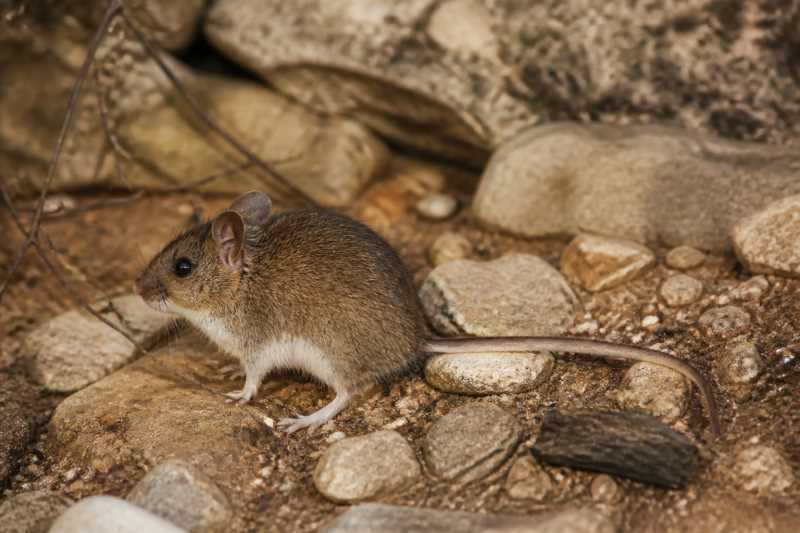
The Western Pebble Mouse is a small rodent, with an average body length of 70-90 mm and a tail length of about 80-95 mm. It typically weighs between 10-20 grams. Its fur is a soft, sandy brown on the dorsal side, which provides excellent camouflage against the arid landscape. The underbelly is usually a lighter, creamy color. The ears are moderately large, and the eyes are prominent, aiding in their nocturnal lifestyle.
Range and Habitat
Endemic to Australia, the Western Pebble Mouse is predominantly found in the arid and semi-arid regions of Western Australia. It prefers habitats with loose sandy soils where it can easily construct its characteristic pebble mounds. These environments include grasslands, shrublands, and sometimes open woodlands. The distribution of the Western Pebble Mouse is limited to areas with a suitable supply of pebbles, which are essential for their mound-building activities.
Behavior and Diet
The Western Pebble Mouse is primarily nocturnal, venturing out at night to forage for food. Its diet mainly consists of seeds, berries, and insects, which provide the necessary nutrients for survival in its arid habitat. The species is known for its unique behavior of constructing pebble mounds around its burrows. These mounds, often up to one meter in diameter, are thought to serve several purposes, including thermoregulation, protection from predators, and possibly as a social signaling mechanism.
Socially, these mice are relatively solitary but may share mounds with a small group during breeding seasons. Breeding typically occurs in the cooler months, with females giving birth to litters of up to four young.
Identification Tips
When trying to identify the Western Pebble Mouse in the field, look for their distinctive pebble mounds. These mounds can be a clear indication of their presence in the area. Additionally, their small size and sandy-brown coloration can help differentiate them from other small mammals. Their nocturnal nature means they are more likely to be observed at dusk or during nighttime.
Conservation Status
As of the last assessment, the Western Pebble Mouse is classified as Least Concern by the IUCN Red List. However, like many native Australian species, it faces several threats including habitat destruction due to mining and agriculture, predation by introduced species such as cats and foxes, and the impacts of climate change. Conservation efforts are focused on habitat preservation and controlling invasive species populations to ensure the survival of this unique rodent.
Frequently Asked Questions
1. What makes the Western Pebble Mouse unique among rodents?
The Western Pebble Mouse is unique due to its behavior of constructing pebble mounds around its burrows, a trait not commonly observed in other rodent species. These mounds are thought to serve various ecological functions such as protection from predators and environmental elements.
2. Where can I find Western Pebble Mice in the wild?
Western Pebble Mice are primarily found in the arid and semi-arid regions of Western Australia. They inhabit areas with sandy soils and an abundance of pebbles, which are critical for their mound-building behavior.
3. What is the diet of a Western Pebble Mouse?
The diet of the Western Pebble Mouse consists mainly of seeds, berries, and insects. These food sources provide the necessary nutrients to sustain them in their arid environment.
4. How do Western Pebble Mice protect themselves from predators?
Western Pebble Mice use their pebble mounds as a form of protection. The mounds help conceal their burrow entrances and may also serve as a deterrent to predators due to the difficulty of accessing the burrow.
5. Are Western Pebble Mice endangered?
Currently, the Western Pebble Mouse is listed as Least Concern on the IUCN Red List. However, they face threats from habitat destruction, predation by invasive species, and climate change, necessitating ongoing conservation efforts.
Related posts